



Yogyakarta Kauman Great Mosque Preserves Oblok-Oblok Tradition for Eid
- 20 Mar 2026 19:25 WIB
- Voice of Indonesia
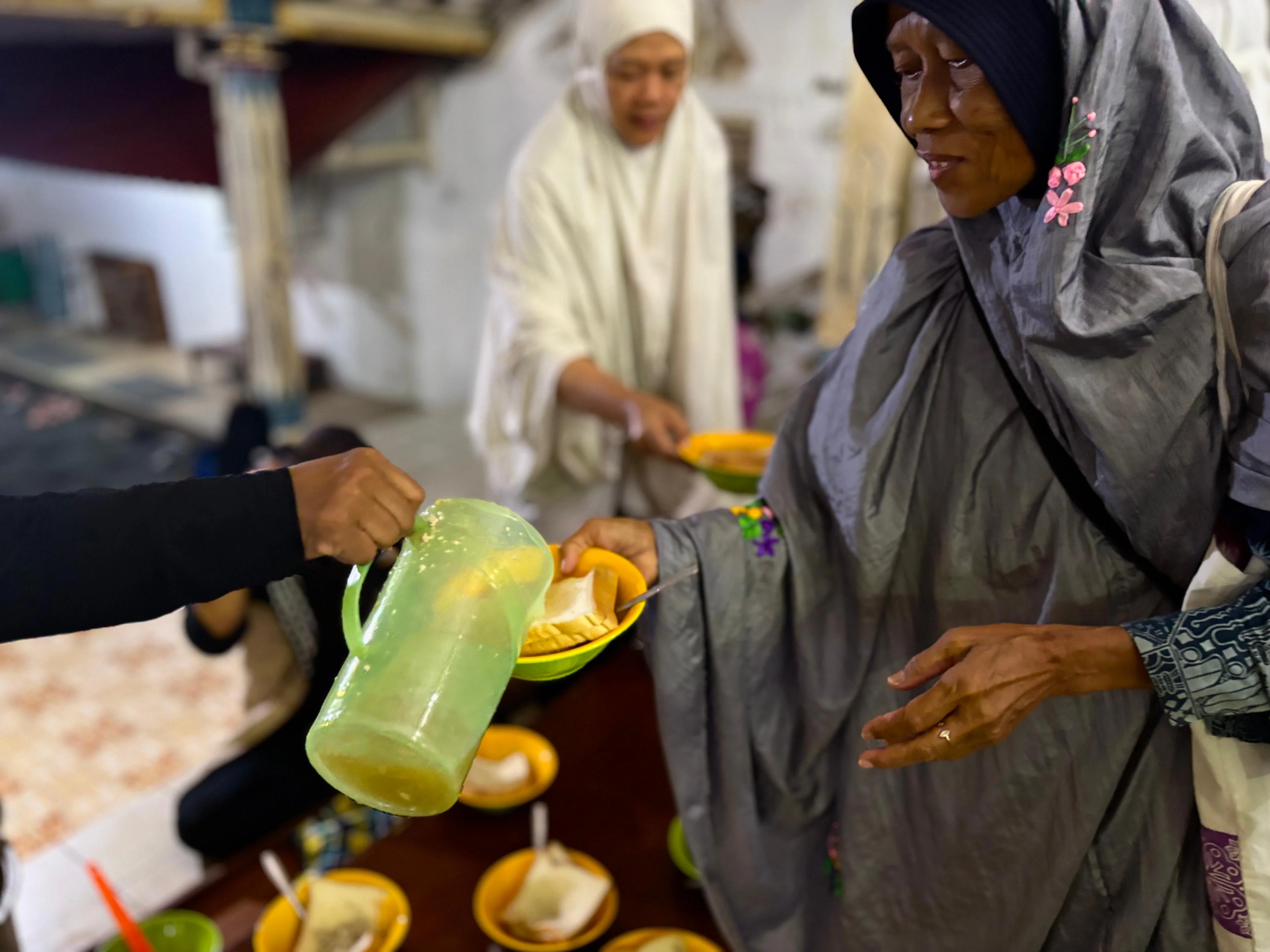
RRI.CO.ID, Yogyakarta - In Yogyakarta, the arrival of Eid al-Fitr is marked not only by prayer and forgiveness but also by a unique culinary tradition that has endured for decades. Known as Oblok-oblok 1 Shawwal, this ritual takes place at Masjid Gedhe Kauman (Kauman Great Mosque), where congregations gather after the dawn prayer to share a warm, sweet dish unlike any other.
The menu is simple yet distinctive: two slices of white bread soaked in a coconut milk-based broth, lightly spiced and enriched with egg. The flavor resembles kolak , a popular Indonesian dessert, but oblok oblok served without the banana or other fillings. Served steaming hot, the dish signals the end of Ramadan and the beginning of Shawwal, while also fostering bonds of community through shared meals and greetings of forgiveness.
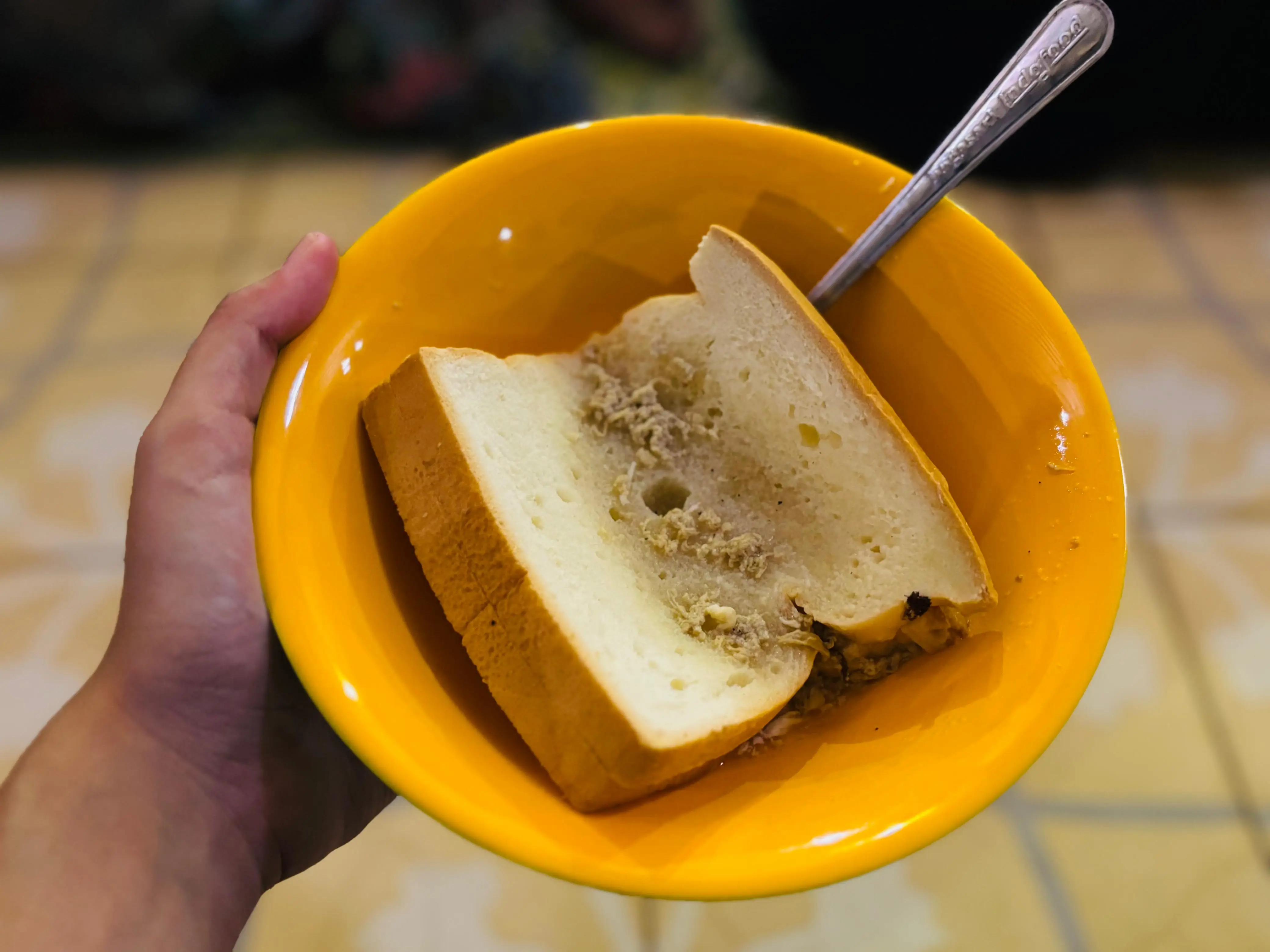
Unlike the vegetable-based oblok-oblok found elsewhere, this version is exclusive to Kauman Village and has been prepared for generations. Portions vary each year depending on attendance. “Last year we served 600 portions, but this year it’s 400. The cooking is done by local residents, divided into sections for men and women" explained Maulana Muhammad Abrar, or Maulana as he is affectionately called, the caretaker of Masjid Gedhe Kauman, on Friday, March 20, 2026.
The dish is offered after the Eid dawn prayer instead, symbolizing the start of Shawwal when fasting is no longer permitted. “So after Subuh prayer, congregations immediately eat oblok-oblok to break the fast,” Maulana added.
The tradition, once limited to Kauman residents, now draws visitors from outside the neighborhood, including travelers returning home for Eid. Many who have tasted it once make a point of coming back year after year. For locals, it is more than food, it is a cherished marker of identity and belonging.
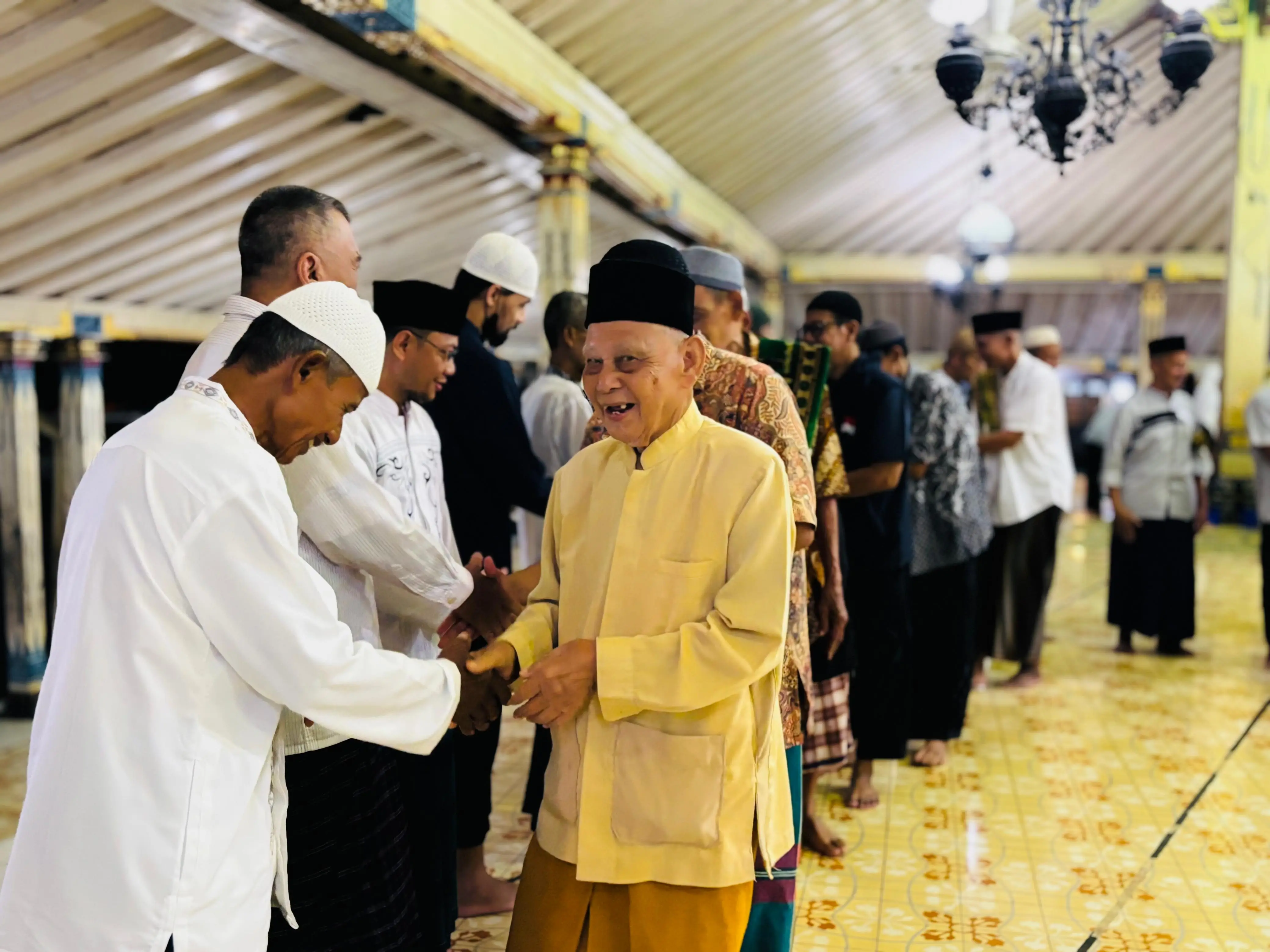
Wiwied, a Kauman native who grew up with the tradition, described its personal significance. “Even though I no longer live in Kauman, during Ramadan I always make time to pray Subuh at Masjid Gedhe Kauman. The oblok-oblok is what I look forward to most. It’s not just about the dish, it’s about reconnecting with childhood friends and neighbors. I rarely find oblok-oblok like this outside Kauman. The bread version is unique here, and I remember it being served since the 1970s," she shared.
Beyond its flavor, the tradition embodies ukhuwah islamiyah -- the spirit of Islamic brotherhood -- by strengthening ties among congregations and fostering social harmony. For Kauman’s residents, oblok-oblok is more than food, it is a living tradition that ensures every Eid begins with warmth, both in the bowl and in the heart. ***
News Recomendation
Loading latest news.....