



Ketupat, an Eid Dish Rich in Philosophy and History
- 16 Mar 2026 12:46 WIB
- Voice of Indonesia
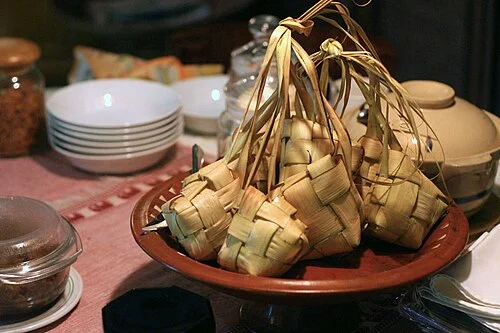
RRI.CO.ID, Jakarta – Eid celebrations in Indonesia feel incomplete without ketupat. This rice-based dish, wrapped in woven young coconut leaves (janur), is almost always served alongside traditional Eid meals such as Opor Ayam, Sambal Goreng Ati, and Rendang, all known for their rich flavors.
Behind its simple appearance, ketupat carries deep philosophical meaning and a long history that has lived within Indonesian society for centuries. In the book Tradisi Islam di Nusantara (2019) by Ma’sumatun Ni’mah, it stated that the word “ketupat” or “kupat” in Javanese symbolizes the phrase ngaku lepat, which means “to admit one’s mistakes.” This philosophy is closely related to the tradition of asking for and granting forgiveness during Eid al-Fitr.
In other words, eating ketupat during Eid is not merely about enjoying a festive dish. It also symbolizes the willingness to acknowledge mistakes and open the door to forgiveness with others.
This symbolism is also reflected in the wrapper. The woven yellow coconut leaves used to wrap ketupat are believed to derive from the phrase sejatine nur, meaning “the true light.” In Javanese culture, this represents a person returning to a pure and clean state after completing a month of fasting during Ramadan.
The square shape of ketupat also carries philosophical significance. In Javanese belief, it reflects the concept of kiblat papat lima pancer, a principle that suggests wherever humans go, they will ultimately return to the Creator.
The intricate weaving of the ketupat casing is also meaningful, symbolizing the many mistakes and complexities of human life. When the ketupat is cut open, the white rice inside represents the purity of the heart after seeking forgiveness from God.
Meanwhile, the rice inside the ketupat is often interpreted as a symbol of prosperity and hope for a better life after the celebration of Eid.
The history of ketupat is also closely linked to the Islamic preacher Sunan Kalijaga. Around the 15th to 16th centuries, this member of the Wali Songo used ketupat as a medium of preaching along the northern coast of Java.
Through this cultural approach, Sunan Kalijaga blended local traditions with Islamic values, making the teachings of Islam easier to accept among communities that were still strongly influenced by Hindu culture at the time. The use of coconut leaves was also practical, as coconut trees were abundant in coastal areas, making ketupat closely connected to the daily lives of local residents.
It is therefore no surprise that ketupat remains an essential part of Eid traditions in Indonesia today. More than just a side dish, ketupat symbolizes a spiritual journey toward purity, forgiveness, and renewal.
News Recomendation
Loading latest news.....