



Sasi, Local Tradition Strengthens Fishery Welfare in Ambon
- 10 Mar 2026 09:20 WIB
- Voice of Indonesia
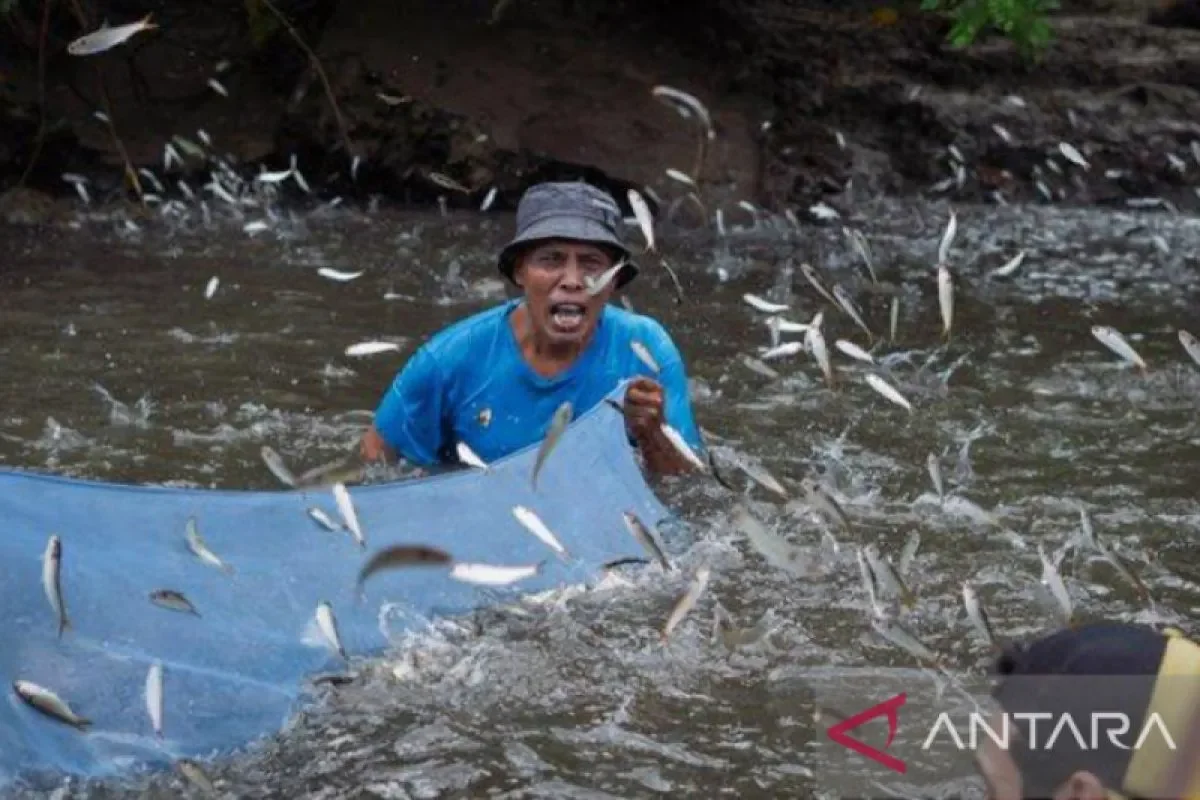
RRI.CO.ID, Yogyakarta - A collaborative study by the National Research and Innovation Agency (BRIN) and Sunan Kalijaga State Islamic University Yogyakarta has revealed that ancestral traditions in Negeri Morella, Ambon, are more than just cultural relics, they are essential engines for the social and economic survival of coastal communities.
The research, published on Thursday, March 5, 2026, highlights how indigenous practices provide a robust safety net for fishermen facing the sea's unpredictability. The study, led by Muh Isnanto and Dandung Budi Yuwono, emphasizes that integrating local identity into community governance creates a "community resilience" model that formal state policies often struggle to replicate.
At the heart of Morella’s stability is a sophisticated traditional leadership structure including the Raja (King), Saniri Negeri (Traditional Council), and other customary officials. Together with the community, they manage natural resources through a system known as Sasi.
Sasi acts as a mechanical regulator for environmental protection, temporarily prohibiting the harvesting of specific land or marine resources to prevent overexploitation. These rules are not imposed from above but are agreed upon through generational customary deliberations and enforced collectively, ensuring that the ecosystem remains productive for future seasons.
The BRIN research identified several unique economic mechanisms that ensure no member of the community is left behind during lean times, starting with the Rureha System, a voluntary profit-sharing mechanism where fishermen set aside a portion of their catch to be distributed to those in need via the mosque and traditional leaders. Complementing this is the Sesaji (collective donation), a system of mutual aid coordinated by the Marinyo (traditional officer) to gather funds or goods for underprivileged residents.
Additionally, the community utilizes a Hybrid Survival Strategy to combat "East Monsoon" periods or extreme weather, where Morella fishermen employ a dual-work pattern by seamlessly transitioning into farming or gardening as a hedge against the volatility of daily catches.
“Tradition is not just a cultural heritage, but a strategic foundation in building sustainable social welfare in Indonesia's coastal areas,” explained Dandung Budi Yuwono, as quoted by BRIN's official website.
The motivation behind this research stems from the current lack of indigenous integration within formal government welfare schemes. Fishermen remain a highly vulnerable group due to weather dependency and limited access to official social security.
The study suggests that a "hybrid" model, combining formal state policy with the proven efficacy of local values, could create a more inclusive and sustainable welfare system. By recognizing Sasi and Rureha as legitimate administrative tools, the state can better support the "community-based welfare" that has kept Negeri Morella resilient for centuries. ***
News Recomendation
Loading latest news.....