



Tari Kretek: Kudus Dance Honoring Indonesia’s Cigarette Workers
- 06 Mar 2026 09:51 WIB
- Voice of Indonesia
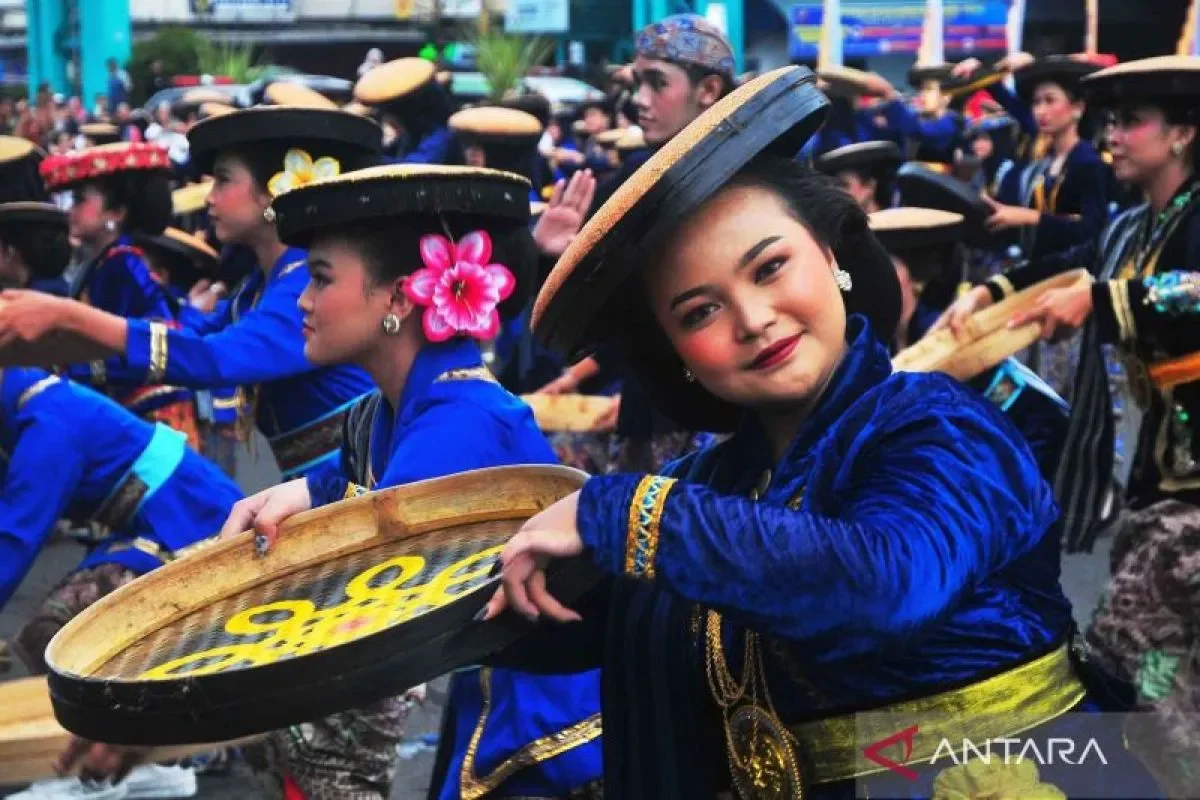
RRI.CO.ID, Jakarta - The Tari Kretek from Kudus, Central Java, offers a unique window into the region's industrial heartbeat. This dance serves as a living portrayal of the daily lives of laborers in the clove cigarette (kretek) industry, an economic pillar for the city known for the tomb of Sunan Kudus.
On Thursday, March 5, 2026, cultural spotlights emphasized how this performance art transforms the repetitive motions of factory work into a graceful, rhythmic narrative of tobacco selection, production, and marketing.
Historically, the dance was known among locals as Tari Mbatil, named after the specific task of trimming cigarette ends. However, to increase its popular appeal and better represent the industry as a whole, the name was changed to Tari Kretek.
The dance was created in 1985 by local artist Endang Tonny and has since become a staple of regional cultural events, symbolizing the identity of Kudus as Indonesia's "Cigarette City."
Tari Kretek is typically performed by a group of female dancers accompanied by a single male dancer, with the choreography serving as a direct reflection of historical factory roles. The female dancers perform movements that mimic the precision of mbatil, the task of trimming and tidying the ends of hand-rolled cigarettes, as well as the careful sorting of tobacco leaves.
In contrast, the male dancer portrays the role of the mandor, or foreman, utilizing movements that represent the authoritative supervision of laborers on the factory floor.
The dancers’ costumes are rich in local symbolism. Women wear traditional Kudus clothing paired with a caping (conical hat) and a tampah (bamboo winnowing tray), while the male dancer wears a blangkon (Javanese headdress).
The performance is characterized by agile and energetic movements, synchronized with the lively tempo of a live gamelan ensemble. This high-energy choreography is intended to reflect the diligence, speed, and spirit of the workers who sustain the national kretek industry.
Today, Tari Kretek is more than just a performance; it is a tribute to the human hands behind one of Indonesia’s most significant economic sectors, ensuring that the labor of the past and present remains a celebrated part of Central Javanese culture. (Naura Sofia/Bambang MBKA)
News Recomendation
Loading latest news.....