



Exploring the Energetic Legacy of Balinese Gamelan
- 06 Mar 2026 09:29 WIB
- Voice of Indonesia
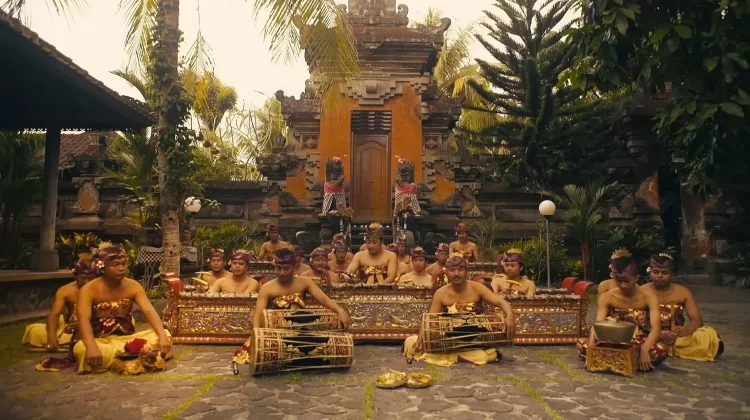
RRI.CO.ID, Jakarta - More than just a traditional musical ensemble, Balinese Gamelan stands as a profound cultural identity for the people of Bali. Known for its powerful rhythmic drive and energetic dynamics, this percussion-based ensemble is a cornerstone of the island’s spiritual and social life.
The ensemble, primarily composed of metal instruments, is played in groups where synchronization is paramount to creating its signature "shimmering" sound.
Gamelan in Bali transcends the role of mere entertainment, it is a vital component of Hindu religious ceremonies and traditional rituals. Whether echoing through the stone courtyards of a temple (pura) or accompanying an ancestral rite, the music serves as a bridge between the physical and spiritual worlds.
Furthermore, gamelan provides the essential rhythmic spine for Bali’s world-renowned traditional dances. Icons like the Tari Baris (warrior dance) and Tari Rejang (sacred processional dance) rely on the ensemble to dictate their sharp, expressive movements.
A Balinese Gamelan set is organized into a complex hierarchy of instruments, where each piece serves a specific functional role within the ensemble. The Gong Ageng, or "Great Gong," acts as a vital punctuation mark that signals the completion of a musical cycle.
Leading the group, the Kendang are double-headed drums that function as the conductor, controlling the tempo and guiding the overall dynamics of the performance. The Gangsa are metal-keyed instruments responsible for producing the primary melody with a distinctive, vibrating resonance.
Finally, instruments such as the Reyong and Terompong consist of rows of small gongs that create the fast-paced, interlocking rhythmic patterns and complex melodic lines characteristic of Balinese music.
One of the most celebrated forms is the Gong Kebyar, which emerged in Northern Bali in the early 20th century. "Kebyar" translates roughly to "flaring up," reflecting its sudden changes in dynamics and explosive, lightning-fast tempos.
This style utilizes a specialized technique known as kotekan, an interlocking rhythmic pattern where multiple players weave their notes together to create a singular, complex harmony.
Today, Balinese Gamelan remains a living tradition, meticulously preserved by local communities and showcased in global cultural festivals. It stands not only as a symbol of Indonesian heritage but also as a masterpiece of world music that continues to captivate global audiences. ***
News Recomendation
Loading latest news.....