



SIG Designates Conservation Zone for 44,000-Year-Old Cave Art in South Sulawesi
- 05 Mar 2026 16:15 WIB
- Voice of Indonesia
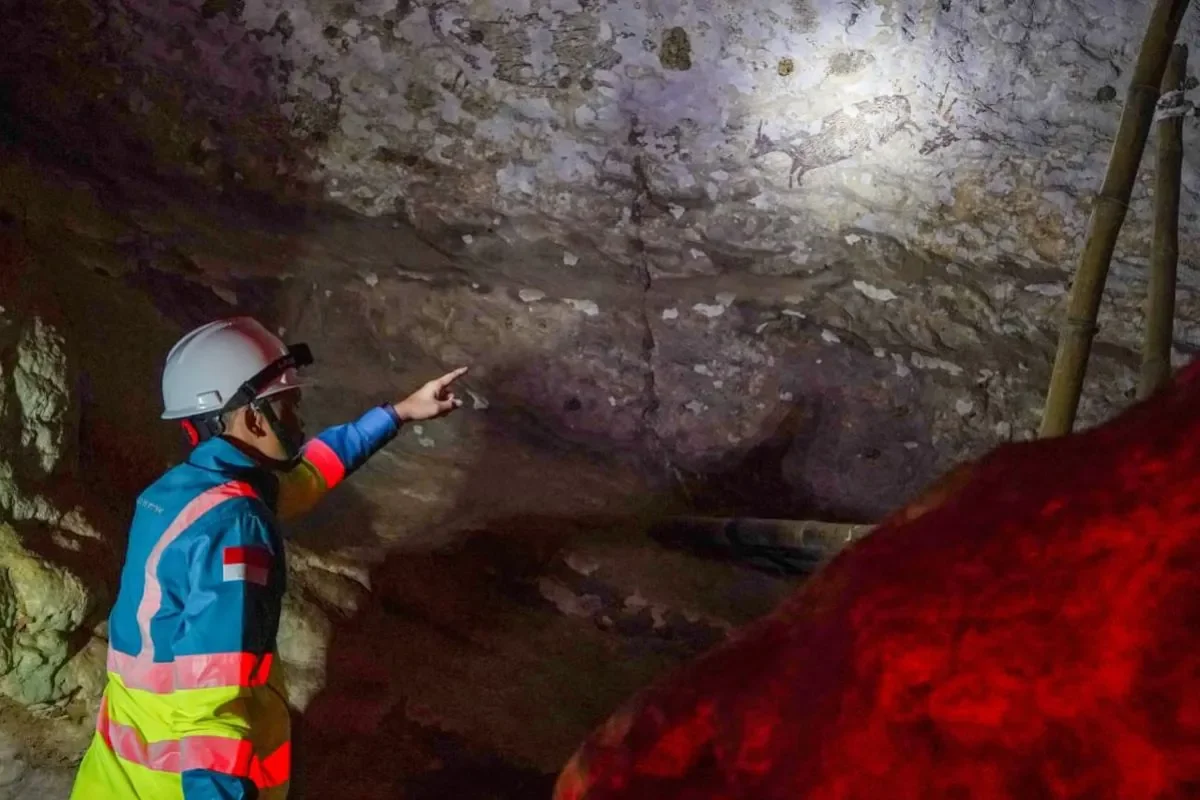
RRI.CO.ID, Jakarta - PT Semen Indonesia (SIG) has officially designated 31.64 hectares of its mining concession as a dedicated conservation zone, to balance industrial expansion with the preservation of human history.
As reported by Antara, this area represents over 11% of the total 280-hectare clay mine operated by subsidiary PT Semen Tonasa. It serves as a protective buffer for the Leang Bulu Sipong 4 prehistoric site in Pangkep, South Sulawesi, which houses what is widely considered the world’s oldest figurative cave art.
The site gained international acclaim for its "cave snacks" or rock paintings dating back approximately 44,000 years, depicting prehistoric hunting scenes. Recognizing the immense cultural value of these findings, SIG Corporate Secretary, Vita Mahreyni, emphasized that the conservation effort is not merely about compliance, but about protecting a "silent witness to human civilization."
"Bulu Sipong is expected to become an educational tool and help promote the history and culture of civilization to the wider community," remarked Vita in Jakarta on Thursday, March 5, 2026
The commitment to this heritage site is deeply integrated into the company’s operational strategy. Following the site's 2016 discovery by the Makassar Cultural Heritage Preservation Office (BP3), SIG collaborated with Hasanuddin University to develop a comprehensive Cultural Heritage Management Plan. This roadmap ensures that industrial activities do not compromise the integrity of the cave.
To mitigate physical risks, PT Semen Tonasa works closely with the Cultural Preservation Office (BPK) Region XIX to conduct regular vibration and air quality monitoring. The company has also invested in infrastructure, such as 1,800 meters of road paving and routine watering, to minimize dust exposure near the archaeological geosite.
This conservation initiative extends beyond archaeology to the protection of local biodiversity. The area has been transformed into the Bulu Sipong Biodiversity Park and Geopark, which has seen a steady increase in its biodiversity index. As of 2025, the park provides a sanctuary for 2,898 trees across 25 species, including endemic flora such as Ebony and Bitti.
It also serves as a natural habitat for 41 types of wildlife, including the protected Macaca maura and Tarsiers. "The Bulu Sipong 4 site is proof of SIG's commitment to protecting the sustainability of world cultural heritage and our dedication to sustainable development," added Vita.
The success of this corporate-led preservation model has resonated on the global stage. After being integrated into the Maros Pangkep UNESCO Global Geopark in 2023, the initiative received further international recognition at the SPAFACON 2024 and the Indonesia Geopark Leader Forum 2025.
SIG is setting a new benchmark for how heavy industry can coexist with the most fragile remnants of our ancient past. This progress is achieved by implementing a 1,900-meter perimeter fence and educating employees on the site's importance. ***
News Recomendation
Loading latest news.....