



Cultural Fusion in Betawi's Gambang Kromong Tradition
- 03 Feb 2026 18:18 WIB
- Voice of Indonesia
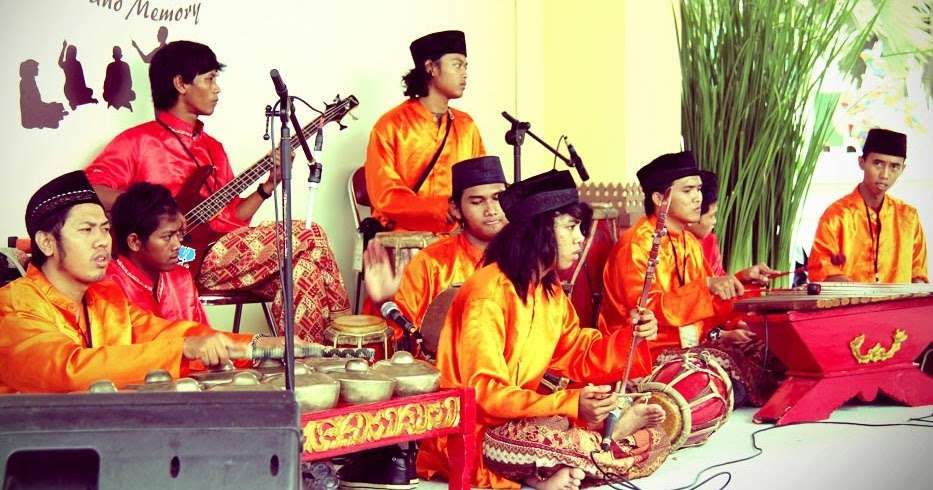
RR.CO.ID, Jakarta - Gambang kromong is not only a Betawi musical art form, but also a space for cross-cultural encounters born from the social life of Batavia. In its sounds, local traditions and Chinese influences blend without negating each other, creating a harmony that reflects how the Betawi people build togetherness in diversity.
The gambang kromong performance form became popular around the 1930s among the Peranakan Chinese community, now known as Cina Benteng. According to the Budaya Betawi website, gambang kromong first appeared simply as gambang, a gamelan instrument consisting of wooden bars arranged on a long, hollow box. However, since the early 20th century, it has become gambang kromong due to the addition of the kromong instrument. The initiator was Nie Hoe Kong, a Dutch-appointed Chinese community leader, or Kapitan Cina (1736-1740).
As its name suggests, the gambang kromong art form uses two main musical instruments: the gambang and a set of kromong. These instruments are always accompanied by other instruments, including the su-kong, teh-hian, kong-a-hian, bangsing (flute), gong, drum, kecrek (pan), and ningnong).
Over time, some instruments have been abandoned, but the musical character remains through the distinctive Chinese pentatonic scale known as Slendro Cina. This scale provides a distinct musical tone from the Western diatonic system and is a strong characteristic of gambang kromong.
The visual identity of this art form also reflects cultural symbolism. The predominance of red, black, brown, and yellow on the instruments serves not only an aesthetic purpose but also represents the values of tradition, strength, and prosperity inherent in the community.
Brown, both light and dark, is found on the resonators of the su-kong, teh-yan, kong-a-hian, the gambang bars, and the drum body. The color yellow is found on flutes, gongs, kecrek, kromong, and other brass instruments. Black is found on gongs, kromong, kecrek, and gambang bars, which are made of ironwood. Red is found on the wooden supports (stands) for gongs, kempul, kecrek, gambang, and kromong.
Gambang Kromong is used to enliven traditional ceremonies related to the cycle of life (marriage, vows, and circumcisions).
Initially, the songs played were Chinese songs; these classical pieces are called phobin. Another type is the "sauce song," a song composed without phobin. The emergence of "sauce songs," or modern songs, began when President Sukarno, with his Guided Democracy and Anti-Neo-Colonialism political system, imposed a ban on the implementation of Western (liberal) ideology, including its culture, in 1965.
Many pop singers took advantage of this situation to turn to other, "authentic" Indonesian music as a means of escape, allowing them to continue their careers as singers. Among them are Lilis Suryani and Benyamin Suaeb, who collaborated with a gambang kromong artist named Suhaeri Mukti to sing duets of Malay-Betawi songs.
From Batavia, gambang kromong spread to various Betawi cultural areas such as Bogor, Tangerang, and Bekasi. This spread confirmed its role as the musical identity of the Betawi people. ***
https://budayabetawi.ikj.ac.id/gambang-kromong/
News Recomendation
Loading latest news.....