


Kerta Plered Excavation Reveals Mataram Palace Traces
- 18 Des 2025 15:49 WIB
- Voice of Indonesia
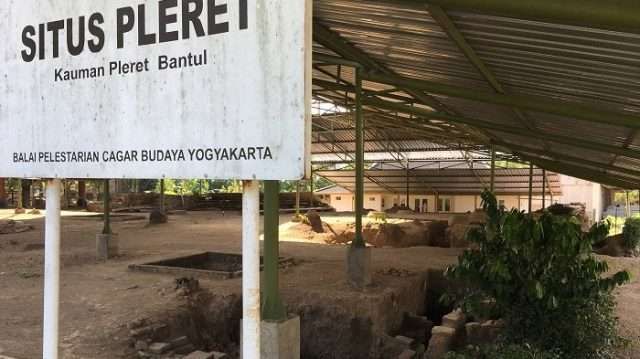
KBRN, Yogyakarta: Archaeological excavations in the Kerta Cultural Heritage Area of Plered are shedding new light on the remnants of the Islamic Mataram Kingdom, whose once-powerful palace has long been buried and nearly erased by time.
Since 2007, the Yogyakarta Special Region Cultural Agency (Kundha Kabudayan) has carried out multiple digs at the site believed to be part of the royal women’s quarters of the Plered Palace.
Dwi Agung Hernanto, Head of Cultural Heritage Preservation and Development at the agency, said the excavations are intended to strengthen evidence of the palace’s existence and provide new data for cultural heritage management. “The results of these excavations add to our information and reinforce the historical presence of the sites in this area,” he explained during a seminar on Wednesday, December 17, 2025.
Preliminary findings suggest traces of Sultan Agung’s rule remain visible in the structures at Kerta Plered, although battles with Dutch colonial forces disrupted construction of the palace.
More extensive building activity took place under his successor, Amangkurat I. “The evidence from Kedaton One confirms that palace construction was far more massive during Amangkurat’s reign compared to Sultan Agung’s era,” Agung said.
Excavations have uncovered foundations and brick structures, most of which lie underground. Many surface remains were lost over time, repurposed by local residents for houses and roads.
Other discoveries include ceramic and pottery fragments, but most are structural foundations. Agung noted that nearly the entire Kerta Plered area has been excavated, with only a few points left to explore, particularly in the southwest.
UGM archaeologist Fahmi Prihantoro, who led the most recent 20-day excavation from November 28 to December 13, said the findings further confirm the site’s palace function. “The brick structures and foreign ceramics indicate this was indeed a royal complex. The evidence strongly supports that the area served as a keraton,” he said.
Fahmi explained that many Javanese palaces were abandoned when rulers relocated, leaving the sites to deteriorate and eventually be buried. Natural factors, such as erosion and volcanic activity, accelerated the damage, similar to what occurred with Majapahit relics and temples covered by volcanic ash.
Excavation has not been without challenges. Much of the site lies beneath present-day settlements, creating friction with residents. “Ideally, if the site is considered important, the area should be cleared, and residents relocated, as was done at Borobudur. But such measures require significant resources,” Fahmi noted.
The Cultural Agency plans to use data from these excavations to develop narratives for several related sites, including Kerta and the series of Kedaton complexes. The effort is part of a broader mission to revive the historical presence of Mataram’s palace in Plered and ensure its legacy is preserved for future generations. (Misni Parjiati/Lasti Martina)
News Recomendation
Loading latest news.....