


Kota Kapur Recognized as Major Heritage Site for Bangka Belitung
- 28 Nov 2025 17:38 WIB
- Voice of Indonesia
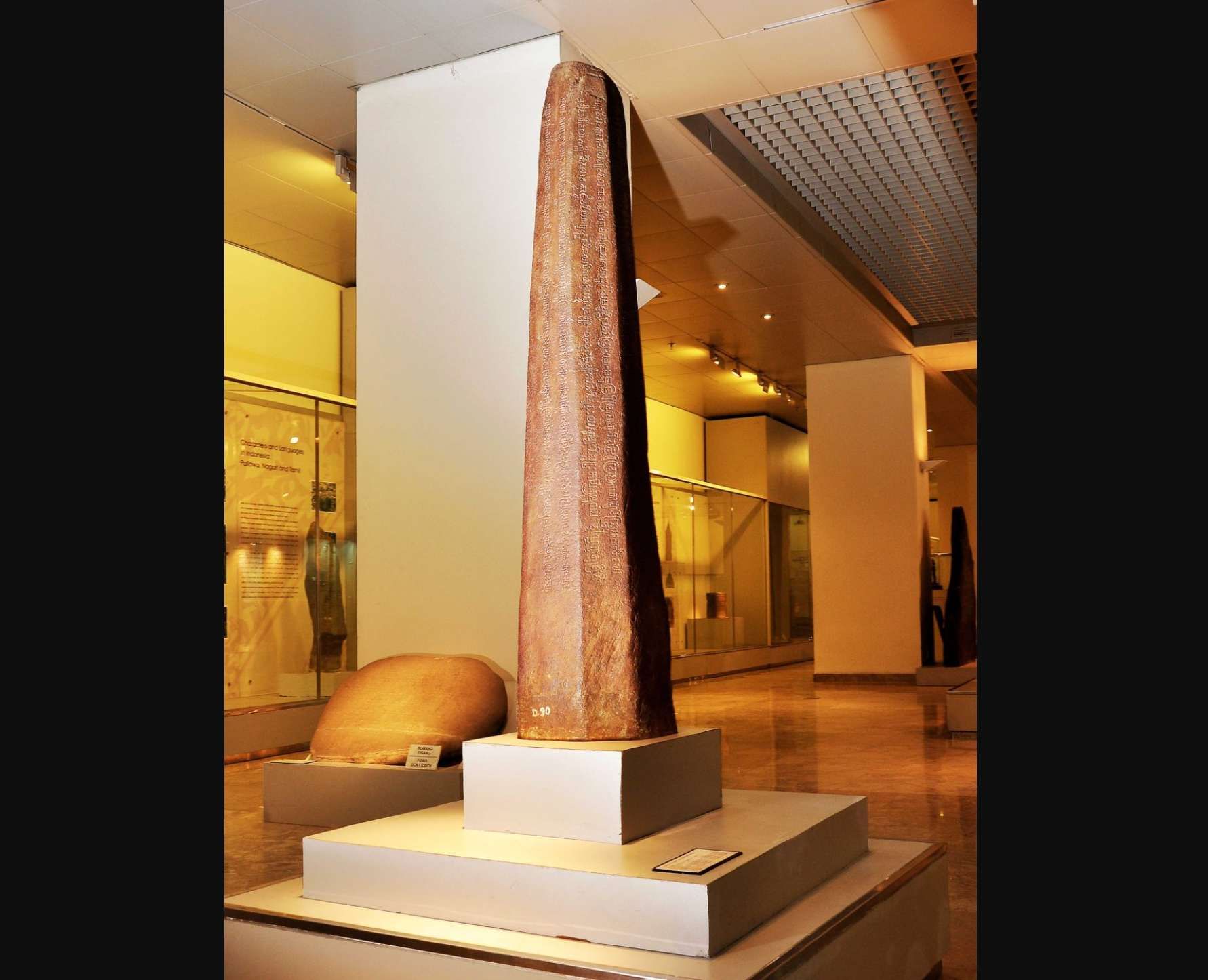
KBRN, Pangkal Pinang: Kota Kapur in Bangka Regency has been officially recognized as a major heritage site by the Jambi Cultural Preservation Center (BPK) Region V, underscoring its profound historical importance to both regional and national cultural development.
The Kota Kapur site is closely linked to the Srivijaya Kingdom. A stone inscription containing a royal vow issued by Srivijaya was discovered there. Known as the Kota Kapur Inscription, it dates back to 686 AD.
This inscription confirms that Bangka Island has a long history, dating back at least to the 7th century. Numerous cultural relics from this period have been found in the area. The name Bangka itself appears in various foreign records, including Chinese, Portuguese, and Dutch sources.
“The Kota Kapur site holds significant value, making it highly deserving of being the main heritage site for Bangka Belitung,” said Agus Widiatmoko, Head of BPK Region V Jambi, in Pangkalpinang on Friday, November 28, 2025, as reported by Antara.
He emphasized that Kota Kapur played a vital role in shaping cultural identity, particularly through its connection to the Srivijaya Kingdom in Bangka, whose influence extended nationally and reached South Asia, Southeast Asia, and the Far East.
“The Kota Kapur site embodies religious and cultural values,” Agus said.
He explained that the religious values at Kota Kapur demonstrate how the people of Bangka Island established secure settlements surrounded by earthen fortifications, built temples, created inscriptions, and constructed docks using local resources.
“Using knowledge passed down from their predecessors, the residents of Kota Kapur processed camphor resin into an international commodity long before tin became Bangka Island’s main export hundreds of years later,” he added.
Agus noted that the cultural values of Kota Kapur exemplify one of the few regions in Indonesia where assimilation between local and foreign cultures was successful.
“The ancient Bangka people absorbed Indic cultural influences, which became part of local traditions that continued to evolve until the arrival of Islam in the archipelago,” he said.
He further explained that Kota Kapur is among the few sites in Indonesia to have received early Hindu influence. The worship of Vishnu (Vaishnavite tradition) that developed there was international in character, similar to practices along the coasts of West Java, Central Java, and several Southeast Asian countries.
During the 5th and 6th centuries, worship generally did not yet reflect the concept of Tri Murti, the unity of Vishnu as creator, Shiva as destroyer, and Brahma as preserver of the universe. Instead, devotion centered on specific deities, and in Kota Kapur’s case, Vishnu.
“This is particularly interesting because in later periods of Hinduism in Java and Bali, the role of Shiva (Shaivite tradition) became more prominent than that of Vishnu or Brahma,” Agus said. ***
News Recomendation
Loading latest news.....