



Muaro Jambi Temple Revitalization Set for Completion This Year: Minister
- 22 Okt 2025 20:00 WIB
- Voice of Indonesia
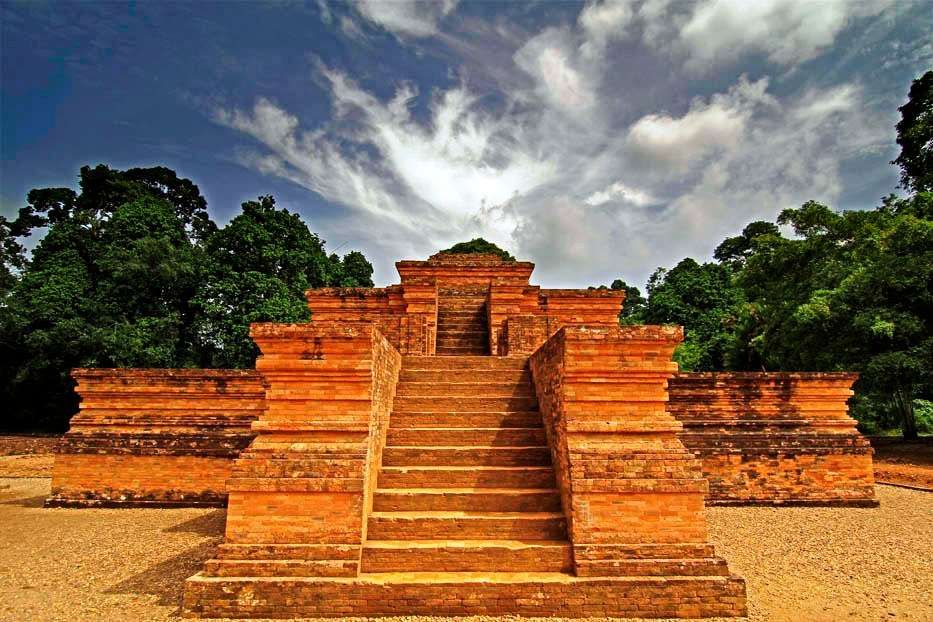
KBRN, Jakarta: The central government is accelerating the development and revitalization of the Muaro Jambi Temple Area (KCMJ) in Jambi Province as part of its culture-based tourism strategy.
Targeted for completion this year, the project is expected to stimulate economic growth for communities surrounding the cultural heritage site.
Minister of Culture Fadli Zon said that the government’s main focus in 2025 is on completing the construction of a museum within the Muaro Jambi complex to preserve and promote Indonesia’s cultural legacy.
“We are prioritizing Jambi, especially the finalization and revitalization of its cultural heritage and museum,” Fadli said after attending the 2025 Indonesian Cultural Awards (AKI) in Jakarta on Tuesday, October 21, 2025.
He emphasized that the presence of a representative museum will strengthen Muaro Jambi’s position as a national historical tourism destination. “Hopefully, we can complete the museum this year. This is the first step before expanding to other provinces,” he added.
The revitalization program not only focuses on physical restoration but also emphasizes community involvement.
The Ministry of Culture, through the Directorate General of Cultural and Tradition Protection, is encouraging active participation from residents of eight villages surrounding the site.
Director General Restu Gunawan noted that Muaro Jambi is more than an archaeological site. It is a living cultural landscape. “The Muaro Jambi Temple complex holds extraordinary cultural value. Revitalization must harmonize with the existing natural ecosystem,” he said in Jambi last Sunday.
With proper planning and community empowerment, the site is expected to become a major tourism magnet, generating economic benefits and reinforcing Indonesia’s cultural identity.
About Muaro Jambi Temple Complex
The Muaro Jambi Temple complex is the largest Hindu-Buddhist archaeological site in Southeast Asia, spanning approximately 3,981 hectares.
Located in the Maro Sebo subdistrict, about 26 kilometers east of Jambi City, the site is believed to be a legacy of the Srivijaya Kingdom, which flourished between the 7th and 13th centuries.
Unlike other temple sites in Indonesia, Muaro Jambi is notable for its horizontal layout, with scattered temple mounds, canals, and ancient pathways that reflect a once-thriving center of learning and spirituality.
It is also unique in its ability to empower surrounding communities through mutual cooperation and cultural stewardship.
The revitalization project focuses on two key aspects: physical development and historical excavation. In addition to infrastructure repairs, the initiative includes archaeological excavations, documentation, and interpretation of religious, cultural, and educational elements embedded in the site’s history.
Restoration work has been carried out on four temples: Kotomahligai, Parit Duku, Menapo Alun-alun, and Sialang, while optimization efforts continue on well-known temples such as Gumpung, Kedaton, and Kembar Batu.
To complement the revitalization, the government is building the Muaro Jambi Cultural Heritage Museum, which will house historical artifacts including statue fragments and makaras, ornamental water spouts often found in Hindu and Buddhist architecture, believed to be relics from the Srivijaya era. ***
News Recomendation
Loading latest news.....