



Preserving Indonesian Manuscripts: A Call to Action
- 16 Okt 2025 13:20 WIB
- Voice of Indonesia
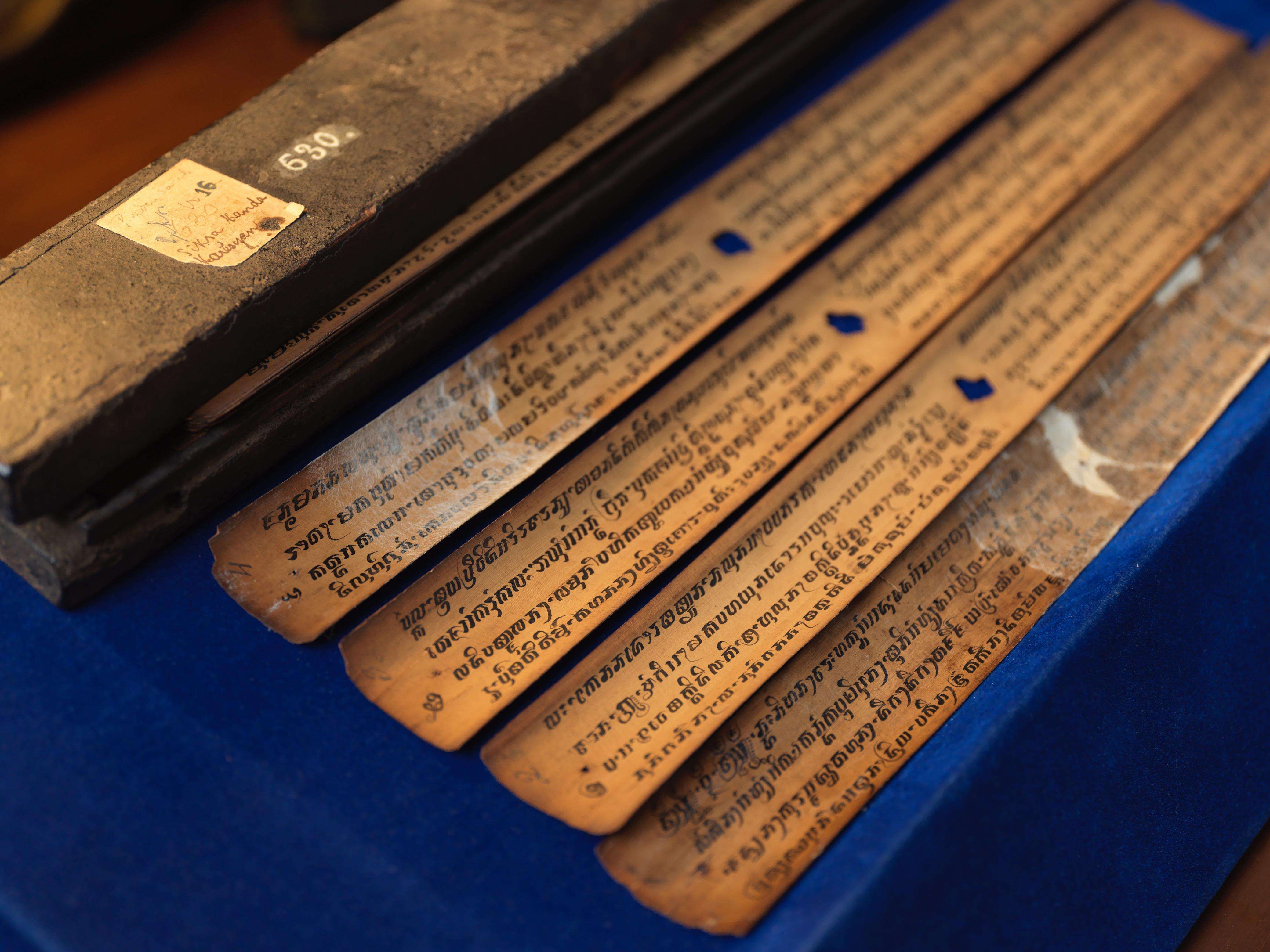
KBRN, Jakarta: The National Library of Indonesia (Perpusnas) has underscored the importance of mainstreaming Nusantara manuscripts to prevent them from being sidelined in the nation’s cultural and intellectual discourse.
Director E. Aminudin Aziz delivered the message at the 20th International Symposium on Nusantara Manuscripts, held at the National Library’s second-floor auditorium in Jakarta on Wednesday, October 15, 2025.
The symposium, themed “Nusantara Manuscripts: Collective Memory and the Future of Indonesian Philology,” was organized in collaboration with the Nusantara Manuscript Society (MANASSA), the National Library, and the Research Center for Manuscripts, Literature, and Oral Traditions of the National Research and Innovation Agency (BRIN).
In his keynote address, titled “Rivers Flow from Upstream to Downstream: Mainstreaming Collective Memory for the Golden Generation,” Aminudin described the National Library as a second home for philologists, academics, and manuscript researchers.
He emphasized the relevance of this year’s theme, which bridges the past and the future by strengthening the nation’s collective memory.
“Indonesian texts are like rivers flowing from upstream to downstream. The manuscripts written by our ancestors are the upstream. The understanding of current and future generations is the downstream. It is our shared responsibility to ensure this river continues to flow into the ocean of Indonesia’s collective consciousness,” Aminudin said in a press statement, as reported by perpusnas.go.id.
Mainstreaming Nusantara manuscripts is one of the National Library’s three strategic priorities, alongside promoting reading culture and standardizing libraries nationwide. “Manuscripts represent one-third of our core mission,” he added.
He cited the journey of the Babad Diponegoro manuscript as a case in point. Although it was inscribed in UNESCO’s Memory of the World register in 2013, restoration efforts only began in 2019 through international collaboration.
To mark the 200th anniversary of the Java War in 2025, the National Library is reviving the legacy of Prince Diponegoro through exhibitions, a reissue of the manuscript in Indonesian, digitization via the Khastara portal, theatrical performances, and the launch of the Diponegoro Series children’s comic.
The comic will be distributed to 6,500 village libraries and community reading parks (TBM), and made freely available on the iPusnas app.
“Preserving manuscripts doesn’t mean locking them away. It means using them so the public can appreciate their value,” Aminudin said.
He noted that the impact of these efforts has been far-reaching. The main exhibition drew over 56,000 visitors in one month, while the digital broadcast on the National Library’s YouTube channel attracted more than 36,000 viewers.
Over 100 national and online media outlets covered the event, including Kompas, Tempo, and National Geographic Indonesia, which published an in-depth report on the preservation of the Babad Diponegoro manuscript.
“These numbers show that manuscripts and history are not just relics of the past—they come alive when presented in ways that resonate with the public,” he explained.
Aminudin emphasized that the success of the manuscript mainstreaming program hinges on a robust ecosystem, adequate budgetary support, and a strong state commitment to advancing literacy and cultural development. “A developed nation is one that values its history, and history lives on only when we preserve and utilize its resources,” he concluded.
The symposium also featured the presentation of Certificates for the Establishment of National Collective Memory Manuscripts (IKON) 2025 to five Nusantara manuscript advocates from various regions, along with a cultural performance themed around Nusantara manuscripts.
The event was attended by experts from Indonesia and abroad, including Herry Yogaswara, Head of the Research Organization for Archaeology, Language, and Literature (OR-ABS) at BRIN; Annabel Gallop, Head of the Southeast Asia Section at the British Library; and Muhlis Hadrawi, Head of the Regional Literature Department at the Faculty of Cultural Sciences, Hasanuddin University.
The International Symposium on Nusantara Manuscripts is a biennial academic forum that brings together researchers, philologists, scholars, and manuscript enthusiasts from around the world.
This year’s edition was held in conjunction with the 8th National Conference of MANASSA, aimed at strengthening organizational capacity and leadership in the field of manuscript studies. ***
News Recomendation
Loading latest news.....