


ARTIFACT 25 Explores Srivijaya's Legacy as a Maritime Power
- 02 Sep 2025 15:53 WIB
- Voice of Indonesia
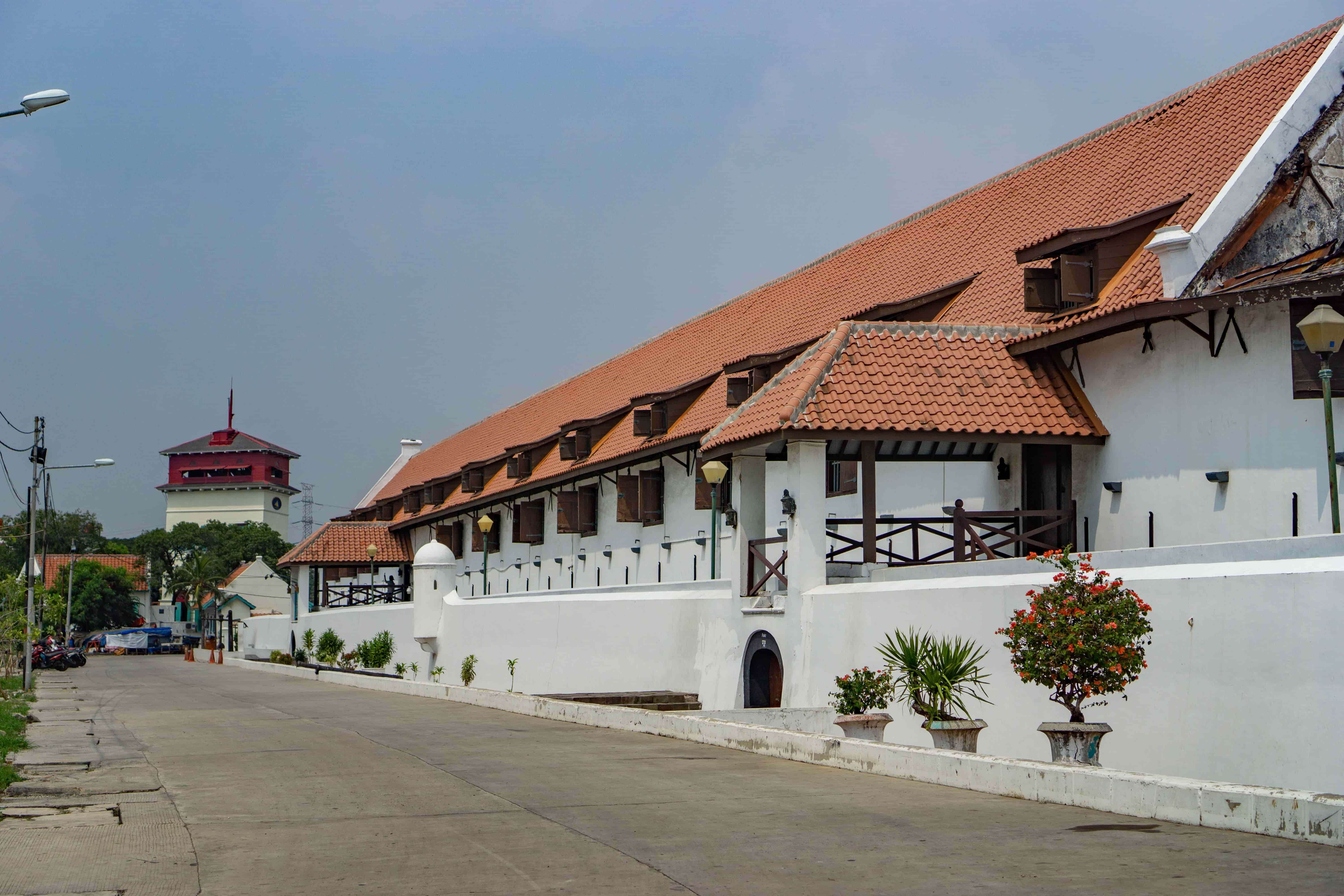
KBRN, Jakarta: In Jakarta's Old Town, the Bahari Museum is now hosting the ARTHEFACT 25 "Srivijaya: Across The Land, Rivers and Sea" exhibition. Running from August 12 to November 15, 2025, this event invites visitors to step back in time.
The exhibition is a significant step toward helping more people understand the legacy of Nusantara's great maritime civilization. The setting, with its old colonial buildings and sea-themed atmosphere, provides a fitting backdrop for exploring the history of Sriwijaya.
The exhibition highlights Sriwijaya's role as a major diplomatic hub. "This exhibition collaborates with several foreign embassies like India, Singapore, and China, as well as several preservation halls from Sumatra and Banten," said Nurul Iman, Head of the Museum Bahari's Education Unit as reported by antaranews.com, Saturday, August 30, 2025.
This cooperation underscores the kingdom's historical connections across Asia, revealing its significance as a center for international exchange.
The exhibition reveals Sriwijaya's legacy as a powerful maritime kingdom. Flourishing from the 7th century, it controlled vital trade routes in Southeast Asia for over six centuries.
This dominance was built on its strategic location in the Strait of Malacca and its rich natural resources like gold, spices, and timber.
Beyond its resources, the success of Sriwijaya was driven by its people. The leadership skillfully managed trade, formed political alliances, and prioritized knowledge, making it a key center for Buddhist learning.
The Prasasti Telaga Batu shows a central ruler supported by local chiefs, managing a wide territory from the core to its outer regions. Initially based in Palembang, the capital later moved inland to Jambi, a strategic move to control river trade from upstream to downstream.
As a thalassocracy, Sriwijaya controlled major ports from the Strait of Malacca to the South China Sea. The kingdom also formed alliances with sea tribes, who acted as guardians of the sea and helped maintain Sriwijaya's dominance. The Prasasti Kota Kapur (686 AD) further proves this influence, outlining a planned military expansion against a kingdom in Java that refused to submit.
Sriwijaya was more than just a trading center for spices and luxury goods. It was also an important part of the Maritime Silk Road and a center of knowledge.
The kingdom's close ties with Nalanda University in India, where King Balaputradewa built a monastery, underscore its intellectual standing. The renowned Buddhist monk Atisa Dipankara, who later spread Buddhism in Xizang, studied in Sriwijaya for 11 years.
A major source of information about Sriwijaya comes from the Chinese monk Yijing (I Tsing). He lived in Sriwijaya in 671 AD, studying Sanskrit and Buddhism before continuing to India. In his work, "Nanhai Jigui Neifa Zhuan," Yijing described Sriwijaya as a prosperous and orderly kingdom, recommending it as a place of study for other monks.
The decline of Sriwijaya began in the 11th century. The kingdom was significantly weakened by a series of attacks from the Chola Kingdom of southern India in 1025 AD, which captured the king and key ports. Internal pressures also contributed, as new kingdoms emerged and challenged its control.
Environmental factors also played a role in its downfall. The silting of the Musi River caused the capital to move further from the coast, making it less accessible for trading ships. These combined pressures ultimately led to the kingdom's collapse. ***
News Recomendation
Loading latest news.....