


Rebo Wekasan: A Sacred Wednesday of Healing and Heritage
- 15 Agt 2025 14:24 WIB
- Voice of Indonesia
KBRN, Yogyakarta: In the heart of Indonesia, a centuries-old tradition unfolds each year on the final Wednesday of the Islamic month of Safar.
Known as Rebo Wekasan, or Rebo Pungkasan in Javanese, this ritual blends Islamic devotion with local wisdom, offering a unique glimpse into the spiritual and cultural fabric of the archipelago.
In Desa Jepang, Kudus Regency, Central Java, villagers gather for a solemn day of prayer and reflection. The ceremony includes Quran recitations, communal prayers, and the sharing of air aziamat, a blessed water known as Salamun.
The event culminates in a selametan, a traditional Javanese communal meal, and shalat sunah, a voluntary Islamic prayer, all aimed at seeking protection from misfortune.
Meanwhile, in Wonokromo Village, Bantul Regency, Yogyakarta, the celebration takes on a more theatrical form.
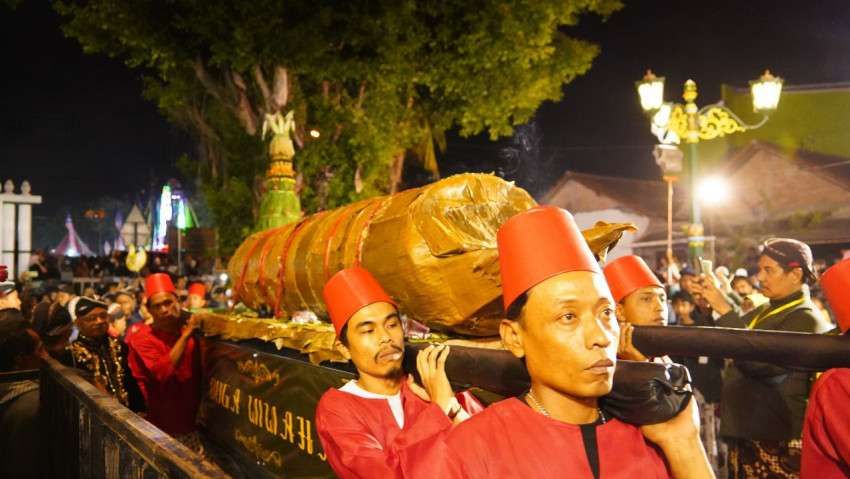
The highlight is the Kirab Lemper Raksasa, a grand procession featuring a giant replica of lemper, a beloved Indonesian snack made of sticky rice filled with seasoned shredded chicken or meat, wrapped in banana leaves.
Standing 2.5 meters tall and 45 cm wide, the lemper is paraded from the village mosque to the town hall, accompanied by royal guards from the Yogyakarta Palace and local art troupes performing Shalawatan, Kubrosiswo, and Rodat.
According to budaya.jogjaprov.go.id, beyond its culinary appeal to Sultan Agung, one of Java’s most revered kings, lemper carries symbolic meaning.
It’s an acronym for yen dialem atimu ojo memper, a Javanese phrase urging humility in the face of praise. The snack’s sticky texture also represents the struggle to overcome life’s challenges before tasting its sweetness.
The history of this tradition can be traced back to the 17th century, during the period of Islamic proselytization by the Wali Songo (the "Nine Saints").
According to historical beliefs, this tradition is based on a hadith from the Prophet Muhammad, which addressed the superstition held by some about the month of Safar being unlucky.
During that era, many Islamic scholars believed that over 500 types of diseases and calamities descended upon the earth in the month of Safar.
As a form of collective effort to seek protection from these potential dangers, the scholars and the community would hold a tirakatan, a special night for intensive worship and prayer. The purpose of this vigil was to ask for Allah's protection from all dangers, especially on the last Wednesday of Safar.
This annual vigil became a symbol of prayer and a conscious effort to avert misfortune. Although it has been practiced for hundreds of years, the tradition of Rebo Wekasan is still preserved today.
While the specific rituals may vary across different regions in Indonesia, the core essence remains the same: a plea for safety and protection.
Though its roots lie in Java, Rebo Wekasan has found resonance across the Indonesian archipelago.
In the coastal communities of Aceh, for instance, the tradition takes the form of Makmegang, a gathering by the sea where families pray together and share meals, asking for protection especially for those who make their living from the ocean.
In Banyuwangi, East Java’s easternmost regency, locals perform larung sesaji, a ritual of casting offerings into the sea, symbolizing the release of misfortune and the hope for calm waters and safe journeys.
Further east, in Lombok, the Sasak Muslim community observes Rebo Wekasan with a blend of Islamic prayer and local adat.
Villagers gather in traditional attire, recite Quranic verses, and prepare communal meals using local ingredients like cassava and coconut, reflecting the island’s agrarian roots.
The atmosphere is intimate and spiritual, with elders leading prayers and children learning the meaning of the ritual through storytelling.
In 2025, Rebo Wekasan falls on Wednesday, August 20, corresponding to 26 Safar 1447 H in the Islamic calendar. The date is determined by the Hijri lunar cycle, with Safar being the second month.
Beyond its religious significance, Rebo Wekasan also serves to strengthen social bonds among residents.
Through communal activities like group prayers and Quranic recitations, the community shares their gratitude and works together to preserve a cultural heritage passed down through generations.
Whether through solemn prayers, festive parades, or coastal offerings, Rebo Wekasan remains a living testament to Indonesia’s rich spiritual heritage and its enduring commitment to harmony. ***
News Recomendation
Loading latest news.....