


Kasongan's Pottery Heritage at the MuseumKu Gerabah in Yogyakarta
- 11 Feb 2025 15:45 WIB
- Voice of Indonesia
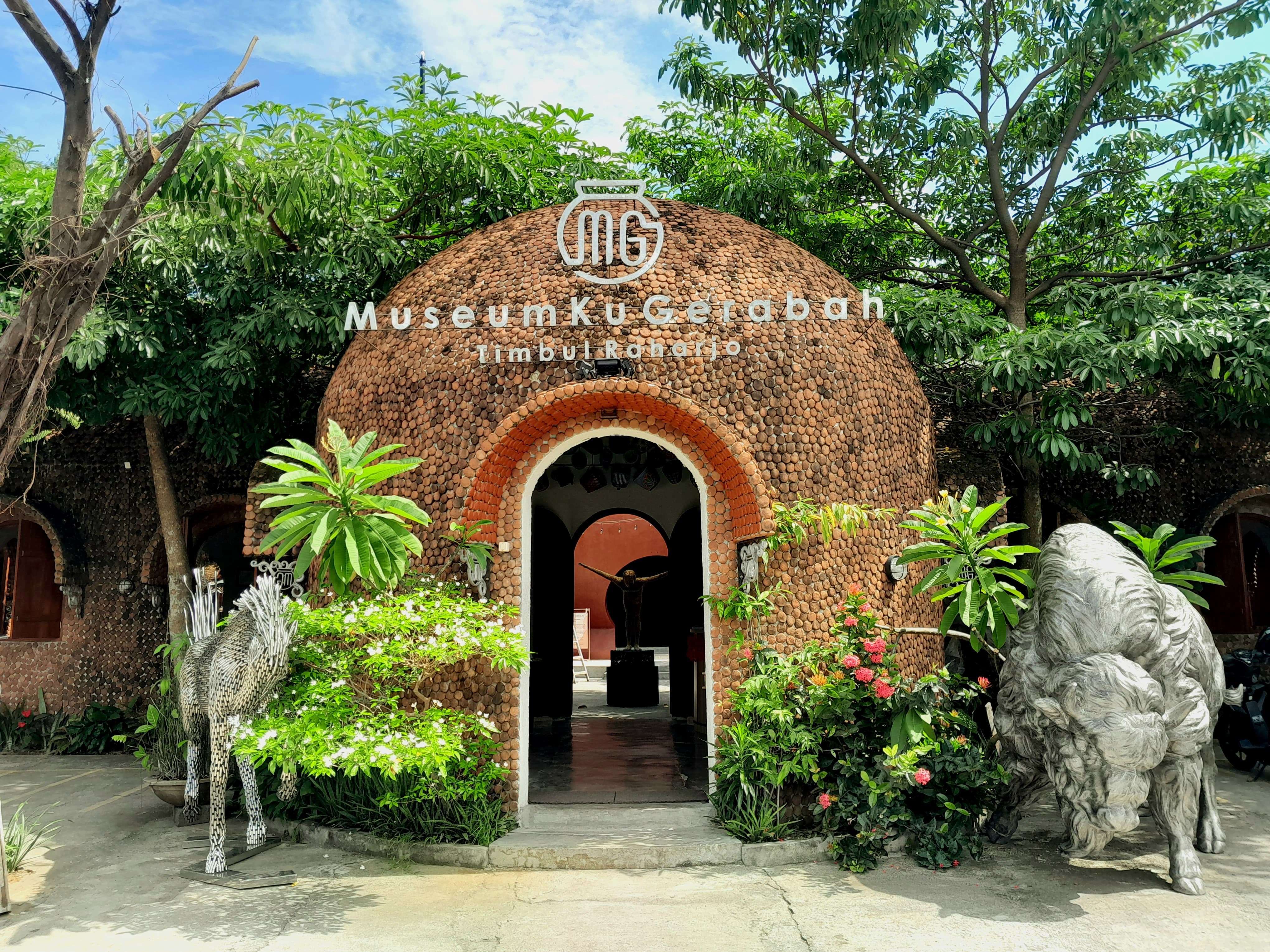
KBRN, Bantu: Kasongan, a charming village in Bantul Regency, Yogyakarta, has emerged as a prominent tourist destination, renowned for its rich heritage in pottery crafting.
This traditional art form, passed down through generations, has become a significant livelihood source for the villagers and a defining characteristic of their unique identity.
Beyond the vibrant pottery workshops, Kasongan boasts a unique cultural gem: MuseumKu Gerabah Timbul Raharjo.
Founded on October 28, 2022, by the late artist and esteemed academician Professor Timbul Raharjo, the former Rector of the Indonesian Institute of the Arts Yogyakarta, the museum is a testament to his dedication to preserving and promoting this cherished craft.
Situated in Kajen hamlet, Bangunjiwo Village, the museum houses an impressive collection of around 80 pottery pieces and other artworks, showcasing the evolution of this traditional art form.
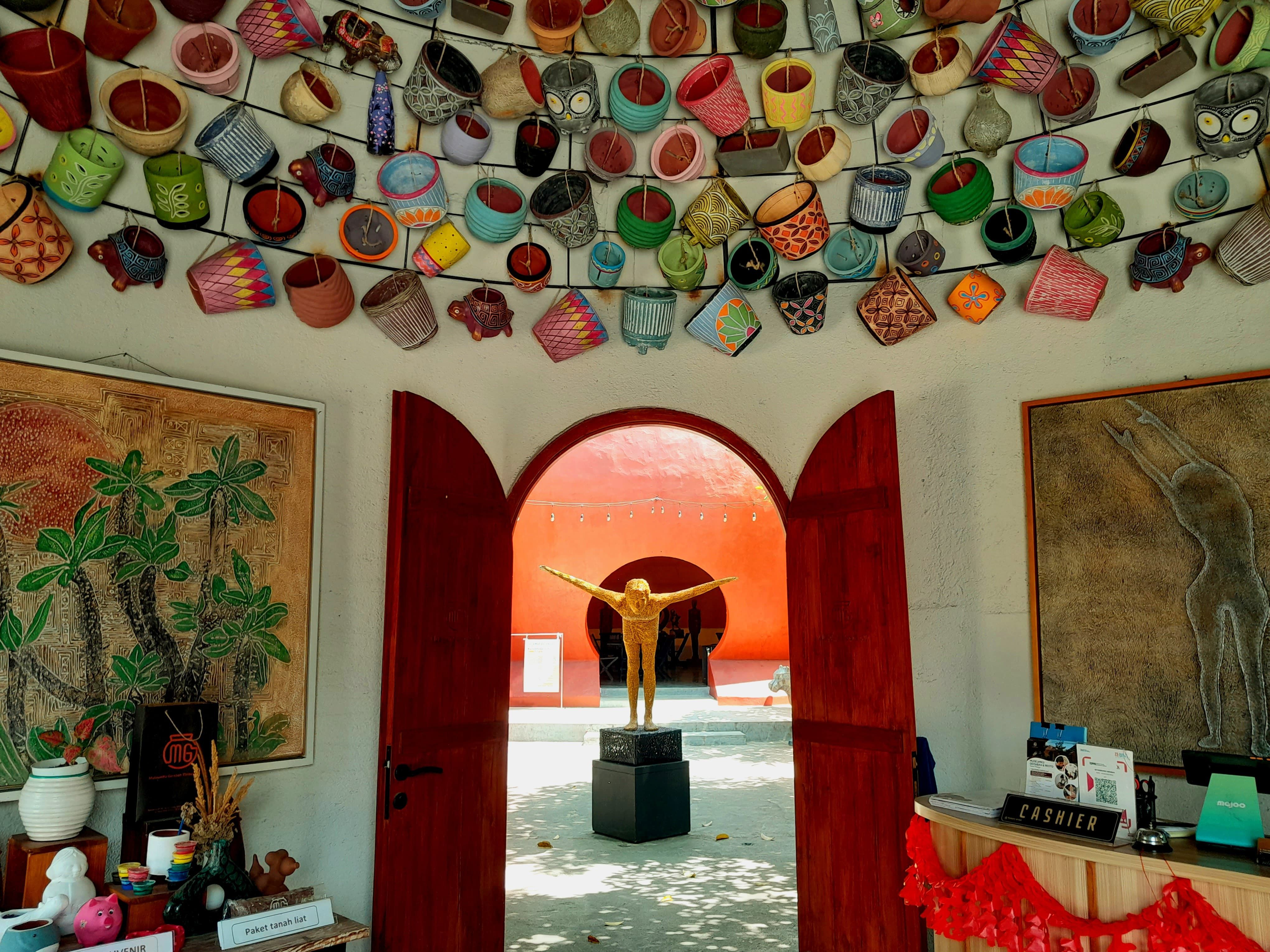
Various painted clay pots, artfully arranged on the roof wall, created a stunning aesthetic feature that enhanced the museum's overall beauty. (Photo: RRI English/Diva Rifdah Rizkia Puspitaningnala)
"Mr. Timbul, a native of Kasongan, envisioned this museum as a platform to educate local and international visitors about the rich history and artistry of pottery," explained MS Hadi Arsa, MuseumKu Gerabah Timbul Raharjo Marketing, earlier this week.
The museum itself is a testament to artistic ingenuity. Inspired by traditional pottery techniques, its terracotta-colored dome-shaped building creates a striking visual contrast against the surrounding landscape.
The industrial-inspired interior seamlessly blends with the natural elements, offering a unique and inviting atmosphere.
Visitors can explore the exhibition galleries, marvel at sculptures and paintings, and even indulge in delectable Indonesian and Western cuisine at the museum's restaurant.
The museum's collection is a testament to the versatility of pottery. The first room showcases the historical significance of pottery as functional objects, from cooking utensils to water storage containers.
The second room explores the evolution of pottery as an art form, highlighting its decorative use in homes and public spaces. The third room features a personal collection of artworks by Timbul Raharjo, adding a unique artistic dimension to the museum.
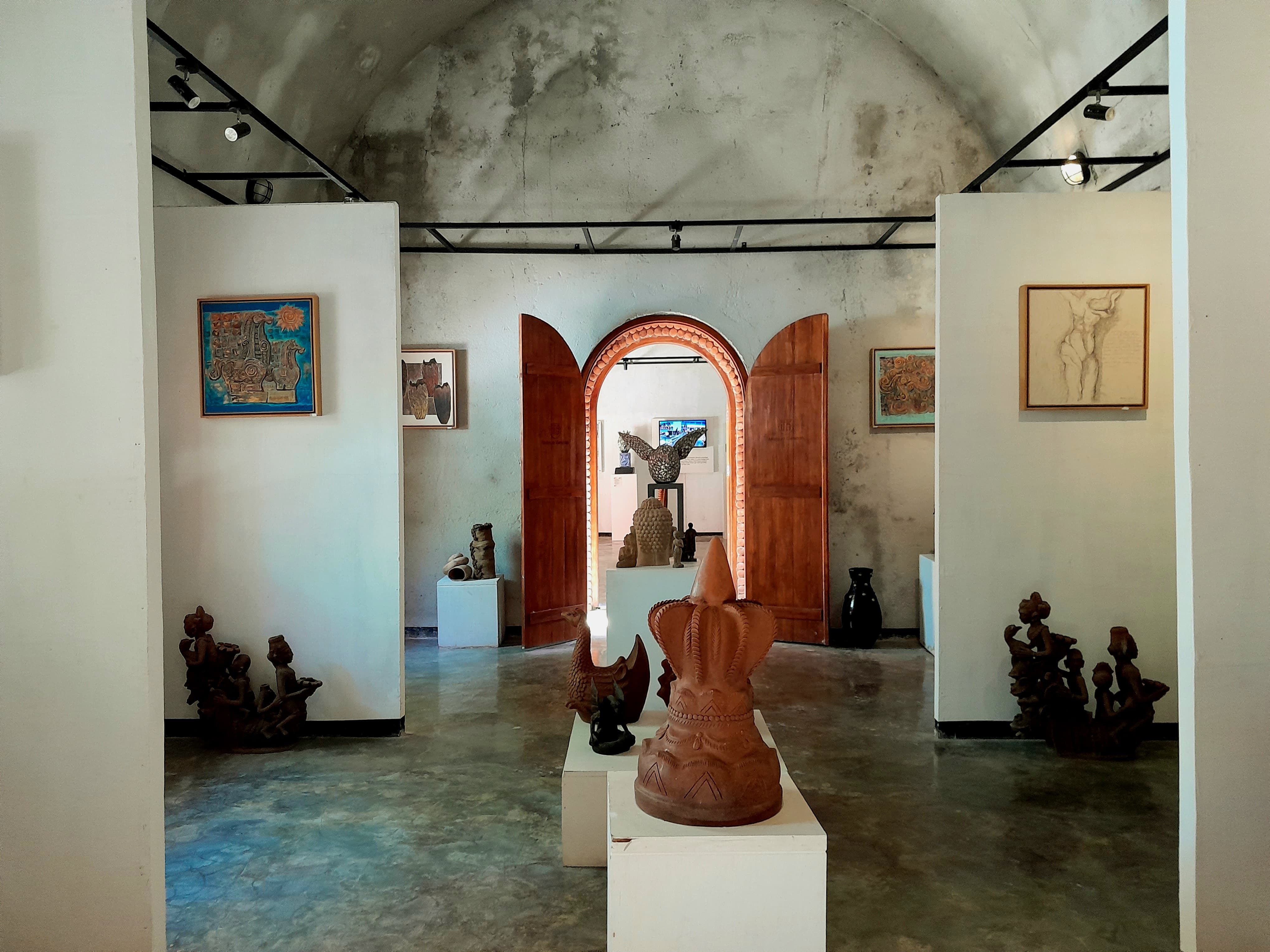
This room provided insight into the progression of pottery innovation, from utilitarian objects to decorative elements incorporated into roofs, courtyards, and living rooms. (Photo: RRI English/Diva Rifdah Rizkia Puspitaningnala)
Since its inception, the museum has actively engaged with the community, hosting ceramic festivals and incorporating Javanese cultural rituals into its programming.
Since last year, the museum's management has become more organized. It uses a paid system to maintain its sustainability and increase tourist attraction.
"To visit the museum, visitors only need to order food or drinks for IDR 25,000 (1.53 USD), which includes a museum tour," said Arsa.
Mrs. Ani Faiqoh, the late Professor Timbul Raharjo's wife, and their son, Magistyo Tahun Emas Raharjo, oversee the museum's operations.
"This museum was established to ensure that future generations understand and appreciate the artistic legacy of our ancestors," emphasized Arsa. "The museum aims to showcase the beauty and versatility of pottery, demonstrating its significance as a valuable cultural asset"
Museum Ku Gerabah offers a comprehensive experience for visitors. In addition to the museum exhibits, visitors can participate in pottery workshops and learn various techniques, such as finishing, turning, and molding.
These workshops, priced from IDR 100,000 (approximately USD 6.11), include a museum tour, the workshop itself, and a meal at the museum restaurant.
The museum offers four distinct areas for visitors to explore: the exhibition area, the workshop area, the restaurant, and a unique dome-shaped meeting space.
The terracotta color, a prominent feature throughout the museum, serves as a visual reminder of the art of pottery.
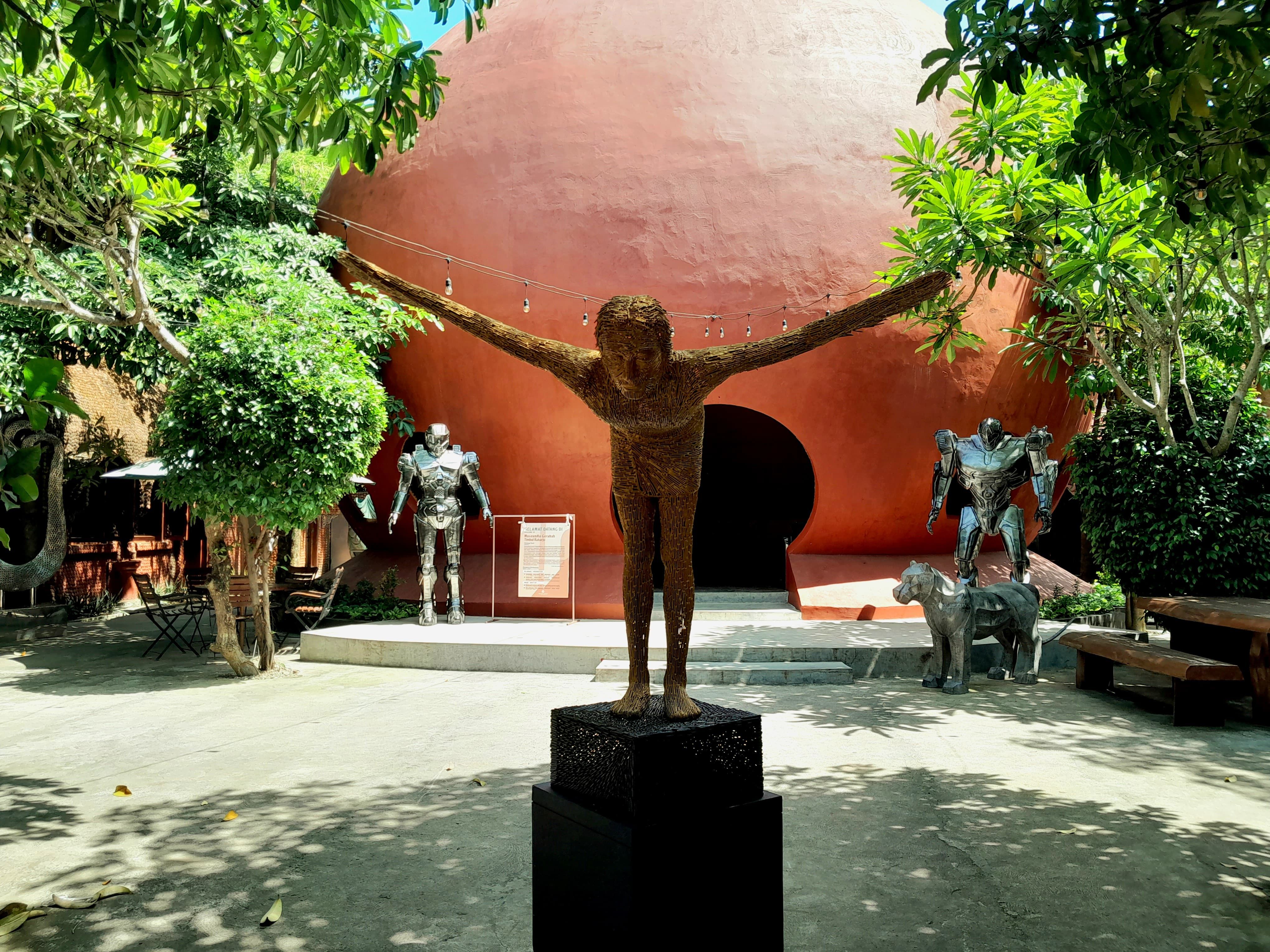
The dome-shaped building, resembling an inverted cauldron, is one of the museum's most iconic architectural features. (Photo: RRI English/Diva Rifdah Rizkia Puspitaningnala)
"One of the most iconic features of the museum is the dome-shaped building, which resembles an inverted cauldron," explained Arsa. "This design, along with the round exterior, reflects the traditional pottery techniques of the Kasongan community."
Rara, a visitor from Sleman, admired the museum's aesthetic appeal and unique architectural design.
"The food is delicious, and the open-air atmosphere is relaxing," she shared. "I hope that MuseumKu Gerabah will continue to thrive and attract more visitors worldwide." ***
News Recomendation
Loading latest news.....