


Kotagede Living Museum, Exploring Yogyakarta's History and Innovation
- 08 Feb 2025 19:27 WIB
- Voice of Indonesia
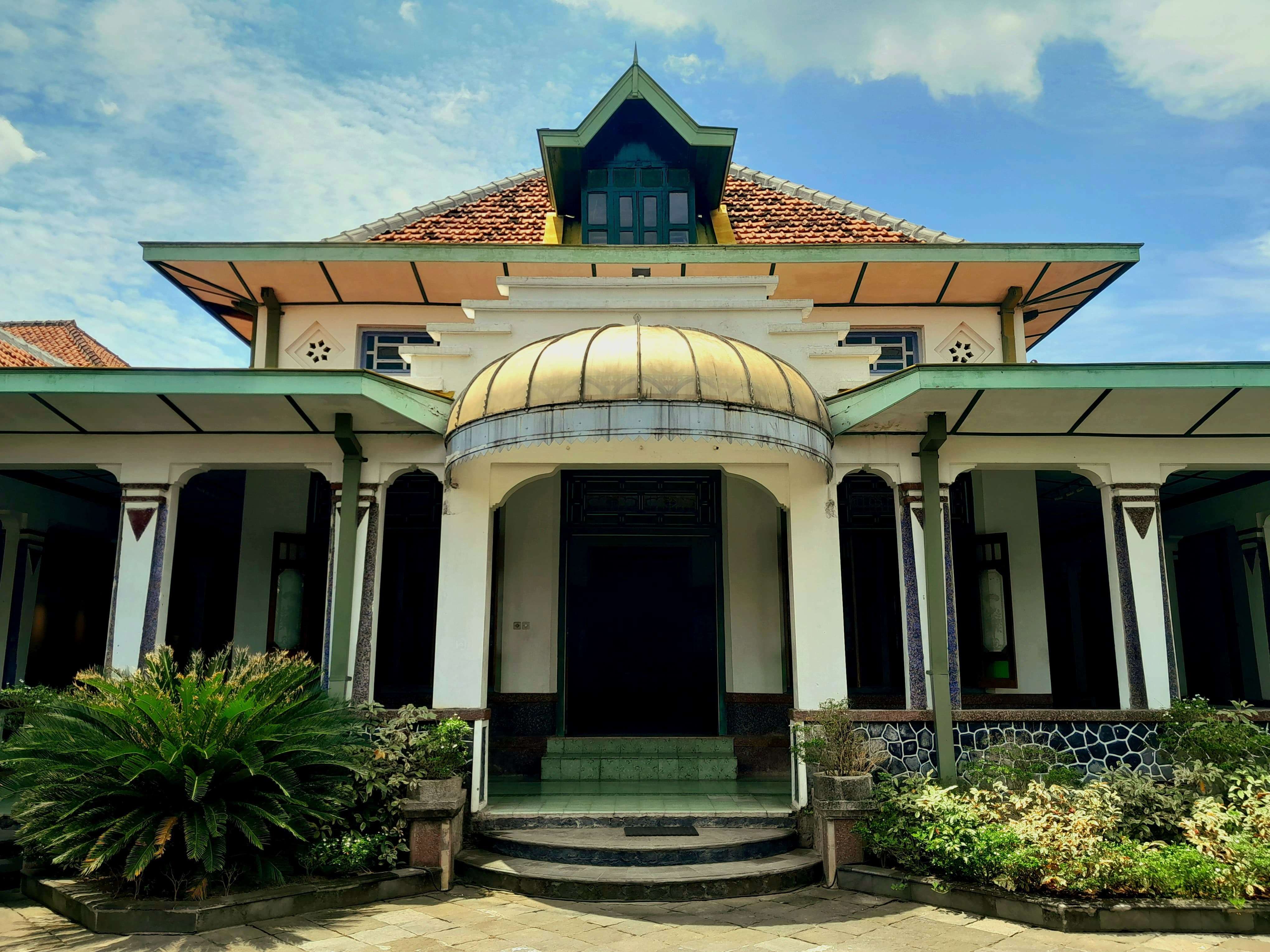
KBRN, Yogyakarta: Kotagede in Yogyakarta was the former capital of the first Islamic Mataram Sultanate established in 1532. It boasts a rich history and has evolved from a center of government in 1532 to a vibrant cultural hub.
Kotagede retains the charm of its historic buildings and tradition-steeped community life despite the passage of centuries.
The Kotagede Intro Living Museum is a central resource for those eager to learn about Kotagede's cultural and historical roots.
Located at Jalan Tegal Gendu No.20, Prenggan Village, Kotagede Subdistrict, Yogyakarta, the museum occupies a historic building once the private residence of Mrs. Hadi Noerijah, a prominent Kalang woman.
The Kalang people are a Javanese ethnic group historically known for living in seclusion in a forest. They are also renowned as entrepreneurs in the gold and diamond craft.
The Yogyakarta Culture Agency purchased her house in 2015 and transformed it into a museum, which opened on December 10, 2021.
The Intro Living Kotagede Museum goes beyond simply displaying historical artifacts. It provides a comprehensive overview of Kotagede's history and development.
Visitors can explore the daily life of Kotagede residents in bygone eras and trace the city's evolution to the present day.
"'Intro' signifies a starting point," Devi Catur Pawestri, an educator at the museum, explained on Friday, February 7, 2025. This museum serves as an introduction to understanding Kotagede as a whole."
The Living Museum concept was adopted to actively engage the community in preserving and utilizing their cultural heritage.
Visitors are encouraged to explore each room and learn about its original function. This allows them to relive the past and directly experience the atmosphere of life in Kotagede in the past.
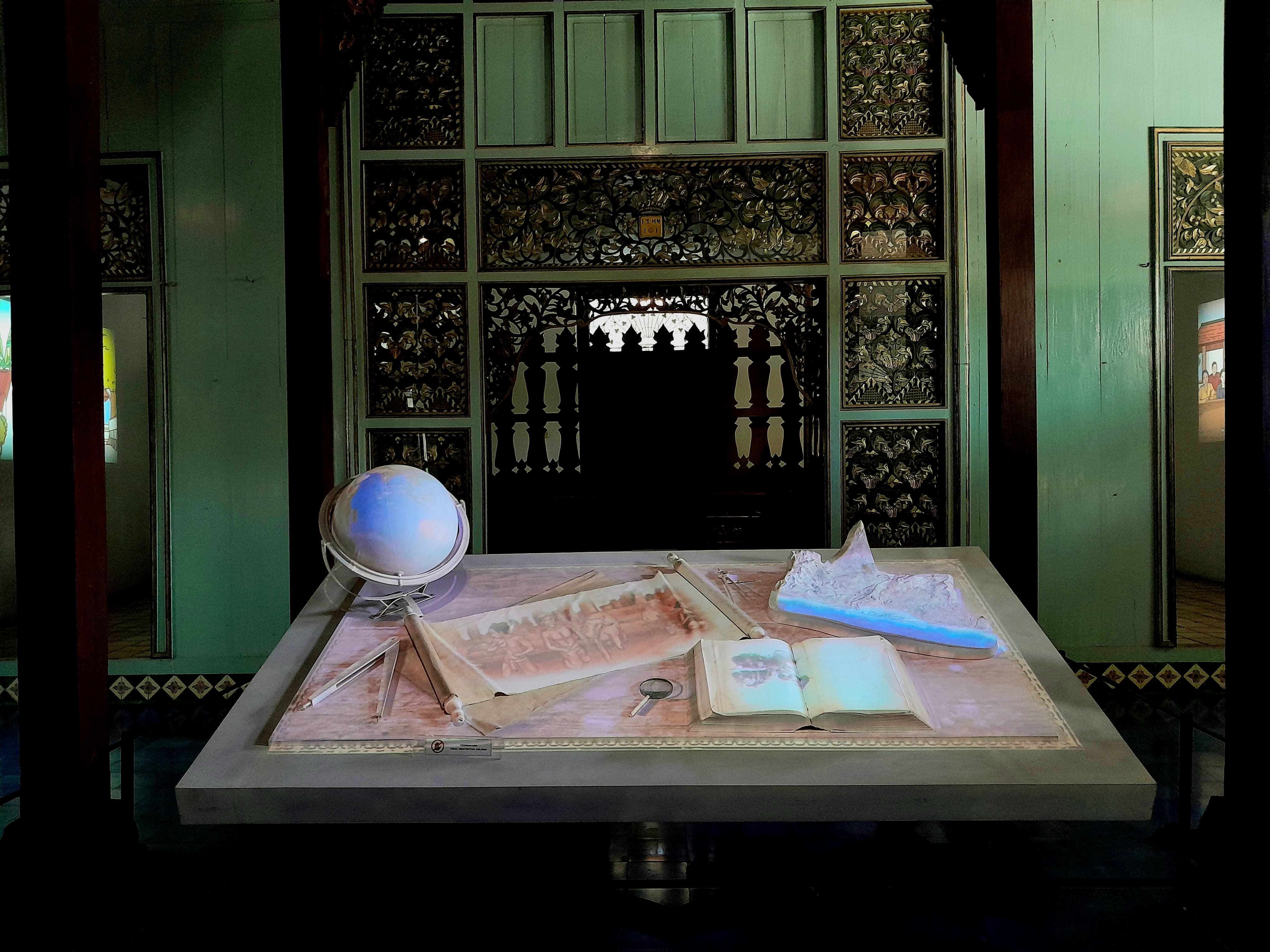
This immersive installation served as an introduction to the early history of Kotagede for museum visitors. (Photo: RRI English/Diva Rifdah Rizkia Puspitaningnala)
Starting from the history of the establishment of the magnificent Mataram Sultanate, the dynamic social movements of the Kotagede people, to the historical sites that have witnessed the long journey of this city.
Not to forget, the unique history of the Kalang people, the appetizing Kotagede culinary specialties, the distinctive characteristics of Kotagede houses that are full of meaning, the captivating Kotagede arts and performances, the history of Kotagede's legendary silver crafts, and the inspiring figure of Mrs. Hadi Noerijah are all presented beautifully in this museum.
One of the most interesting parts of this museum building is the existence of a bunker that is said to be still connected to the Sekar Kedhaton Restaurant.
This restaurant, which is famous for its authentic Javanese dishes, is located not far from the museum.
This bunker was once part of the building owned by Mrs. Hadi Nuriah's father and is believed to have been used to store valuable treasures.
Its existence adds to the appeal of the museum and provides a glimpse into a mystery-filled past.
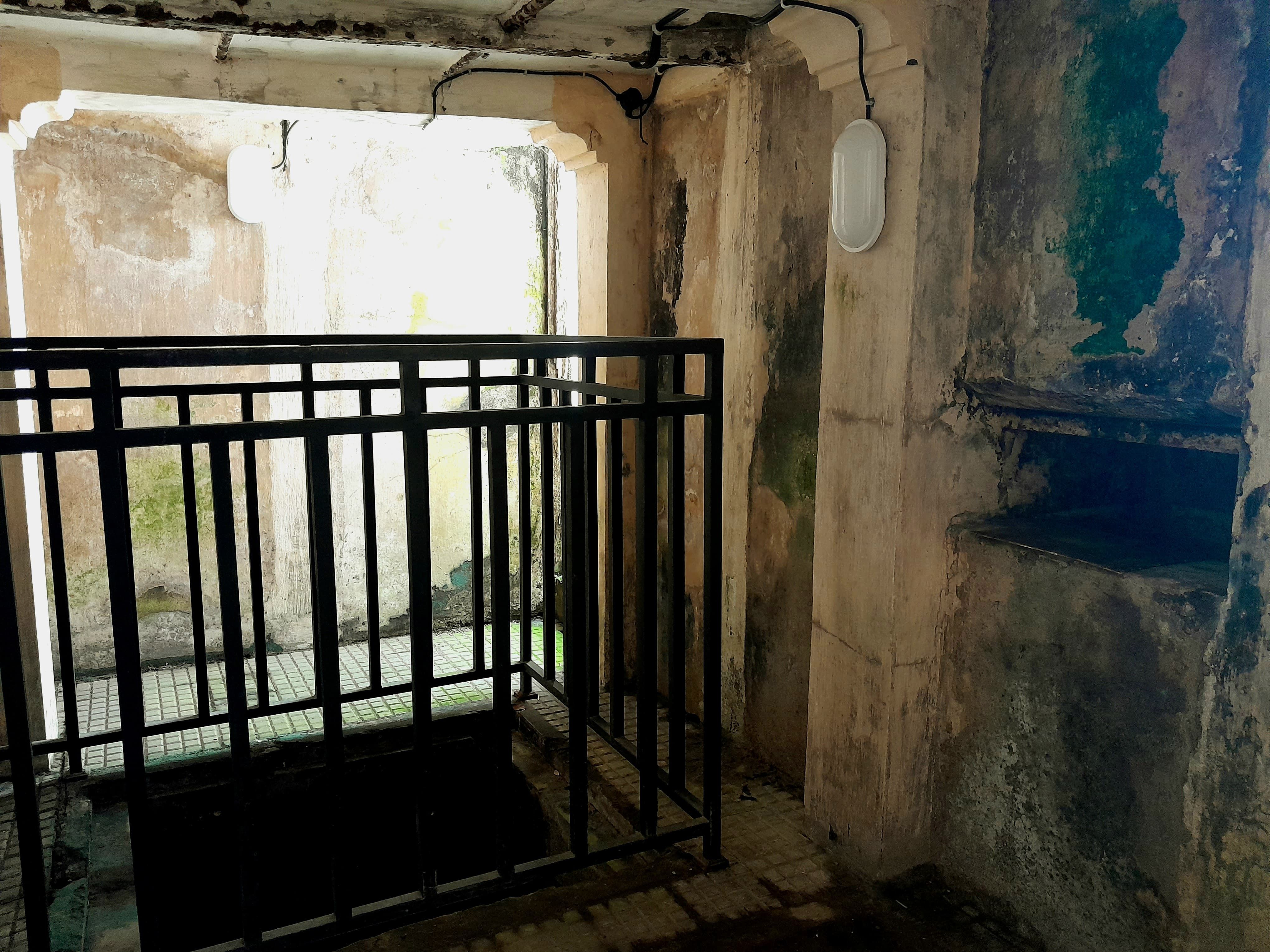
The bunker within the Living Museum offered a unique perspective into the past, providing a tangible connection to the house and its former inhabitants. (Photo: RRI English/Diva Rifdah Rizkia Puspitaningnala)
The building is a cultural heritage site with significant historical and cultural value. Its preservation and conversion into a museum offer the public a valuable opportunity to learn about Kotagede's history and culture.
The museum occupies a two-acre site with a building area of 1,200 square meters. The front section of the building dates back to 1931, while the rear section was constructed in 1938.
The building showcases a distinctive architectural blend of Indisch, Javanese, Chinese, and Arabic influences.
"The characteristics of this Kalang house can be seen in the use of stained glass, European-style floors, the dome-shaped canopy, which reflects Arabic style, and the Chinese-style windows," Devi noted.
The museum's layout also incorporates elements of traditional Javanese houses, including the senthong (the most private part of the house), a wooden pavilion, the saka guru (main pillar), the pringitan (used for puppet shows), and other traditional rooms.
The museum is organized into four clusters: archaeological sites and historical landscapes; literature, performance, tradition, and daily life; traditional skills (technology); and social movements.
Interactive screens and sensor-activated informative videos enhance the visitor experience, making the information more engaging and accessible.
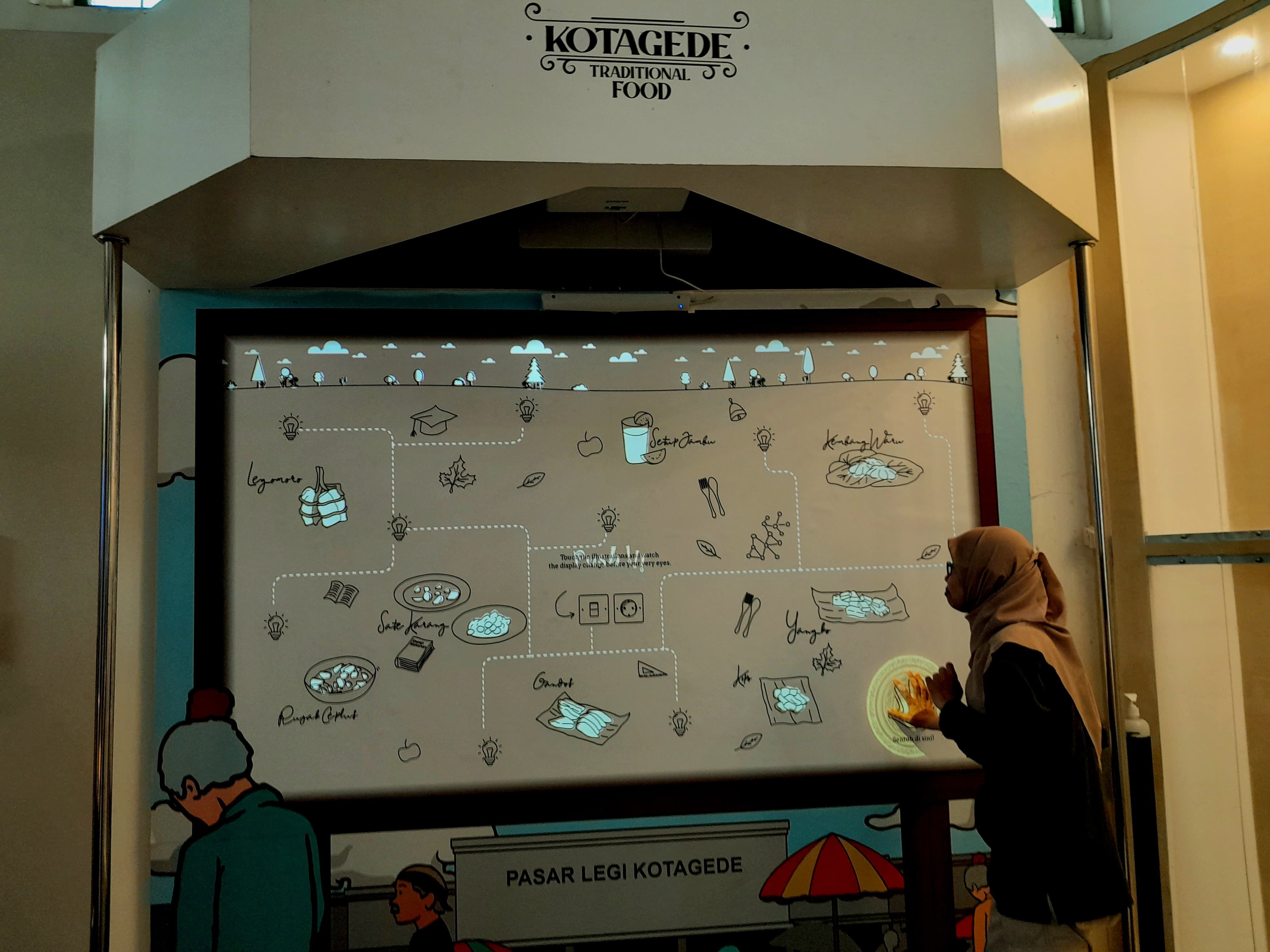
The culinary room highlighted Kotagede's delicious treats with interactive displays made learning about these dishes fun and engaging. (Photo: RRI English/Diva Rifdah Rizkia Puspitaningnala)
"One of the most popular rooms is the culinary room," Devi explained. "This room showcases a variety of Kotagede specialties, such as kembang waru, kipo, yangko, and legomoro."
Kembang waru is a soft, sweet cake shaped like the eight-petaled waru flower, believed initially to be the Mataram Sultanate heritage.
Kipo is a small, cylindrical, vibrant green Javanese snack made from glutinous rice flour. It is filled with sweet coconut and is known for its chewy texture.
Yangko is a small, chewy, square or rectangular Javanese snack made from glutinous rice flour. It is filled with sweet ground peanuts and dusted with powdered sugar.
Legomoro is a savory, cylindrical Javanese snack made of sticky rice filled with seasoned meat, wrapped in banana leaves, and steamed, resulting in a slightly sticky texture and a rich, umami flavor.
The Intro Living Kotagede Museum offers a range of activities for visitors of all ages. It is open Tuesday through Sunday, from 8 a.m. to 3.30 p.m. local time, except on Mondays and national holidays.
In addition to the exhibits, the museum features a Pojok Dolanan (play corner) equipped with traditional Javanese games.
Once a month on Fridays, the museum hosts Ngepit, exploring living Kotagede while riding a bicycle. This free program invites participants to explore Kotagede while learning about local history and culture.
"We provide 15 bicycles, and participants are invited to see the life of the Kotagede community, such as witnessing the making of kembang waru, silver crafting, etc.," Devi said.
/pj39a1zlp0fvmm0.jpeg)
The Ngepit Program introduced participants to the vibrant culture and history of Kotagede through a fun and interactive cycling tour. (Photo: Doc./Kotagede Intro Living Museum)
Throughout February, the museum offers Bergamusday (gamelan learning) and Sketsumday (drawing lessons).
The Sinau Dolan (study and play) program is designed for kindergarten and elementary school children. It offers fun and engaging ways to learn about history and culture through storytelling, games, and museum exploration.
Dheva, a visitor from Klaten, discovered the museum through social media. Her interest in art and literature prompted her visit.
"The most unique aspects of this museum are the culinary section and the silver craft information room. I think this museum is fun because of the interactive media., Dheva commented. She hopes more people will learn about this museum, as it is not yet widely known.
Kotagede's story unfolds at the Intro Living Museum from royal origins to modern-day charm.
The museum offers a glimpse into the past and sparks a sense of wonder for what the future holds for this remarkable place. ***
News Recomendation
Loading latest news.....