



Weather Not Primary Causes of Virgo Transport 8 Motor Ship Incident
- 16 Sep 2026 14:39 WIB
- Voice of Indonesia
Key Points
- Virgo Transport 8 Motor Ship encountered an accident in the Java Sea while sailing from Surabaya to Banjarmasin on September 13, 2026, carrying 243 people.
- BMKG said weather conditions cannot yet be identified as the main cause of the accident, as the vessel’s stability, technical condition, and cargo require further investigation.
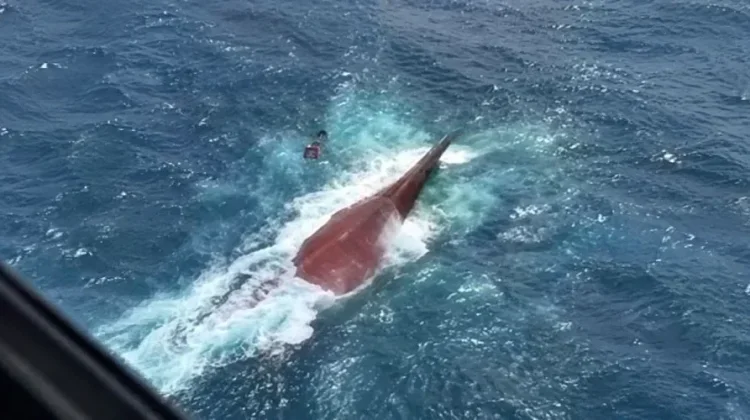
RRI.CO.ID, Jakarta - Head of the Maritime Meteorology Information Working Team at the Meteorology, Climatology, and Geophysics Agency (BMKG), Slamet Wiyono, conveyed that weather conditions cannot be immediately cited as the primary cause of the Virgo Transport 8 Motor Ship accident. This is because ship stability and cargo conditions still require further inspection.
The Virgo Transport 8 Motor Ship accident occurred in the Java Sea while sailing from Surabaya, East Java, to Banjarmasin, South Kalimantan, in the early hours of Sunday, 13 September 2026. The ship was carrying 243 people, including general passengers, crew, drivers, assistants, and ship partners.
BMKG conveyed that weather conditions during the incident were generally clear to cloudy with no rain, with wind speeds reaching 15 to 20 knots and moderate wave categories. “Weather conditions are certainly one of the risk factors, but it is not accurate to state that it is one of the main risks,” said Slamet on Wednesday, 16 September 2026.
He explained that wave impacts on vessels vary depending on size, characteristics, technical conditions, and each ship’s capabilities. BMKG routinely updates daily sailing weather information, including one-day, two-day, and three-day forecasts for operators.
Meanwhile, the National Transportation Safety Committee (KNKT) investigates every maritime accident to identify root causes and prevent similar incidents. These investigations produce safety recommendations for operators, crew, and relevant authorities to improve sailing procedures.
Ship accidents handled by KNKT show that fires remain the dominant incident type across Indonesia’s national shipping sector. Cases such as Mutiara Sentosa II Ferry and Putri Yasmin Ferry highlight the importance of monitoring hazardous cargo from the outset.
KNKT Chairperson, Surianto Cahyono, said most ship fires are triggered by cargo or trucks carrying dangerous goods. “Cargo control is a crucial part so that fire risks can be identified and addressed early by the crew,” he said on Wednesday.
KNKT data indicates approximately 40 to 45 percent of ship accidents relate to fires during national voyages. Of these fires, about 65 percent involve cargo or trucks, while engine-related sources are relatively small.
This situation shows cargo oversight must be strengthened from the goods acceptance process by agents or expeditions before ship departure. All hazardous cargo must be identified, labeled, and clearly communicated to crew and port authorities.
“Surianto explained that agents or expeditions, referred to as Regulated Agents, play a role in ensuring cargo information is conveyed before trucks are loaded. After stowage is completed, trucks are given special markings so crew know the cargo characteristics during the voyage," he added.
This information helps crew prepare competencies and handling procedures for emergencies at sea. KNKT assesses that crew readiness, cargo management, and authority coordination are essential to prevent similar accidents from recurring. (Annaila Azzahra-EN)
News Recomendation
Loading latest news.....