



East Kalimantan Forms 23 Livestock Cooperatives to Boost Farmers’ Independence
- 29 Jul 2026 22:57 WIB
- Voice of Indonesia
Key Points
- East Kalimantan has established 23 corporation-based village livestock cooperatives to help traditional farmers transition into professionally managed agribusinesses.
- Under the Village Livestock Corporation Development Program (PDKT), each cooperative receives 100 head of livestock as revolving working capital rather than grant assistance.
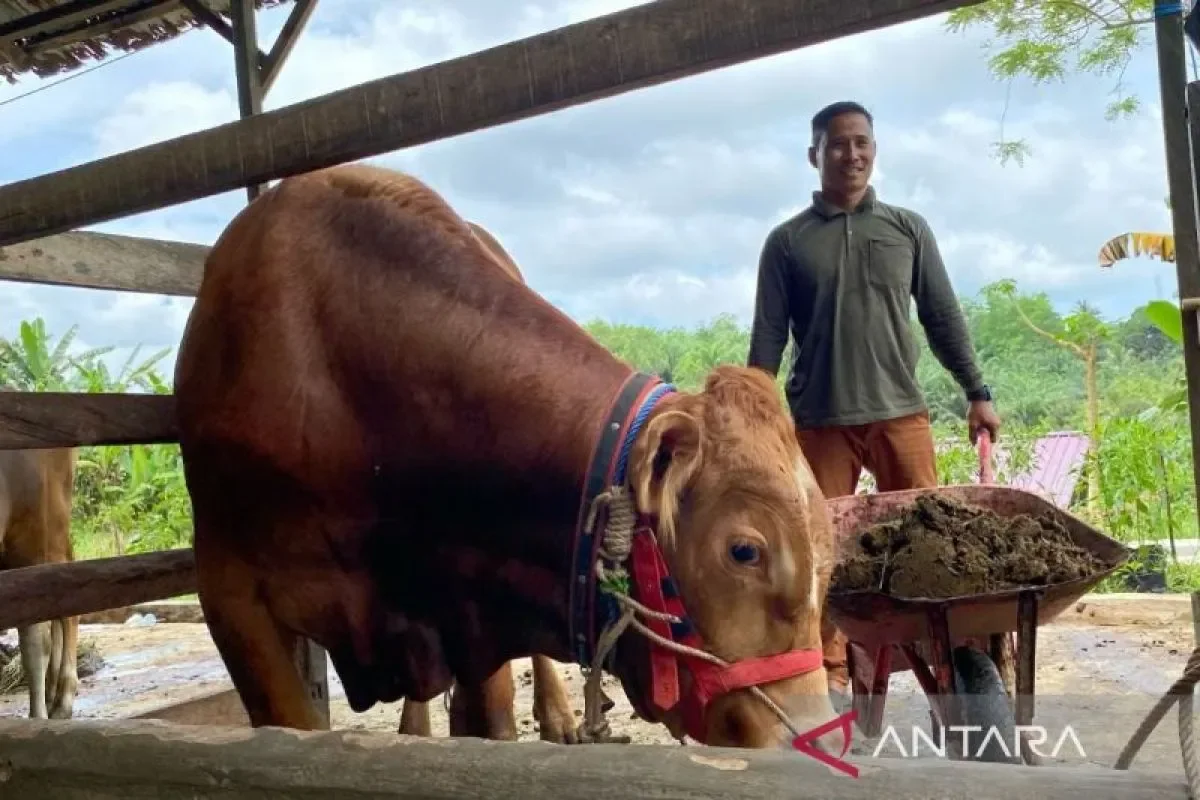
RRI.CO.ID, Samarinda - Traditional livestock farmers in East Kalimantan are now being encouraged to manage their businesses professionally through 23 corporation-based village cooperatives. To guide the shift in mindset from small-scale husbandry to agribusiness, the East Kalimantan Provincial Animal Husbandry and Animal Health Agency has assigned facilitators to support livestock development, and business management for a full two years.
“Through this Village Livestock Corporation Development Program (PDKT), we are changing farmers’ mindsets from what used to be merely traditional livestock keeping or side savings. Now, they are encouraged to adopt a business orientation managed professionally under a legally recognized cooperative,” said East Kalimantan Animal Husbandry and Animal Health Agency Head, Arief Murdiyatno, in Samarinda on Wednesday, July 29, 2026.
Arief explained that the establishment of these village-based corporate institutions was carried out in stages through 2026, consisting of 15 cattle cooperatives, six goat cooperatives, and two sheep cooperatives. The process began in 2024 with nine cooperatives, increased by 12 more in 2025, and concluded with two sheep-based cooperatives in Samarinda and North Bontang in 2026.
He said that under this empowerment scheme, each PDKT cooperative receives an initial capital allocation of 100 head of livestock. The regional administration stressed that the support is working capital that must be circulated and returned for business expansion after harvest, rather than being treated as a grant.
“This capital system revolves around working capital. Based on livestock economic turnover data, 1,080 cattle and goats have been successfully sold, and the funds have been rotated back into purchasing new livestock from a total cycle volume of around 2,148 head,” said Arief, as quoted by Antara.
To ensure business continuity at the grassroots level, the agency places one dedicated facilitator in each cooperative for at least two years. The facilitator is responsible for overseeing three main pillars, such as livestock development, institutional strengthening, and business management.
In addition, to protect farmers from price losses caused by the traditional estimation system, all livestock sales through PDKT cooperatives are now required to use live-weight pricing standards per kilogram.
“This transparent trading system ensures fair prices, increases farmers’ income, and strengthens the livestock ecosystem in East Kalimantan,” said Arief. ***
News Recomendation
Loading latest news.....