



Mount Ciremai National Park Bans Hikers from Active Crater Zone
- 21 Jul 2026 11:19 WIB
- Voice of Indonesia
Key Points
- Mount Ciremai National Park has reaffirmed its ban on hikers entering the mountain's protected active crater zone after unauthorized visits surfaced on social media.
- Authorities warned that the crater area poses serious risks, including unstable terrain, toxic gases, and volcanic hazards, while also protecting the park's fragile ecosystem.
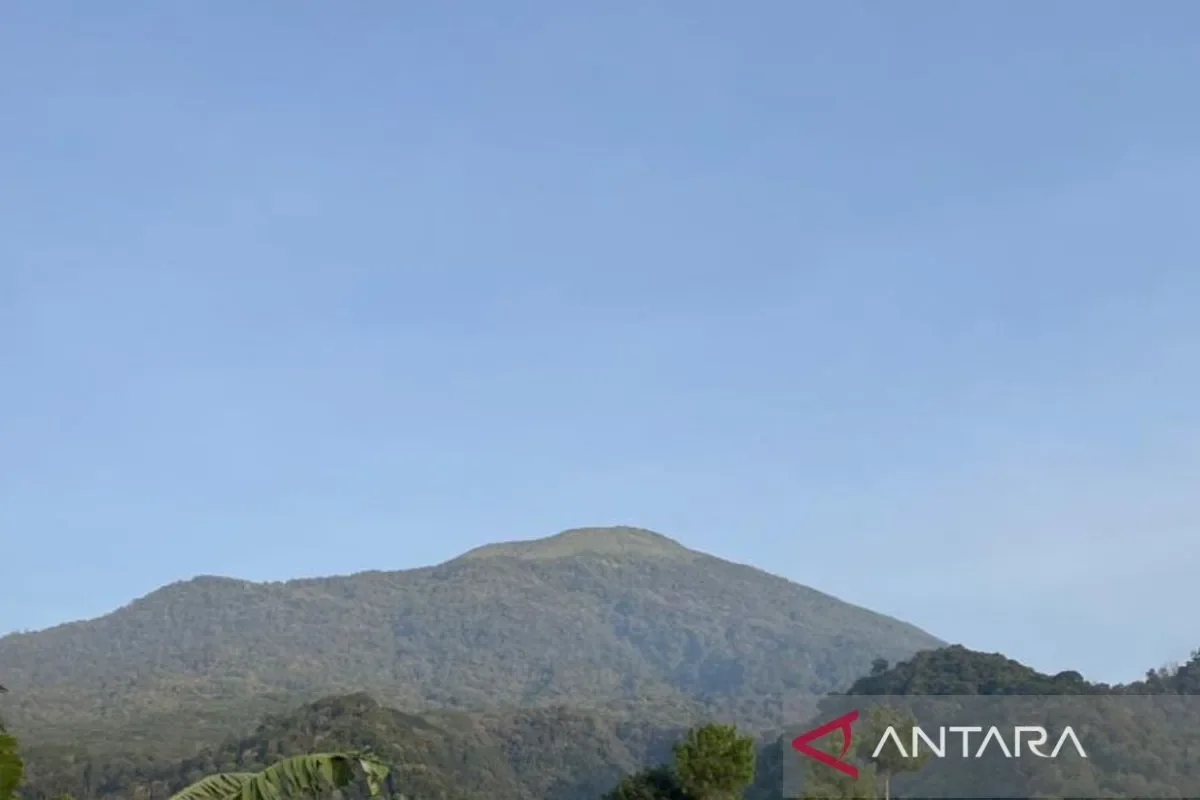
RRI.CO.ID, Kuningan - The Mount Ciremai National Park Center (BTNGC) in West Java has firmly reiterated its prohibition against hikers and visitors entering the mountain’s crater area, following viral social media footage showing unauthorized human activity near the hazardous summit zone.
Head of the BTNGC, Toni Anwar, expressed deep concern over the persistent safety violations, emphasizing that the crater area forms part of the national park’s strictly protected core zone (zona inti).
"We express our deep concern regarding the continued presence of hiking activities that enter the crater area of Mount Ciremai, We must emphasize that the Mount Ciremai crater area is a core zone that is strictly off-limits to visitors and hikers," Toni said in Kuningan on Monday, July 20, 2026, as quoted by Antara.
Toni explained that entering the crater without official permission and specialized technical competence violates national park regulations and poses severe life-threatening hazards. The terrain surrounding the summit crater is exceptionally steep, unstable, and prone to landslides and falling rocks. Additionally, the area carries high risks of toxic gas emissions and unpredictable volcanic fluctuations.
"The terrain is extremely steep, unstable, and prone to landslides and falling rocks. There is a potential risk of toxic gas emissions and shifts in volcanic activity, paired with the complete lack of adequate evacuation routes and emergency rescue access," Toni warned.
Beyond the immediate threat to human life, authorities noted that unauthorized access disrupts and damages sensitive ecological habitats within the protected conservation zone.
The BTNGC urged all outdoor enthusiasts and local communities to adhere strictly to established climbing rules, use designated official hiking routes, and refrain from trespassing into protected core zones for mutual safety and long-term environmental preservation. ***
News Recomendation
Loading latest news.....