



Bandung Pilots RDF Tech to Turn Waste Into Fuel
- 02 Jul 2026 23:03 WIB
- Voice of Indonesia
Key Points
- The Bandung City Administration and the West Java Provincial Administration are piloting Refuse Derived Fuel (RDF) technology to convert low-value inorganic waste into alternative fuel.
- The RDF initiative will be integrated into the development of 220 neighborhood-based waste-processing sites across Bandung.
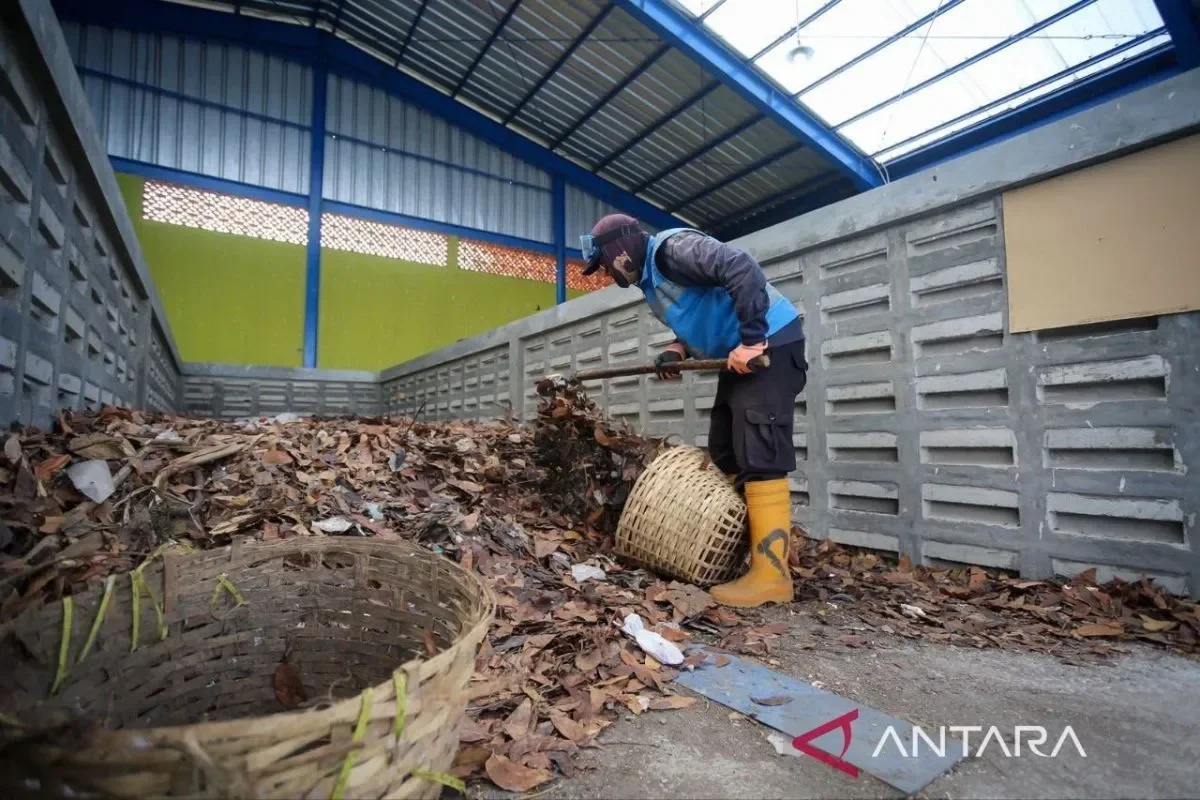
RRI.CO.ID, Bandung - The Bandung City Administration has partnered with the West Java Provincial Administration to pilot Refuse Derived Fuel (RDF) technology to convert low‑value inorganic waste into an alternative fuel. The innovation will be integrated into the development of 220 local waste‑processing sites, which are targeted to cut waste generation by up to 250 tons per day.
Head of the Waste Reduction Team at Bandung’s Environment Agency, Syahriani, said the program is part of a transformation of the city’s waste management system. Under the program, the old collect‑transport‑dispose model will shift to on‑site processing at the source.
“Building up to 220 waste‑processing sites is not merely adding infrastructure, but creating a more independent and sustainable waste‑management ecosystem. We hope each area can process most of its own waste so only residuals are sent to final disposal sites,” said Syahriani in Bandung on Thursday, 2 July 2026.
She said the administration is currently inventorying locations for the 220 processing sites across neighborhoods so residents can manage waste closer to its source. The facilities will be supported by the West Java Provincial Administration, which is supplying RDF technology currently in the trial phase.
Syahriani emphasized that the effort goes beyond infrastructure expansion to building a self‑reliant, sustainable waste‑management ecosystem.
“Waste in Bandung must be dealt with as close as possible to its source through household and neighborhood‑level processing,” she said, as quoted by Antara.
With the additional facilities, Bandung targets waste reductions of 125 to 250 tons per day. The measures are expected to extend the service life of the Sarimukti final disposal site and reduce the risk of waste accumulation.
To reach these targets, the Environment Agency will apply management approaches based on waste characteristics. Organic waste will be processed into compost or treated with organic technologies, economically valuable inorganic waste will be recycled through waste banks, and low‑value inorganic waste will be converted into alternative fuel using RDF technology.
“We aim to reduce waste by 125 to 250 tons per day. But achieving this target depends not only on technologies like RDF, but also on behavioral changes by the public in separating and reducing waste at the source,” said Syahriani. ***
News Recomendation
Loading latest news.....