



The South Sulawesi Library launches Student Goes to Archives
- 01 Jul 2026 19:37 WIB
- Voice of Indonesia
Key Points
- The South Sulawesi Archival Technical Implementation Unit has opened access to 48 historically valuable static archival collections for university students.
- The collections include colonial-era documents and regional historical records that have rarely been accessed by the public.
- The "Student Goes to Archives" program encourages students to conduct research using primary archival sources.
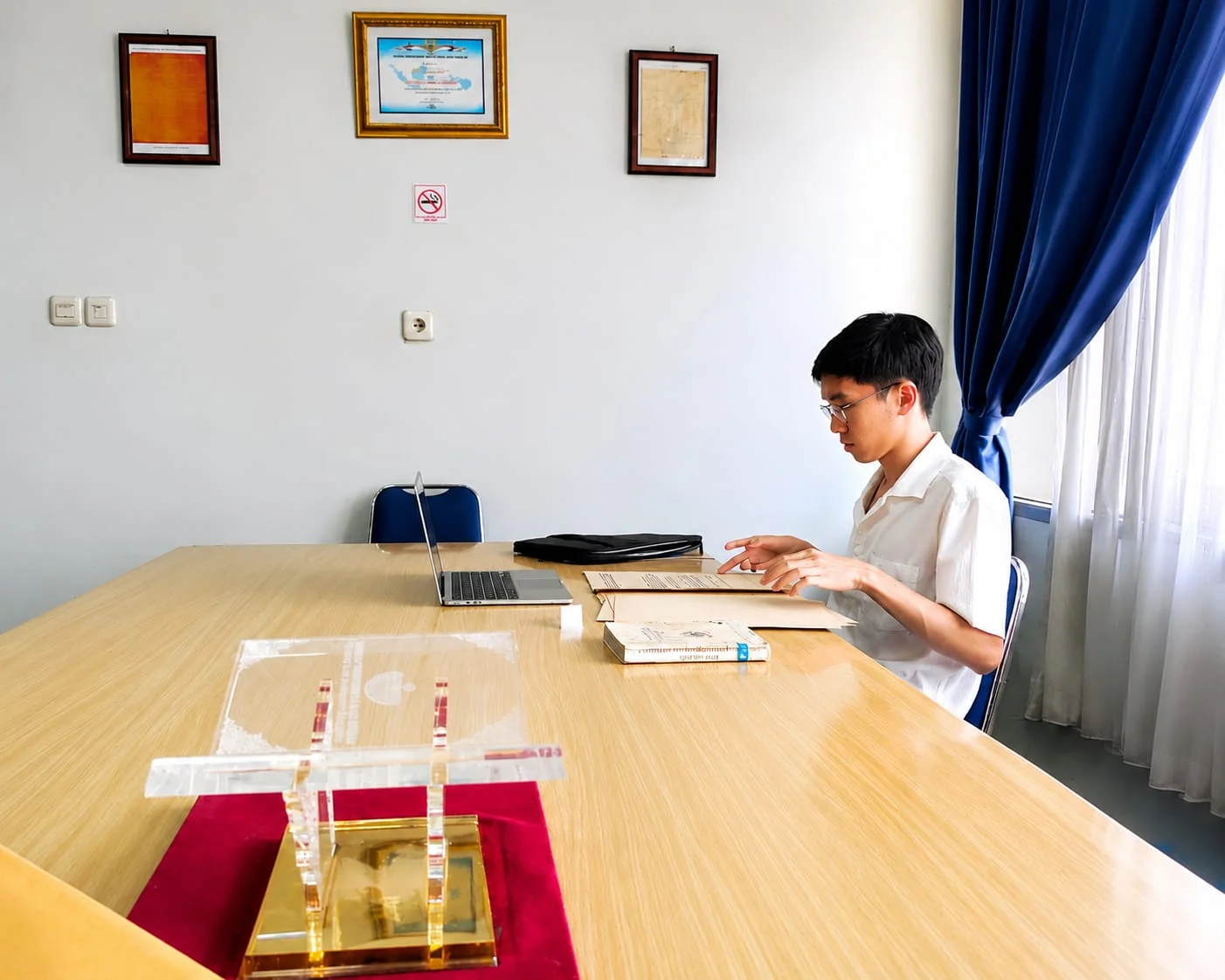
RRI.CO.ID, Makassar - Behind the secured walls of the South Sulawesi Archival Technical Implementation Unit lie 48 historically valuable static archival collections that until now have rarely been accessed by the public. Ranging from colonial-era documents to regional collective memories, these materials are now officially open to university students through the Student Goes to Archives program.
Aimed to revive history research based on primary sources, the Student Goes to Archives program encourages students to come directly to the archival institution. This approach allows them to use archives as primary-data sources while gaining an appreciation for preserving the region’s collective memory.
Acting Head of the South Sulawesi Library and Archives Agency, Muhammad Jufri, said the concept was changed to preserve the archives’ authenticity as original documents. For that reason, the historical records cannot be moved out of their storage rooms.
"Originally our concept was Archives Goes to Campus, but we changed it to Student Goes to Archives because archives must not be taken out," he said, as quoted by Antara.
He added that archives should remain in their storage locations so their authenticity is protected and they are not damaged by frequent handling or removal.
Under this scheme, students are encouraged to visit the Archival Technical Implementation Unit to use the archival collections as primary research sources.
The Agency currently manages 48 historically significant static archival collections that are available for research, education, and public literacy activities in accordance with service procedures.
Jufri urged stronger collaboration between government, universities, and community groups to increase the use of archives as scientific information sources for lecturers, students, researchers, and the public.
"Campuses have lecturers, researchers, students, and academics who need primary data. Archives are among the most authentic sources for preparing undergraduate theses, master’s theses, dissertations, and historical research," he said. ***
News Recomendation
Loading latest news.....