



Bali Trial Exposes Dubai-Linked Online Gambling Syndicate
- 01 Jul 2026 08:11 WIB
- Voice of Indonesia
Key Points
- Thirty-five Indian nationals are on trial for allegedly operating a Dubai-based online gambling network from villas in Bali.
- Authorities say the syndicate targeted overseas gamblers while using Bali as an operational base, with members serving as deposit, withdrawal, and marketing operators.
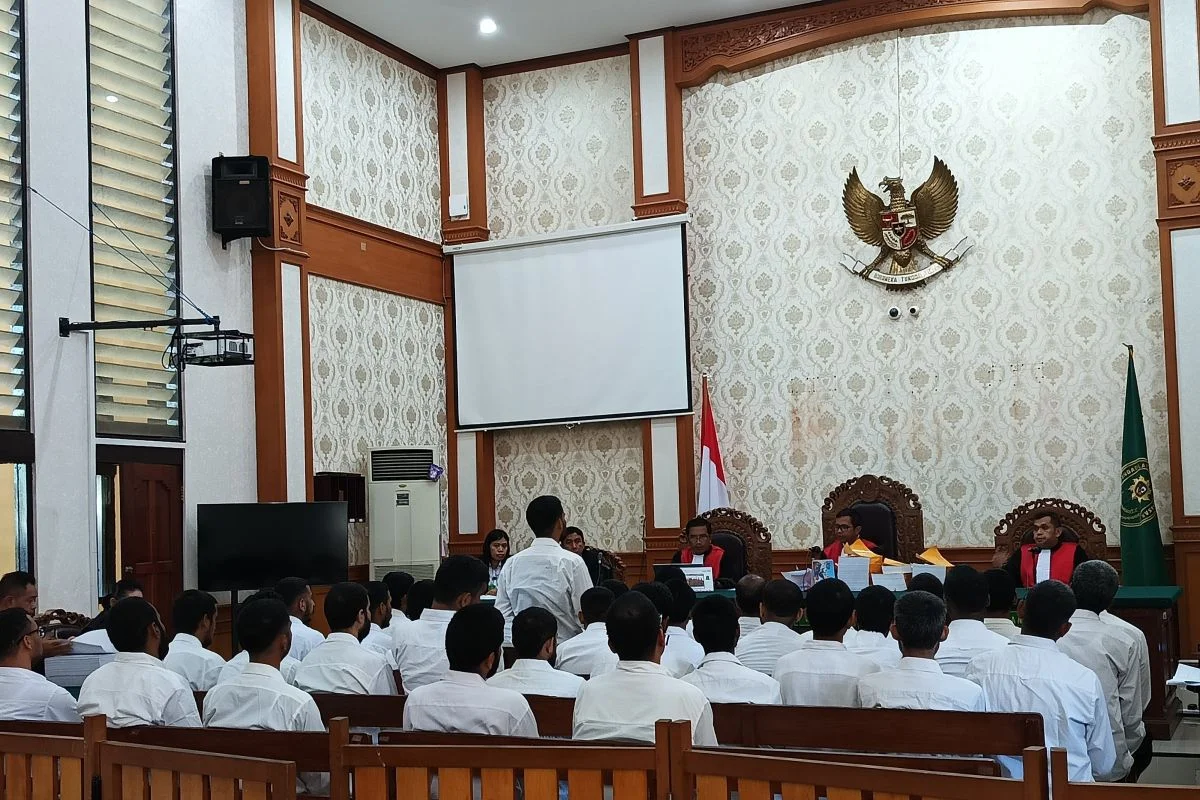
RRI.CO.ID, Denpasar - The transformation of luxury holiday villas in Bali into remote operational command centers for international cybercrime syndicates came into sharp focus on Monday, June 29, 2026, as 35 Indian nationals stood trial for running a sophisticated online gambling ring.
The prosecution's case highlights a deeply concerning trend where offshore gambling enterprises, particularly those headquartered in Dubai, are relocating their operations to Indonesian resort islands to evade foreign law enforcement, exploiting local tourist infrastructure to set up digital betting shopfronts.
Appearing before the Denpasar District Court, Badung Prosecutors, led by Public Prosecutor Ni Made N. Lumisensi, formally read out the indictment sheets mapping the syndicate's highly structured cross-border footprint.
"The defendants are suspected of jointly offering online gambling opportunities to the public and making it a livelihood," Lumisensi said, as quoted by Antara.
The ring’s operations unraveled in early February 2026 after the Bali Regional Police’s Cyber Crime Directorate flagged a suspicious Instagram account, @ekdant_book, which was aggressively marketing online betting portals via Indian telephone country codes. Cyber investigators successfully traced the digital signatures to a villa located on Jalan Subak Daksina in Tibubeneng, North Kuta, a bustling tourism hub.
During a coordinated raid on February 3, 2026, tactical officers arrested 17 Indian nationals caught red-handed operating corporate digital equipment. According to the indictment, the operation was structured similarly to a corporate call center.
Under the supervision of a coordinator identified as PS, who procured the hardware, mobile networks, and logistical assets, the personnel were neatly compartmentalized into deposit handlers, withdrawal administrators, and social media marketers.
"The search revealed that the defendants worked managing electronic gambling websites with various duties. Some served as deposit operators, withdrawal operators, and some promoted online gambling games to the general public," the prosecutor explained during the hearing.
A subsequent spillover investigation led authorities to a second location on Jalan Raya Munggu in Kediri, Tabanan Regency, where an additional 18 Indian nationals were rounded up for maintaining identical digital infrastructure.
The dual-villa operation reportedly managed at least seven distinct online gambling websites. Interestingly, while the infrastructure was anchored in Indonesia, the target consumer market remained predominantly overseas, with all financial transactions strictly processed in Indian Rupees (INR).
Punters were required to deposit a minimum of INR 100 (IDR 18,751) up to a maximum cap of INR 50,000 (IDR 937,945), which the digital operators then converted into virtual betting coins.
"One coin is equal to one rupee. These coins are then used to place bets on the various games available," Lumisensi added.
The prosecution revealed that the entire Bali network was a subsidiary of a massive parent syndicate based in Dubai. The defendants, many of whom were chronically unemployed in their home cities, were formally recruited by the Dubai corporation and flown to Bali under the guise of tourism.
For their roles, the operators were paid a monthly salary ranging from Rp5 million to Rp8 million, wired directly from Dubai accounts to the defendants' private cards. None of the entities possessed valid operating permits from the Indonesian government to administer gaming services.
The 35 defendants face severe prison sentences under the newly implemented legal code, specifically Article 426 Paragraph (1) Letter (a) of Law No. 1/2023 on the Criminal Code (KUHP) in conjunction with Law No. 1/2026 on Penal Adjustments. Prosecutors have also leveled alternative charges under Article 426 Paragraph (1) Letter (b) of the same statutes to ensure a airtight conviction. ***
News Recomendation
Loading latest news.....