



Indonesia Maps Out Energy Transition Based on Regional Characteristics
- 26 Jun 2026 16:22 WIB
- Voice of Indonesia
Key Points
- Indonesia is customizing its clean energy development by matching each region's unique resources, such as using geothermal energy in Sumatra and hydro power in Eastern Indonesia.
- This tailored approach helps protect Indonesia's energy supply from global conflicts while working to make sure all provinces get fair access to renewable energy.
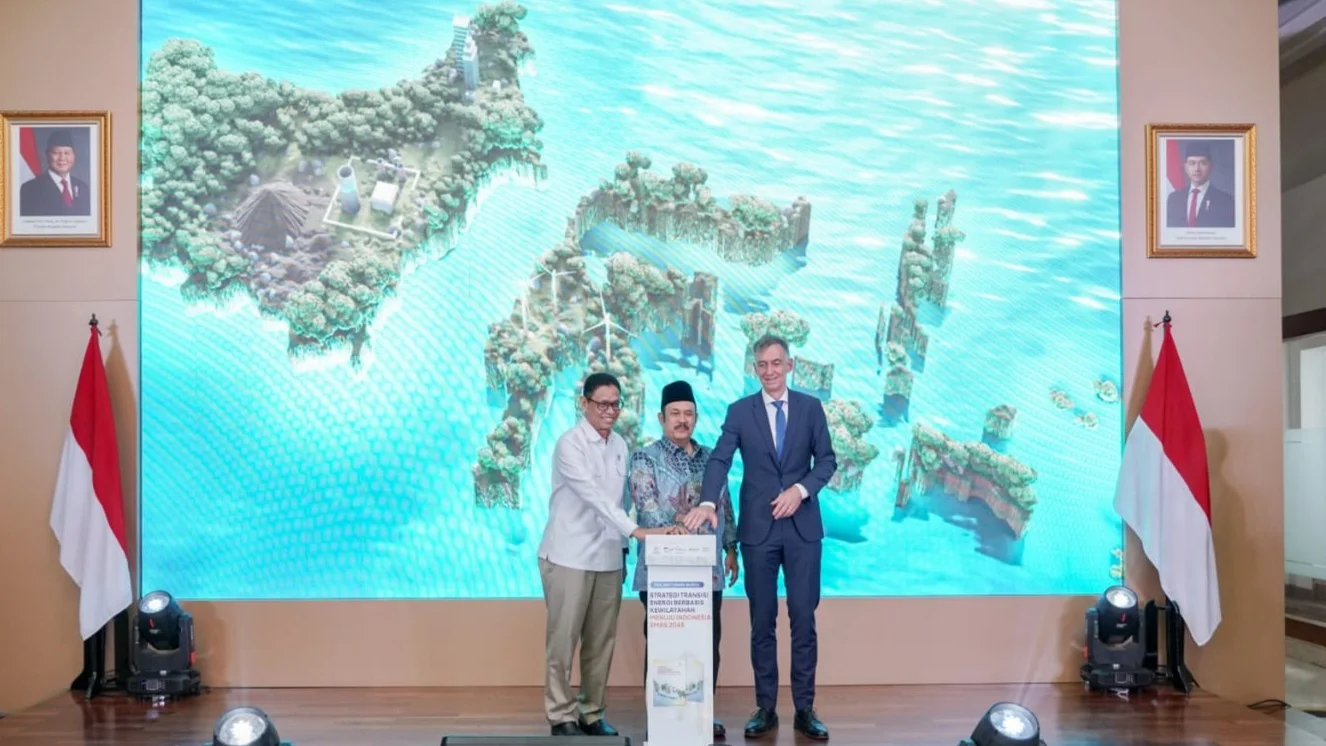
RRI.CO.ID, Jakarta – The government is promoting a diversified energy transition across Indonesia. Through a regional-based strategy, each region will be guided to develop clean energy in line with its potential and characteristics, ranging from geothermal energy in Sumatra to hydro and renewable energy in Eastern Indonesia.
The Ministry of National Development Planning (PPN)/National Development Planning Agency launched the book “Region-Based Energy Transition Strategy Toward Golden Indonesia 2045” in Jakarta on Thursday, June 25, 2026. This book offers an Indonesia-centric approach to mapping energy potential in each region, ensuring that the energy transition proceeds equitably and leaves no region behind.
Minister of PPN/Head of the Agency, Rachmat Pambudy, said that the energy transition has now become a crucial part of efforts to strengthen national energy independence and sovereignty. According to him, this step is becoming increasingly urgent amid global geopolitical tensions and disruptions in the energy supply chain. However, Rachmat emphasized that the energy transition strategy cannot be applied equally.
“We hope that each region, with its distinct characteristics, will also have a distinct strategy, and this is something we must not standardize. Therefore, we must build new economic strengths based on specific regional potentials, ranging from geothermal reserves in Sumatra, low-carbon industries in Java and Bali, green industrial ecosystems in Kalimantan, downstream processing of critical minerals in Sulawesi, to the massive hydro and renewable energy potential in the Nusa Tenggara, Maluku, and Papua regions,” Rachmat said.
This region-based approach is also considered crucial for addressing the challenge of energy equity. Vice Minister of Energy and Mineral Resources, Yuliot Tanjung, stated that the government still faces a major task in ensuring energy equity across all regions.
He explained that the Ministry has outlined steps through the National Energy Master Plan (RUEN). In this plan, each province’s energy potential and consumption needs serve as the foundation for developing energy transition strategies.
Yuliot said, “The RUEN approach includes four main strategies for the energy transition, encompassing energy availability potential based on region. Each province has very distinct characteristics, both in terms of the energy consumption profiles of its residents and industries, as well as the profile of its renewable energy resources. A province-by-province approach ensures that no region’s potential is overlooked.”
Indonesia’s efforts to accelerate the utilization of renewable energy have also received support from international partners. German Ambassador to Indonesia Ralf Beste, who attended the book launch, stated that Germany is committed to supporting Indonesia’s energy transition through the Just Energy Transition Partnership.
This support has been demonstrated, among other things, through the construction of green infrastructure projects worth 700 million euros over the past six months. Germany is also collaborating through the Deutsche Gesellschaft für Internationale Zusammenarbeit (GIZ) GmbH to help overcome policy barriers while promoting the development of energy innovations at the local level.
News Recomendation
Loading latest news.....