



East Kalimantan Guards Quality of Freshwater Fish Farming
- 25 Jun 2026 15:29 WIB
- Voice of Indonesia
Key Points
- East Kalimantan Provincial Administration prioritizes strengthening local fish farmers.
- Marine and Fisheries Agency (DKP) delivers guidance and mass certification to 95 aquaculture groups.
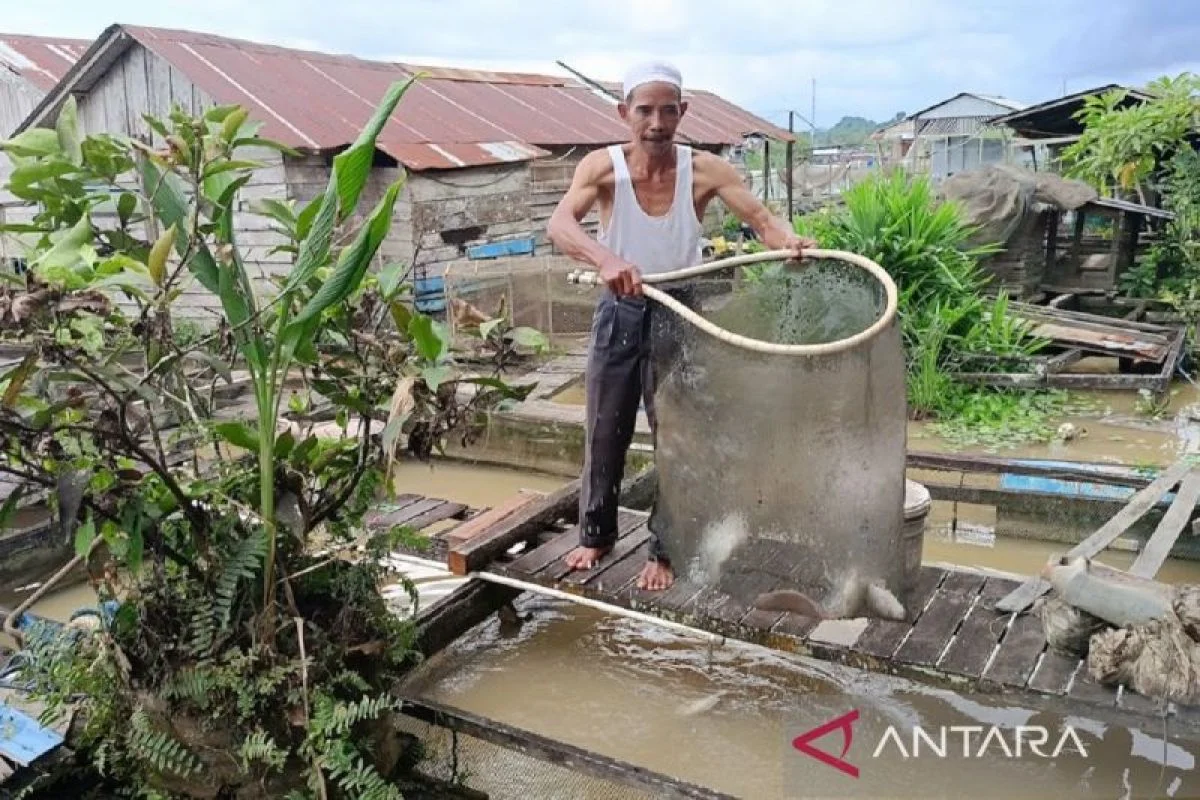
RRI.CO.ID, Samarinda - Strengthening the capacity of local fish farmers is a top priority for the East Kalimantan Provincial Administration to sustain the inland fisheries sector. Through the Provincial Marine and Fisheries Agency (DKP), guidance and mass certification programs are being actively delivered to 95 aquaculture groups so they can produce hygienic, contamination-free freshwater fish with higher market value.
“Certification for fish farmers is a focal point in efforts to improve quality and ensure sustainable fisheries management in East Kalimantan,” said Head of the Aquaculture and Fisheries Product Competitiveness Division at East Kalimantan DKP, Irma Listiawati, in Samarinda, on Wednesday, 25 June 2026.
According to the province’s freshwater aquaculture data for the past year, combined production from floating cages and freshwater net cages recorded the largest harvest, reaching 93,165 tonnes. That figure was dominated by floating-cage production of 92,525 tonnes, mainly contributed by Kutai Kartanegara Regency, while freshwater net-cage methods added 639 tonnes from nine other regencies or cities.
Meanwhile, total fish harvested from still-water ponds across ten areas in East Kalimantan reached 6,353 tonnes, with Kutai Kartanegara again the top producer.
Overall, the use of floating cages, net cages and still-water ponds forms the backbone and largest share of freshwater aquaculture production in East Kalimantan.
“We do not focus solely on production volumes, guidance is also directed at fish quality to ensure regional food safety and the sustainability of farming,” said Irma, as quoted by Antara.
The provincial administration emphasizes sanitary standards and protection of waterbodies from contamination as key instruments for maintaining the quality of farmed freshwater fish. In applying technical good-practice guidelines, the use of medications in ponds must comply with regulations and not violate feed standards.
Ensuring legal compliance and product quality goes beyond issuing documents; it is accompanied by sustained field assistance. “By choosing certified products, consumers can be confident that the fish they consume are safe and of good quality,” she said.
This quality-assurance and mentoring strategy targets some 95 community-based fish-farming groups that continue to receive intensive guidance from East Kalimantan DKP. ***
News Recomendation
Loading latest news.....