



InJourney to Develop Four Airports This Year, Including Minangkabau
- 18 Jun 2026 21:05 WIB
- Voice of Indonesia
Key Points
- InJourney is advancing development projects at four major Indonesian airports in 2026, which are Ngurah Rai, Soekarno-Hatta, Minangkabau, and Depati Amir.
- The upgrades are part of the company's broader airport transformation program focused on improving passenger experience and service quality.
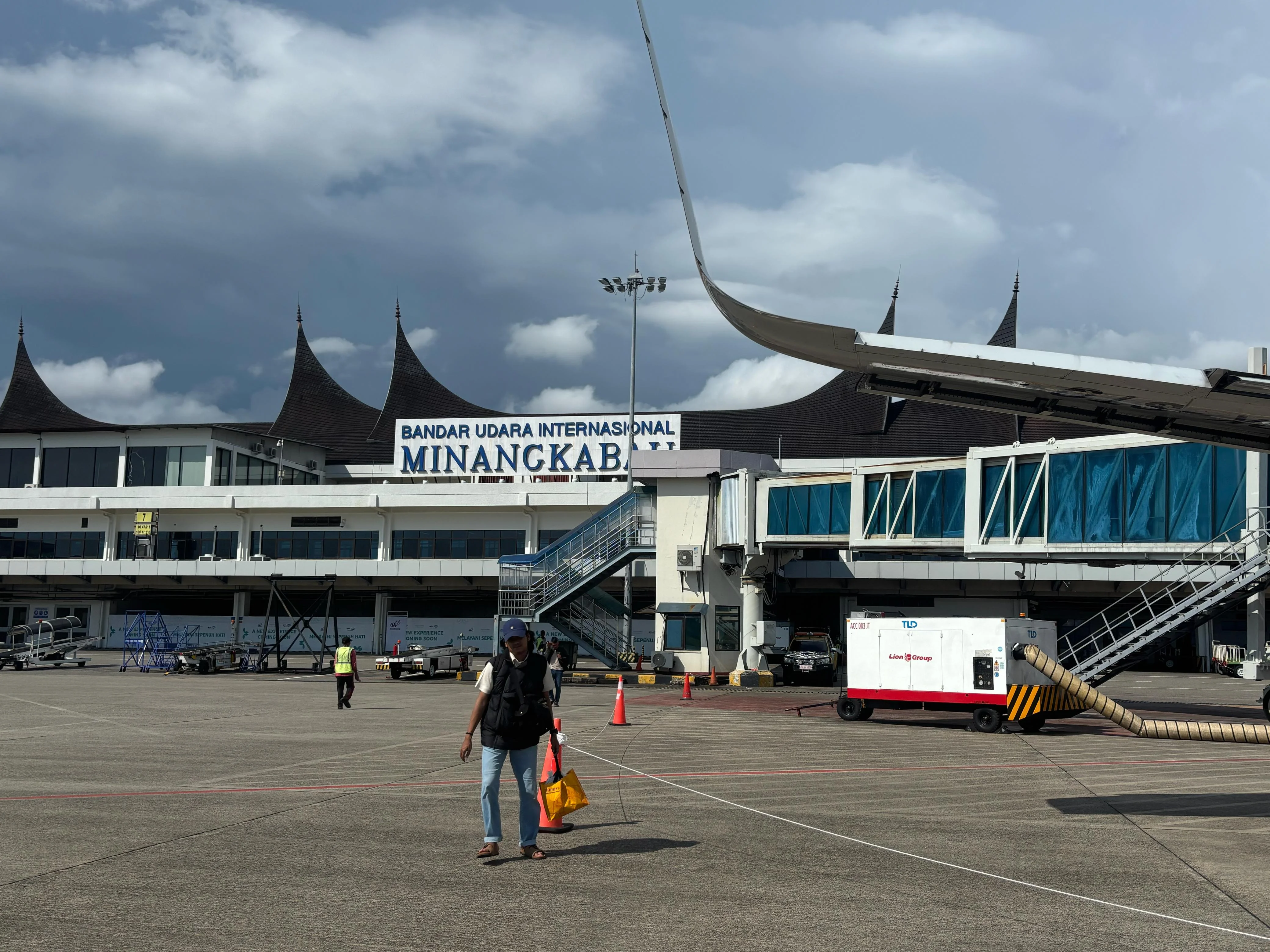
RRI.CO.ID, Padang — As air travel rebounds, state airport operator InJourney is focusing on passenger experience rather than capacity alone. This year, the company is advancing development projects at four major Indonesian airports, which are I Gusti Ngurah Rai (Bali), Soekarno‑Hatta (Tangerang), Minangkabau (Padang), and Depati Amir (Pangkalpinang).
“This year we continue development programs at four airports as part of premises transformation,” said InJourney Airports CEO, Mohammad R. Pahlevi, in Padang, West Sumatra, on Thursday, June 18, 2026.
Pahlevi described the transformation as an ongoing process of incremental improvement aimed at raising service standards for visitors and airline passengers. He said the focus on infrastructure and physical facilities is deliberately customer‑experience driven, with upgrades designed to set new benchmarks for other airports to emulate.
“Services at the two busiest airports can become a standard for other airports. The development is carried out to improve service and comfort, as well as meet global standards so that it can raise the position of these two airports in the list of the world’s top 100 airports,” he explained, as quoted by Antara.
At I Gusti Ngurah Rai, development this year concentrates on the passenger terminal to push capacity to 32 million passengers per year following earlier land‑side improvements. Works include optimizing departure piers (Gates 1–9) with a connecting pier, upgrading landscaping and boarding seating, expanding and beautifying public facilities, and revitalizing semi‑outdoor commercial areas, check‑in zones, and departure gates.
A connecting bridge between the domestic and international terminals is also under construction. “This shortens check‑in time,” said Pahlevi.
Soekarno‑Hatta’s program will continue with Terminal 3 beautification and the revitalization of Terminal 1A. The Terminal 3 works cover commercial façade upgrades in the departure area, boarding gate interiors, check‑in interiors, and public toilets at departures and arrivals. Additional amenities for the international boarding lounge, including a game corner, are planned.
After revitalization, Terminal 1A’s capacity will grow from 5.7 million to 10 million passengers per year, with check‑in counters increasing from 25 to 36 and conveyor belts at baggage claim rising from five to seven units. Commercial space will expand from about 4,400 to 6,300 square meters.
In Padang, Minangkabau Airport will see a new terminal of around 47,000 square meters capable of handling 5.7 million passengers per year, a significant jump from the previous 2.7 million capacity. Plans include expanded domestic and international arrivals areas, boarding lounges, commercial areas, and terminal landscaping.
Depati Amir Airport in Pangkalpinang will undergo terminal expansion to 30,000 square meters, increasing capacity from 1.5 million to 3 million passengers annually. Upgrades there include larger check‑in areas, curbside reconfiguration, added security checkpoints, expanded commercial zones, refreshed terminal landscaping, and interior beautification across the facility.
Pahlevi said improvements at Soekarno‑Hatta and Ngurah Rai are intended to establish service standards that other airports can implement. Meanwhile, the projects at Minangkabau and Depati Amir aim to deliver modern, customer‑focused infrastructure outside the country’s busiest hubs.
InJourney, which manages 37 airports, affirmed its commitment to raising service quality across its network. ***
News Recomendation
Loading latest news.....