



Central Papua Waives Junior High Fees to Expand Free Education
- 24 Mei 2026 22:49 WIB
- Voice of Indonesia
Key Points
- Central Papua has waived tuition and school fees for all 42,500 public and private junior high school students in 2026.
- Free schooling cannot yet be extended to elementary schools (SD) because the regional database contains unresolved discrepancies.
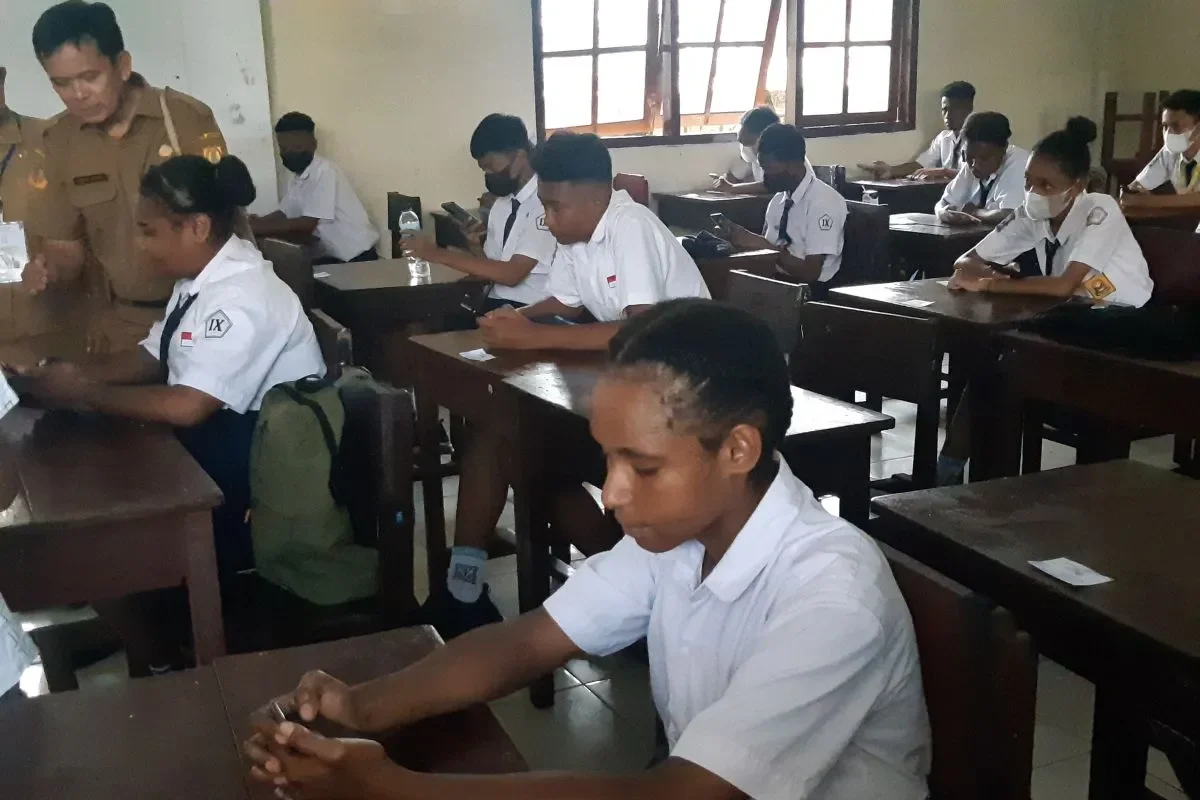
RRI.CO.ID, Nabire - Thousands of junior high school students across Central Papua Province will no longer pay school fees starting this year, as the regional administration widens a free education initiative that previously covered only senior high school level.
Central Papua Governor, Meki Nawipa, announced the policy on Sunday, May 24 2026, in Nabire, framing it as a cornerstone of the province's human resource development agenda. The scheme covers all state and private junior high schools across the province, which enrolls approximately 42,500 students at that level.
"This year we will waive education fees for all junior high schools in Central Papua," said Governor Meki Nawipa, as quoted by Antara.
He drew a firm line against any attempt to circumvent the policy, warning that school staff who continue collecting fees from students will face legal consequences. "There should be no more reasons for children in Central Papua not to go to school," he added.
The move follows last year's rollout of fee waivers at the senior high school level, signaling a deliberate step-by-step approach to universal basic education in the province. In parallel, the provincial administration has continued a scholarship program for university students in Nabire Regency, targeting those in their third and fourth semesters with a minimum cumulative grade point average of 2.75.
Free primary school education, however, remains out of reach for this year. The governor cited unresolved issues with the national Basic Education Data system (Dapodik) as the reason for the delay.
"We must first ensure the Dapodik data for elementary schools in Central Papua is in order," said the Governor.
That data system has itself become a source of concern. According to Central Papua's Education and Culture Agency data, the province currently has 112,000 elementary school students, alongside 42,500 junior high, 19,800 senior high, and 11,400 vocational high school students across public and private institutions.
The head of the data division at Central Papua's Education and Culture Agency, Yulianus Kuayo, acknowledged that discrepancies between Dapodik records and actual student numbers have been found, particularly at the elementary level.
"At the primary level, for example, during examinations the number of students is small, but in Dapodik the recorded number is much higher," said Yulianus.
He said the anomalies point to deliberate data manipulation, including the use of invalid national identity numbers (NIK) by certain school operators. In response, the office is tightening its data validation process and preparing to recommend sanctions against schools found to have mismanaged School Operational Assistance (BOS) funds.
"If discrepancies are found, we will recommend to the subdistrict administration that sanctions be imposed, up to and including the revocation of the school's national registration number," said Yulianus.
The dual announcement, expanded free schooling on one hand, and a tougher stance on data fraud on the other, reflects the province's broader effort to build an education system that is both accessible and accountable. ***
News Recomendation
Loading latest news.....