



Talas Beneng, Giant Yellow Taro from Banten, Nears Geographical Indication Status
- 23 Mei 2026 21:39 WIB
- Voice of Indonesia
Key Points
- Talas beneng, a giant yellow taro from Pandeglang’s Mount Karang slopes, is pursuing Geographical Indication (GI) status to protect its regional reputation.
- Talas beneng has become a leading agricultural product exported to the Netherlands, Australia, and New Zealand, with volumes reaching hundreds of tons per month.
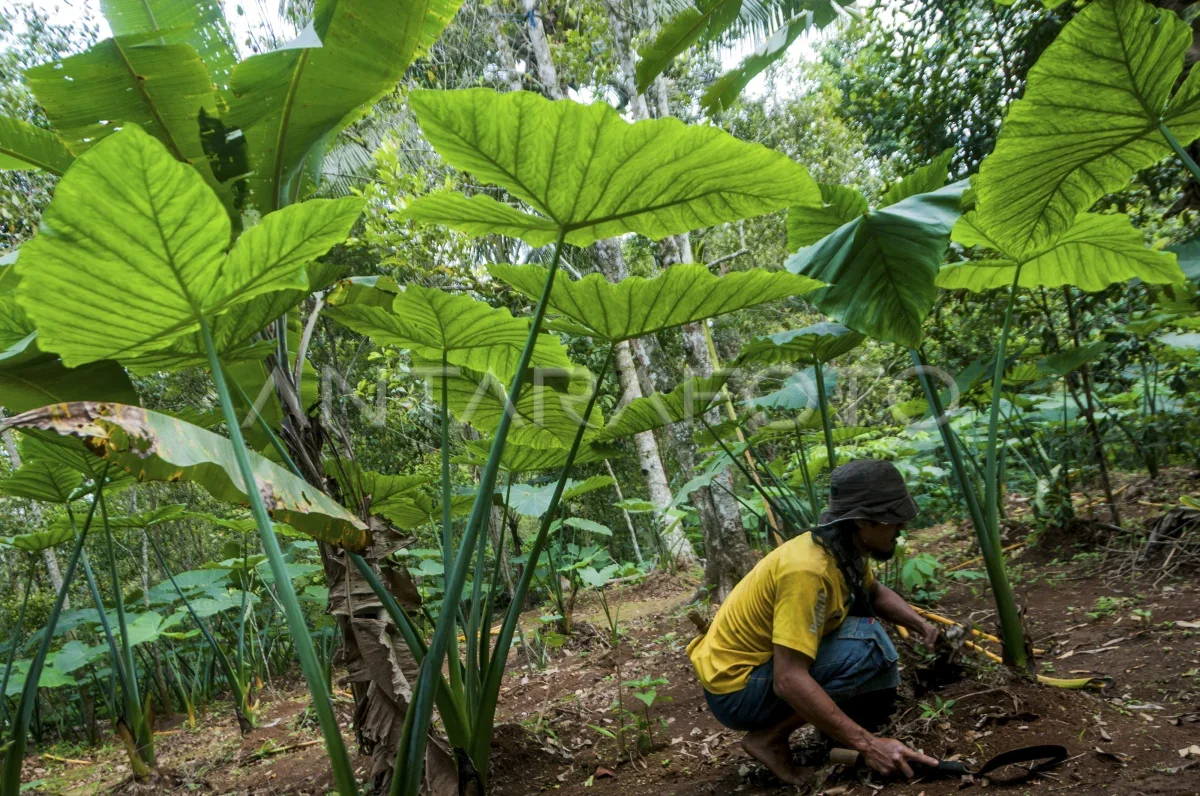
RRI.CO.ID, Banten - A giant yellow taro native to Pandeglang, Banten, known locally as talas beneng, is moving closer to Geographical Indication (GI) status, a legal protection for regional specialties. The designation is seen as crucial for safeguarding authenticity, quality, and reputation, while strengthening talas beneng’s position in global markets.
Protecting local products with Geographical Indications not only benefits farmers and businesses in Pandeglang, but also prevents counterfeiting and misuse of names that could harm consumers and local communities.
Talas beneng grows in the Mount Karang area of Pandeglang Regency. Its name, beneng, comes from the Sundanese words besar (large) and koneng (yellow), referring to the size and color of its flesh.
It has become a leading agricultural product exported to countries such as the Netherlands, Australia, and New Zealand, with volumes reaching hundreds of tons per month.
The GI application process has been facilitated by the Geographical Indication Protection Society (MPIG) of the Indonesian Talas Beneng Association (TABENINDO). Since its inception, the organization has actively promoted protection to maintain talas beneng’s link to its region of origin.
To prepare the product description document required for the GI application, MPIG TABENINDO worked with the Directorate General of Intellectual Property (DJKI) and other stakeholders to comprehensively document the characteristics of talas beneng.
Director General of Intellectual Property, Hermansyah Siregar, emphasized that GI protection is not merely an administrative formality, but a significant legal safeguard with substantial economic impact.
“Protecting geographical indications ensures Pandeglang’s talas beneng maintains its reputation, quality, and identity, strengthening competitiveness in national and international markets,” Hermansyah said on Saturday, May 23, 2026, as quoted on the directorate’s official website.
GI status will prevent misuse of product names and guarantee quality and authenticity, thereby increasing added value and competitiveness in both domestic and global markets. “GI protection benefits local farmers by adding value to their products and shielding them from misuse and counterfeiting,” Hermansyah added.
TABENINDO Chairman Dedi Muhadi said the GI application is a strategic step to ensure the sustainability of talas beneng as a superior Pandeglang product. “With geographical indication protection, we hope talas beneng will become more widely recognized, maintain quality standards, and improve the welfare of farmers and local businesses in Pandeglang,” Dedi said.
The registration process has now entered the substantive examination phase, conducted by DJKI and the Banten Regional Office of the Ministry of Law. The examination verifies the product’s unique characteristics, geographic relevance, and cultivation techniques.
If approved, talas beneng would become one of Indonesia’s first taro varieties to obtain GI status. The designation is expected to expand markets, increase sales value, and provide legal protection against unauthorized use of the name.
Beyond its economic impact, GI protection also helps preserve traditional knowledge and local culture within the Pandeglang farming community. Talas beneng is thus recognized not only as a commodity but also as part of regional cultural heritage with strategic value for economic development. ***
News Recomendation
Loading latest news.....