



Banyuwangi Mobilizes Multi-Agency Task Force to Counter Looming El Niño Threats
- 27 Apr 2026 15:43 WIB
- Voice of Indonesia
Key Points
- The BPBD Banyuwangi established a Long Drought Anticipation Task Force in response to the BMKG warning regarding the El Niño phenomenon.
- This phenomenon is expected to begin in April and peak in August and September 2026.
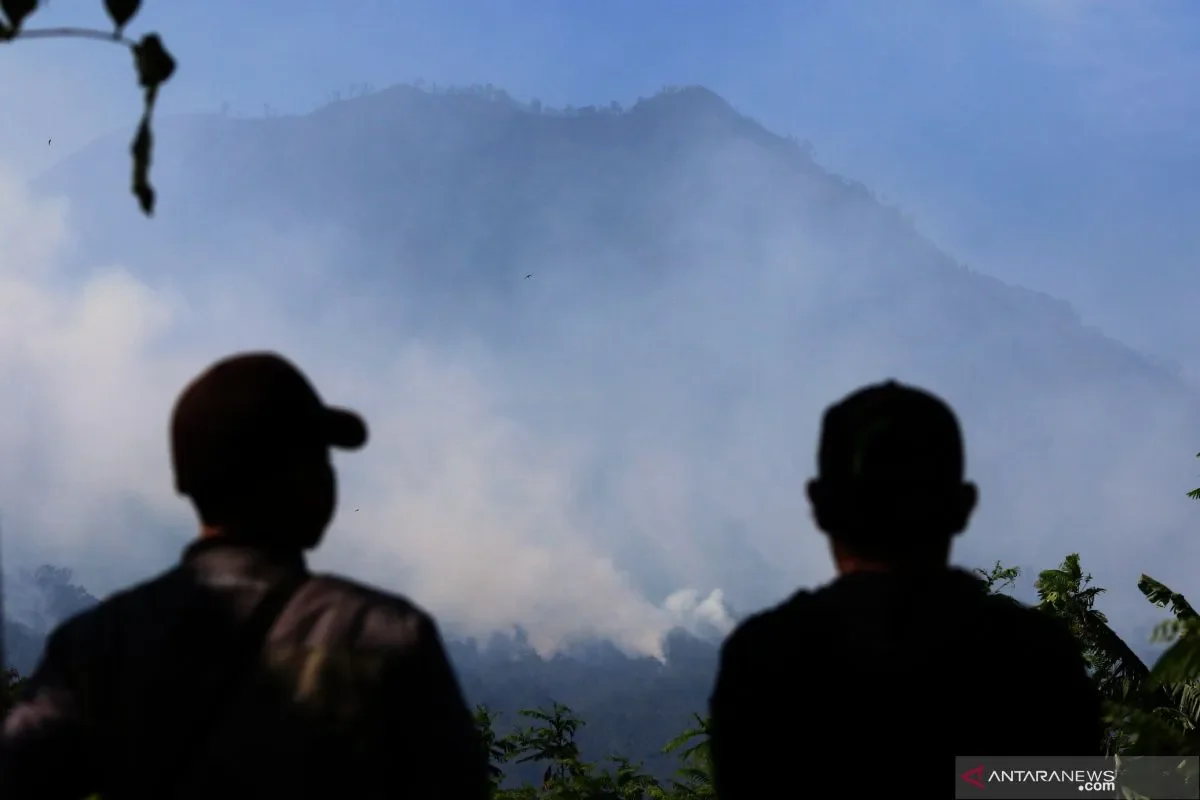
RRI.CO.ID, Banyuwangi - While heavy rains continue to trigger localized flooding across the region, the Banyuwangi Regency Administration is pivoting its focus toward a different climate threat, which is a prolonged drought driven by the El Niño phenomenon. To safeguard the region against predicted extreme temperatures and water shortages, Banyuwangi Regional Disaster Mitigation Agency (BPBD) is establishing a dedicated Long-Drought Anticipation Task Force.
This proactive mobilization follows a formal warning from the Meteorology, Climatology, and Geophysics Agency (BMKG) regarding an extended dry season expected to peak between August and September. The Chief Executive of BPBD Banyuwangi, Partana, emphasized that early intervention is non-negotiable despite hopes that the impact will be manageable.
“This step follows the BMKG’s appeal regarding the potential for a long drought. Currently, the status is still one of preparedness. If needed, the team is ready," said Partana in a press release issued on Monday, April 27, 2026.
As reported by infopublik.id, the newly formed task force represents a massive cross-sector collaboration, uniting regional agencies, the Indonesian Military and National Police, BMKG, National Search and Rescue Agency (Basarnas), and the management of Alas Purwo National Park, alongside local community volunteers.
The strategy focuses on two primary fronts, which are mitigating severe water shortages and preventing catastrophic forest and land fires. To streamline efforts, BPBD has mapped the regency into risk zones, identifying 11 high-risk subdistricts including Wongsorejo, Tegaldlimo, and Pesanggaran, while classifying others like Glagah and Kalipuro as moderate risk.
Beyond mapping clean water sources, the agency is identifying fire-prone "hotspots" within both production forests and national parks. Coordination has already scaled up to the provincial level to ensure that every institution operates within its specific mitigation authority.
Partana pointed out that while BPBD oversees the emergency response, the burden of sustainability lies with technical departments. “The primary roles lie with the Agriculture Agency, the Irrigation Agency, and the regional water utility (PUDAM) to maintain water availability and ensure the smooth distribution of clean water.”
The urgency of this preparation is underscored by a volatile climate transition. Even as the region braces for heat, it remains gripped by hydrometeorological disasters. Recent high-intensity rainfall has already caused a bridge to collapse in Sraten Village, Cluring Subdistrict, and triggered significant flooding in the Kalibaru area.
This dual-threat environment requires the task force to remain agile, balancing the immediate need for flood relief with the long-term necessity of drought resilience. ***
News Recomendation
Loading latest news.....