


How to Survive a “Godzilla El Niño”: Practical Tips for Extreme Heat and Drought
- 27 Apr 2026 11:03 WIB
- Voice of Indonesia
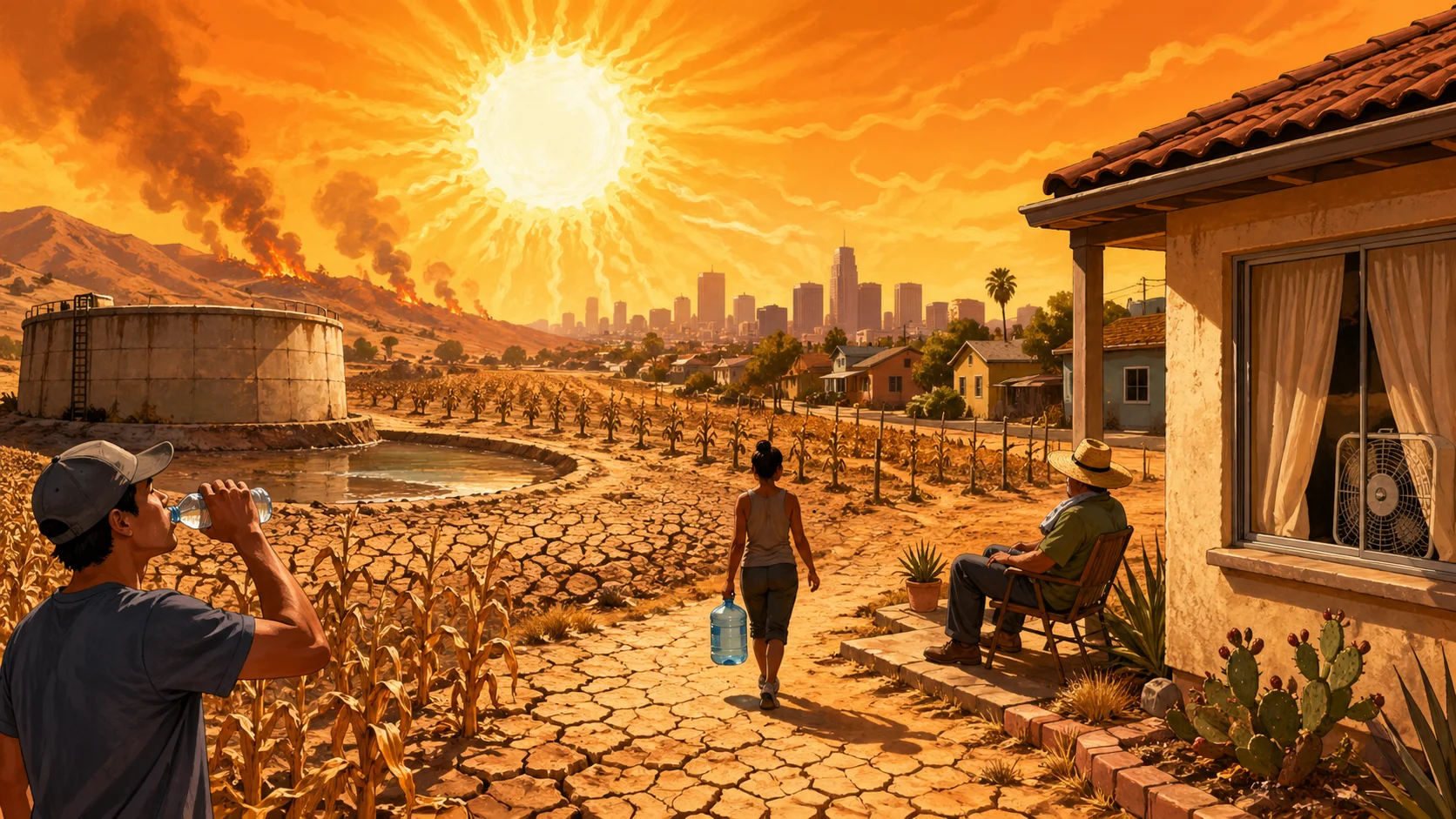
RRI.CO.ID, Jakarta - A strong El Niño event, sometimes described as a “Godzilla El Niño,” can bring prolonged dry weather, extreme heat, drought, water shortages, and a higher risk of fires. While the impact may vary from one region to another, early preparation can help families, communities, and farmers reduce potential risks.
One of the most important steps is protecting the body from extreme heat. People are advised to drink water regularly and not wait until they feel thirsty. Excessive coffee, strong tea, sugary drinks, and alcohol should be limited, as they may worsen dehydration.
Outdoor activities, especially physically demanding ones, should be reduced between 11 a.m. and 3 p.m., when temperatures are usually at their highest. Children, older adults, pregnant women, and people with chronic illnesses need extra attention during periods of intense heat.
Water conservation is also essential. Households should begin saving water before shortages occur by checking leaking pipes and faucets, reducing shower time, turning off taps while brushing teeth, and storing clean water in tightly covered containers. Safe greywater, such as water from washing rice or vegetables, can be reused to water plants.
Families are also encouraged to prepare basic emergency supplies. These may include drinking water, oral rehydration salts, personal medicines, masks, a power bank, long-lasting food, and clean water containers.
Having these items ready can make it easier to cope with disruptions caused by drought, heat, or power outages. Fire prevention must become a priority during a long dry season.
People should avoid burning trash, dry leaves, or land, and should not throw cigarette butts carelessly. In dry conditions, even a small flame can spread quickly because grass, trees, and soil lose moisture.
Keeping the home cool can also reduce health risks. Residents can open windows when the outside air is cooler, close curtains during the hottest hours of the day, reduce long use of stoves or ovens, and use fans or air conditioning wisely.
It is also important to recognize signs of heat-related illness. Severe dizziness, extreme weakness, confusion, nausea, very hot skin, lack of sweating, or fainting may indicate heat exhaustion or heat stroke. Anyone experiencing these symptoms should receive medical help immediately.
For farmers and gardeners, drought preparation may include using mulch to keep soil moist, watering plants in the morning or late afternoon, choosing drought-resistant crops, and prioritizing water for productive plants. They should also monitor official weather updates and follow guidance from local authorities.
The main message is simple: save water early, reduce heat exposure, prepare emergency supplies, and adapt before conditions become critical. Early action can help communities stay safer and more resilient during an intense El Niño season.
News Recomendation
Loading latest news.....