



Yogyakarta’s ‘Kelangan Bondo’ Philosophy, as a Global Recovery Model
- 16 Apr 2026 14:59 WIB
- Voice of Indonesia
Key Points
- The Kelangan Bondo philosophy (losing wealth is losing nothing) served as a psychological shield, allowing the community to prioritize collective recovery over individual material loss.
- This collective consciousness sparked a unified awakening that enabled rapid mobilization of local labor and materials, accelerating the restoration of livelihoods.
- The 2006 earthquake remains one of Indonesia's deadliest disasters, claiming over 5,700 lives and causing IDR 29.1 trillion (USD 1.7 billion) in economic losses.
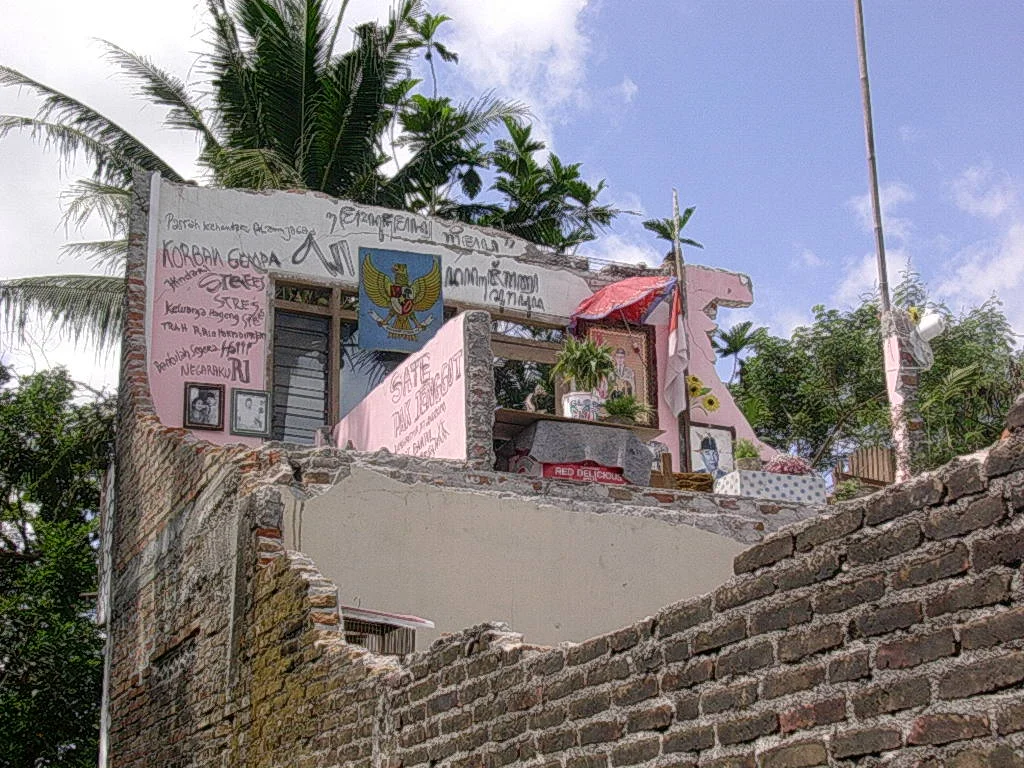
RRI.CO.ID, Jakarta - The extraordinary recovery of Yogyakarta following the devastating 2006 earthquake is being hailed as a global benchmark for disaster resilience, driven not just by financial aid but by a profound cultural philosophy known as Kelangan Bondo (loss of propherty).
Speaking at a seminar commemorating the 20th anniversary of the disaster in Jakarta on Thursday, April 16, 2026, experts highlighted how traditional Javanese values transformed a traumatized population into active subjects of reconstruction. A teacher of Geological Disaster Management at UPN Veteran Yogyakarta, Eko Teguh Paripurno, explained that the core of this resilience lies in the principle kelangan bondo podo karo ora kelangan opo-opo, which translates to "losing wealth is the same as losing nothing."
This mindset effectively shielded the community from prolonged psychological trauma, allowing them to view the loss of material possessions as a surmountable trial rather than a terminal tragedy.
"Mental strength is the key. The community views the loss of property as a test that can be overcome through togetherness. This philosophy became the energy for learning, development, and returning to resilience," said Eko, as quoted by Antara.
He noted that this collective consciousness sparked the gumregah movement, a conscious and unified awakening. This social shift enabled local and central governments, alongside volunteer networks, to execute progressive emergency responses and long-term recovery efforts.
This social modality allowed residents to independently mobilize local resources, including labor and materials, under government guidance to accelerate the restoration of livelihoods. Eko emphasized that these deep-seated social bonds enabled Yogyakarta to transform from a fragile post-disaster state into a proactive force in rebuilding its own territory.
The scale of the 2006 disaster was immense. Data from the National Disaster Mitigation Agency (BNPB) presented at the seminar reminded attendees that the 5.9 magnitude earthquake, which struck at 5:54 a.m. on May 27, 2006, remains one of Indonesia's deadliest events.
The catastrophe claimed over 5,700 lives, injured tens of thousands, and destroyed more than 300,000 homes. Economic losses were staggering, totaling IDR 29.1 trillion (USD 1.7 billion), with the housing sector bearing the brunt of the damage.
Despite the massive destruction, the rehabilitation process is frequently cited as one of the fastest and most successful in the world. Deputy for Systems and Strategy at BNPB, Raditya Jati, revealed that the Yogyakarta earthquake served as a pivotal turning point for national policy, leading to the birth of Law Number 24/2007 on Disaster Management. He urged other regions to study Yogyakarta’s model of building back better through community-led resilience.
This legislation shifted Indonesia’s paradigm from a purely reactive emergency response to a proactive focus on disaster risk reduction.
Today, Yogyakarta is recognized as a national "center of excellence" for disaster management due to its robust collaboration between the government, academics, and community volunteers. It was the birthplace of Indonesia's first Disaster Risk Reduction (PRB) Forum and university-based disaster study centers.
As the region marks two decades since the quake, Chief Executive of the Yogyakarta Provincial Disaster Mitigation Agency (BPBD), Agustinus Ruruh Haryata, emphasized that the anniversary must serve as more than a memorial. He called on the government, academics, and survivors to maintain a collective memory of the event to ensure that mitigation instruments in earthquake-prone zones are continuously strengthened for public safety. ***
News Recomendation
Loading latest news.....