



BPD Bali Expands Cross-Border QRIS to Target South Korean Market
- 16 Apr 2026 13:10 WIB
- Voice of Indonesia
Key Points
- Bank BPD Bali is expanding cross-border QRIS services to South Korea, pending approval from Bank Indonesia.
- The move targets growing South Korean tourist spending and strengthens Indonesia’s digital payment ecosystem.
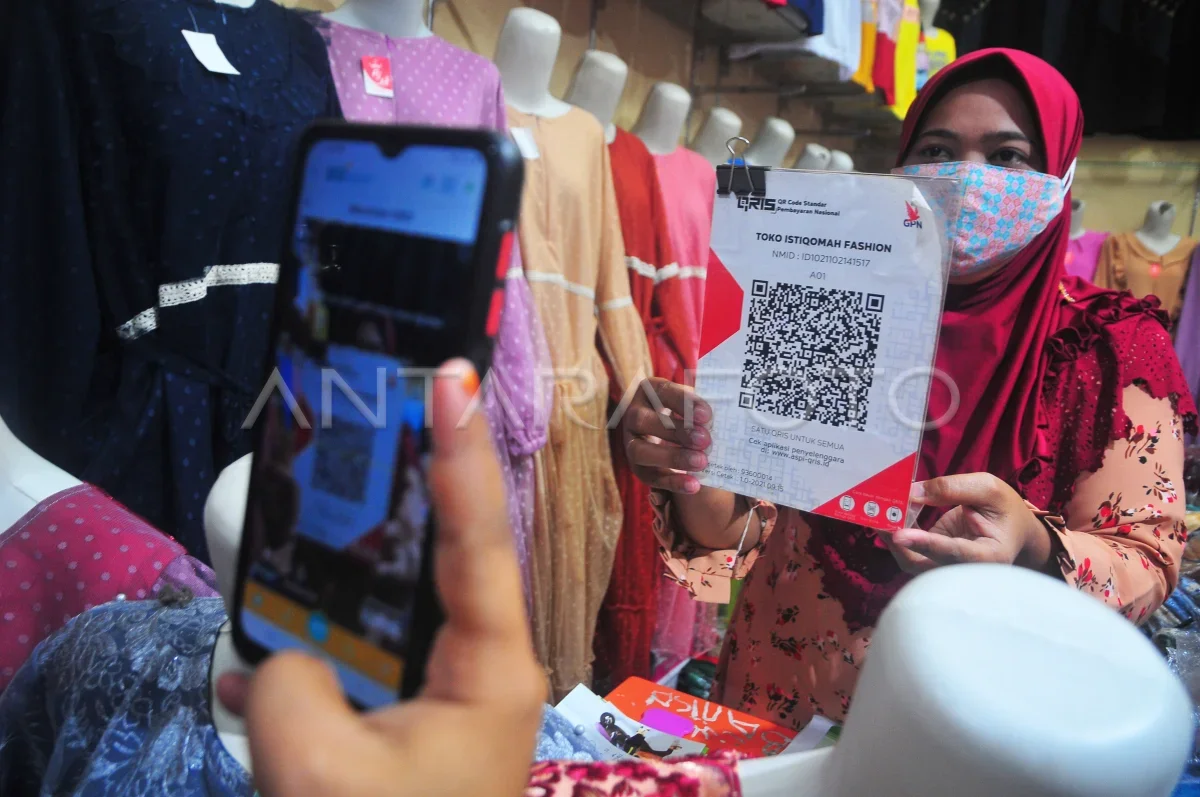
RRI.CO.ID, Denpasar - State-Owned Bank, PT Regional Development Bank (BPD) Bali is expanding its digital payment ecosystem by targeting South Korea for its cross-border QRIS (Quick Response Code Indonesian Standard) implementation. This move solidifies BPD Bali’s position as the only regional development bank in Indonesia to actively facilitate international digital payments.
President Director of Bank BPD Bali, I Nyoman Sudharma, confirmed on Thursday, April 16, 2026, that the bank is currently processing the necessary permits from Bank Indonesia. "We are currently in the process of obtaining a permit from Bank Indonesia," said Bank BPD Bali President Director I Nyoman Sudharma in Denpasar, Bali, Thursday, as quoted by Antara.
South Korea will become the fifth country in the bank’s cross-border portfolio, following successful implementations in Thailand, Malaysia, Singapore, and Japan.
| Baca juga: North Sumatra-Malaysia Deepen IMT-GT Ties |
The expansion is strategically timed to capitalize on the surge of South Korean visitors to Bali, supported by data from the Central Bureau of Statistics (BPS) showing that cumulative arrivals from South Korea reached 346,000 in 2025, representing a 4.99 percent increase from the previous year. Due to this steady growth, South Korean tourists now hold the fourth-highest position for foreign arrivals in Bali, making them a key demographic for digital payment adoption.
"The Korean central bank is actively promoting QR across borders, similar to Indonesia's QRIS. We estimate its potential is significant," Sudharma noted.
This international push mirrors Indonesia’s own efforts to build an integrated digital economy and creates a seamless financial environment for travelers from both nations.
To support this international expansion, BPD Bali is heavily investing in its Information Technology (IT) infrastructure, with a specific focus on cybersecurity and data protection. This ensures that transactions remain secure and compliant with both domestic and international financial regulations.
The broader initiative aligns with Bank Indonesia’s recent launch of the cross-border QRIS partnership with South Korea on April 1, 2026. This collaboration aims to foster a more inclusive and efficient payment system, serving as a foundation for digital economic connectivity between the two nations.
Bank Indonesia records indicate that QRIS adoption has reached 60.77 million users as of February 2026, while the performance of existing cross-border partnerships remains robust across the region. Malaysia currently leads these international efforts with 10.66 million transactions totaling Rp2.75 trillion, followed by Thailand, which recorded 1.64 million transactions worth Rp656.27 billion.
Furthermore, the data reveals a clear trend of inbound dominance, as 2025 saw 5.9 million transactions from foreign tourists using QRIS in Indonesia. This figure significantly outpaced the 1.6 million outbound transactions made by Indonesians traveling abroad, highlighting the system's growing importance in capturing international tourism spending.
BPD Bali’s expansion into the South Korean market is a prime example of localized financial agility. By being the only regional bank to compete in this space, BPD Bali is proving that local institutions can drive national digital diplomacy just as effectively as major national banks.
This move directly supports the "quality tourism" initiative by removing payment friction for one of Bali’s most consistent and high-spending tourist demographics.
Furthermore, the data regarding inbound vs outbound transactions reveals a critical economic insight: QRIS is becoming a powerful tool for foreign exchange capture. By making it easier for international tourists to spend via their domestic apps, Indonesia is effectively digitizing its "hospitality exports," ensuring that more revenue reaches local vendors and SMEs who might not have traditional credit card terminals but can easily display a QRIS code. ***
News Recomendation
Loading latest news.....