



BRIN Discovers 1.8 Million-Year-Old Fossils at Bumiayu Archaeological Site
- 07 Apr 2026 11:59 WIB
- Voice of Indonesia
Key Points
- BRIN fossil discovery at Bumiayu archaeological site highlights findings of 1.8 million-year-old remains in Central Java.
- The Bumiayu site may predate the Sangiran archaeological site, making it a major focus of prehistoric research in Indonesia.
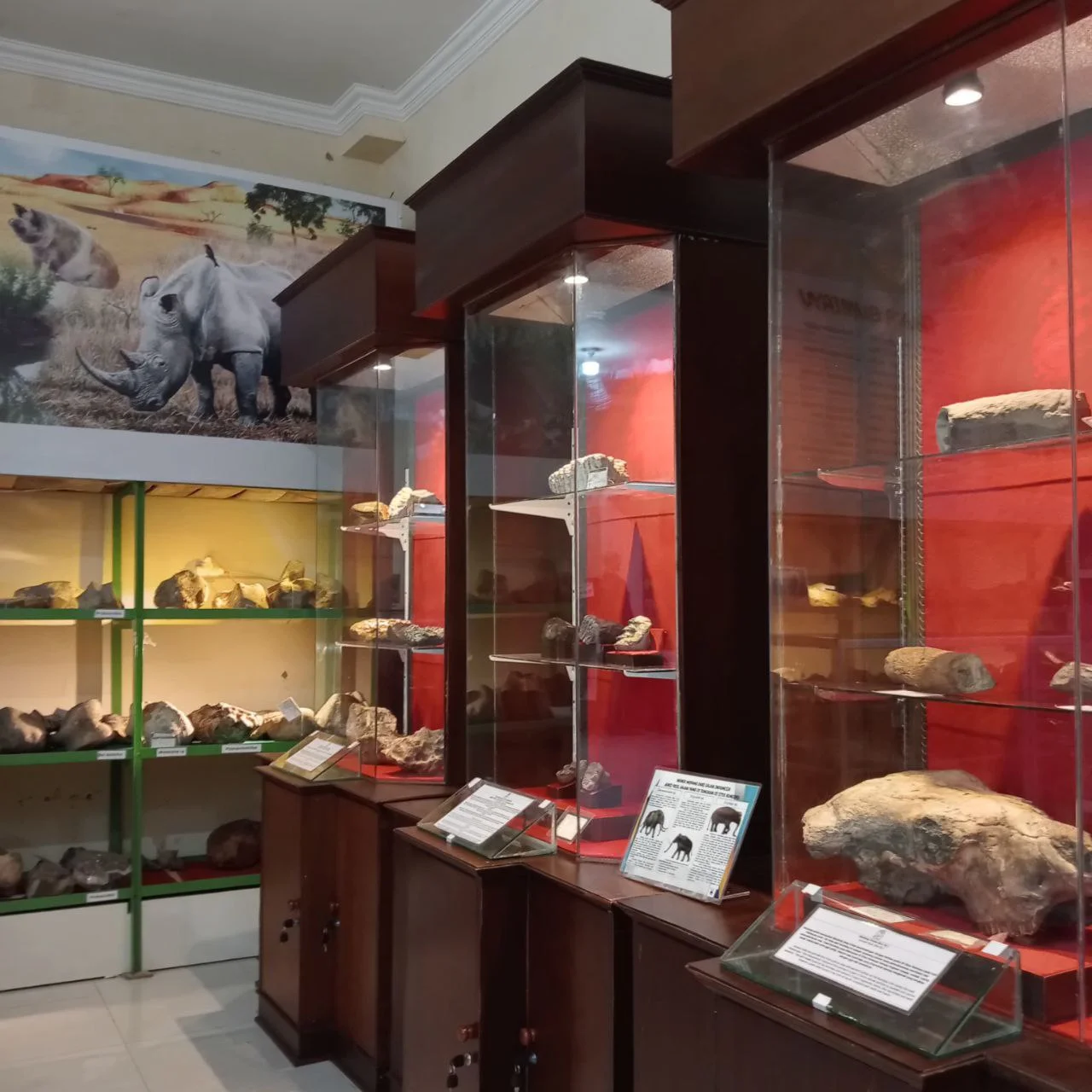
RRI.CO.ID, Jakarta - The Bumiayu archaeological site in Central Java is drawing global scientific interest following the discovery of fossils estimated to be 1.8 million years old. According to the National Research and Innovation Agency (BRIN), these findings suggest that the site may represent an even older chapter of ancient life than the world-renowned Sangiran site.
Head of the Research Organization for Archaeology, Language, and Literature (OR ARBASTRA) at BRIN, Herry Yogaswara emphasized the site's immense value during the launch of the Research and Innovation for Advanced Indonesia (RIIM) internship program on Wednesday, April 1, 2026.
Recent excavations at the Bumiayu site have unearthed a wide array of biological remains, painting a vivid picture of a prehistoric landscape in transition. The fossils discovered include large mammals such as ancient elephants and hippopotamuses, which once roamed the region during the Pleistocene epoch.
Additionally, the site has yielded significant remains of reptiles and aquatic life, including crocodiles, turtles, fish, and various mollusks. The presence of these diverse species indicates that the area was originally a shallow water environment that gradually transformed into dry land over nearly 1.8 million years.
The presence of these species indicates that the Bumiayu region was once a shallow water environment that gradually transitioned into dry land over millennia.
Beyond animal remains, researchers have recovered stone and bone artifacts used by early humans in their daily lives. These tools provide strong evidence of early human habitation in western Java during the Pleistocene epoch.
"This area holds significant value across various aspects, from geology and paleontology to paleoanthropology and archaeology," Herry said, as quoted by BRIN's official website.
BRIN aims to transform the Bumiayu Site into a premier archaeological zone through cross-sector collaboration and innovative research. By strengthening the dissemination of these findings, the agency envisions the site becoming a major educational destination that benefits both the scientific community and the general public. ***
News Recomendation
Loading latest news.....