



Kolaka Regency Targets 3,947 High-Risk Families to Eradicate Stunting
- 01 Apr 2026 19:41 WIB
- Voice of Indonesia
Key Points
- The Kolaka Regency has launched "Kolaka Keren," a program that shifts from general health interventions to a data-driven approach using "by name, by address" tracking.
- The initiative specifically identifies and assists 3,947 families at high risk of stunting across 12 subdistricts, with the highest concentration in Latambaga (821 families).
- Interventions focus on six key areas, including access to clean water, healthy latrines, and adherence to the "4T" protocol.
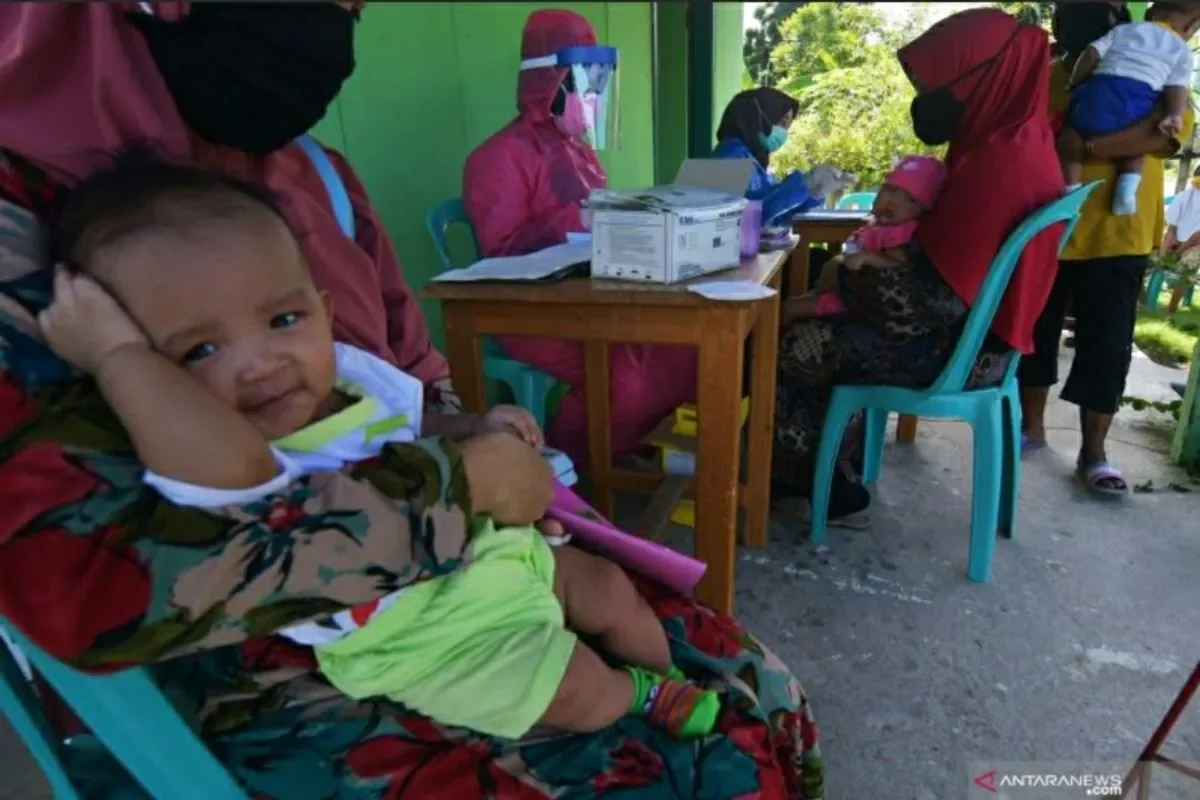
RRI.CO.ID, Kolaka - The Kolaka Regency Administration in Southeast Sulawesi has officially launched Kolaka Keren (Controlling Stunting Based on Real Risk), a program designed to utilize granular "by name, by address" data to provide direct assistance to 3,947 families identified as being at high risk.
Unlike previous broad-stroke approaches, this initiative focuses on the specific triggers of growth faltering within individual households. Head of the Kolaka Population Control and Family Planning (PP&KB) Agency, Muhammad Aris, explained that the data identifies critical risk factors ranging from maternal and child nutrition to sanitation, clean water access, poverty levels, and family parenting patterns.
“This data is used to identify primary risk factors specifically. With this approach, stunting management in Kolaka Regency becomes targeted, ensuring high-risk families receive earlier assistance,” Aris said during the launch in Kolaka, as quoted by Antara on Wednesday, April 1, 2026.
The program maps out a significant concentration of at-risk households across 12 sub-districts, with the highest numbers recorded in Latambaga (821 families), followed by Watubangga (437), and Kolaka (433).
To ensure effective intervention, the agency is monitoring six key indicators, including the availability of healthy latrines and access to clean water. They are also tracking adherence to the "4T" protocol, which discourages giving birth too young, too old, having too many children, or having births spaced too closely together.
The regency faces uphill battles beyond infrastructure, as data reveals a low exclusive breastfeeding rate of only 40 percent and a high early marriage rate touching 30 percent. Aris emphasized that the success of Kolaka Keren hinges on breaking down bureaucratic silos.
“We can no longer afford sectoral egos. We prepare the data on high-risk families by name and address to be shared across sectors. For instance, data on homes without latrines or clean water is handed directly to the Public Works Agency for immediate technical follow-up,” he noted.
To support this data-centric mission on the ground, the government has deployed approximately 600 Family Planning (KB) volunteers across all villages and subdistricts to strengthen community education. Aris expressed confidence that this measurable, risk-based intervention would lead to a significant decline in local stunting rates.
“My hope is that this management remains linear, excellent in program administration and excellent in significantly reducing stunting numbers,” he concluded. ***
News Recomendation
Loading latest news.....