



Temporary Barriers Installed Following Discovery of Megalithic Remains in Napu V
- 30 Mar 2026 08:29 WIB
- Voice of Indonesia
Key Points
- Temporary barriers secure newly discovered human remains in Napu Valley.
- Authorities consider preservation options while protecting the fragile megalithic site from damage and environmental risks.
- The human bones were found in a container that has already broken underground.
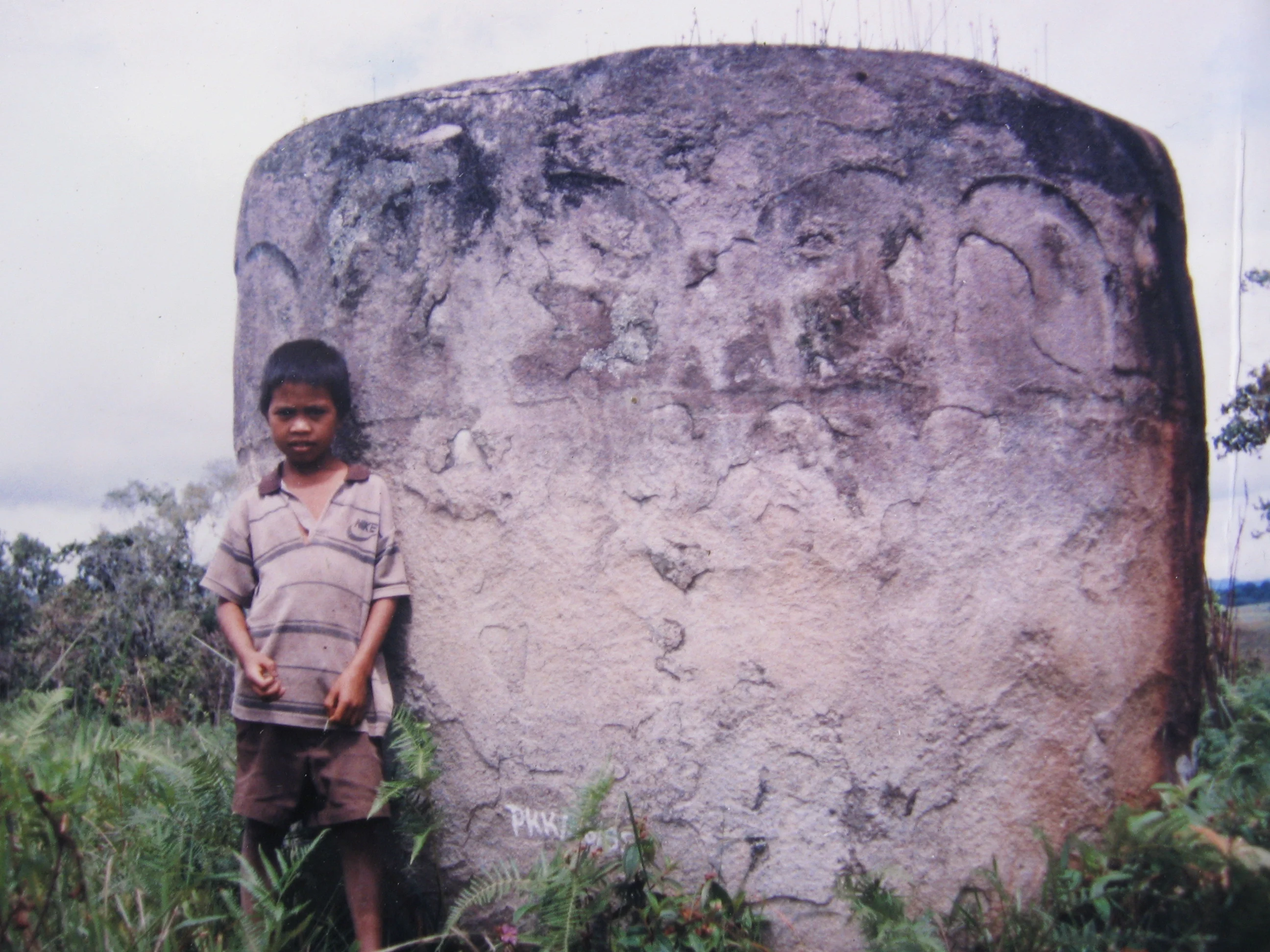
RRI.CO.ID, Palu - Cultural Preservation Center (BPKwil) Region XVIII has installed temporary cordons around a site in the Napu Valley, Central Sulawesi, following the discovery of ancient human remains. The move is a critical step in securing the site, which is part of the province's famed "Land of a Thousand Megaliths," from potential damage or interference.
Chalid, a cultural officer for BPKwil XVIII, confirmed on Sunday, March 29, 2026, that the barriers were necessary due to the exposed nature of the find.
"We installed temporary boundary fences because the discovery is in an open space," he explained from Palu, as quoted by Antara.
The skeletal remains were first identified by officials in January 2026, but evacuation has been delayed due to the site's challenging geography. The remains are currently embedded in a hillside directly adjacent to a public road, making them highly vulnerable to both human activity and natural elements.
To ensure the integrity of the find, the cultural office has deployed a dedicated preservation officer to Napu to conduct periodic monitoring and security sweeps.
Authorities are currently weighing several difficult options for the long-term management of the site to ensure the remains are both protected and respected.
One possibility is to establish an open-air museum, which would involve maintaining the remains in their original position to serve as a permanent educational display for the public. Alternatively, officials are considering relocation, which would involve moving the remains to a more secure and climate-controlled facility, such as a local museum or a dedicated government office.
However, the condition of the artifacts complicates these choices. “The human bones were found in a container (kalamba) that has already broken underground,” Chalid noted.
The fragile state of the burial vessel, combined with the high risk of landslides in the area, makes both relocation and open-air display technically difficult.
BPKwil XVIII is currently coordinating with the Poso Regency Education and Culture Office to determine the best course of action. In the meantime, officials are urging the local community to help protect the site, as it represents a vital part of Indonesia's protected megalithic heritage.
As the gateway to some of the oldest megalithic structures in Southeast Asia, the preservation of these remains is seen as essential for understanding the prehistoric civilizations that once thrived in the valleys of Central Sulawesi. ***
News Recomendation
Loading latest news.....