



Komnas HAM Urges Protection of Indigenous Rights in Papua's "Cetak Sawah" Program
- 13 Mar 2026 14:15 WIB
- Voice of Indonesia
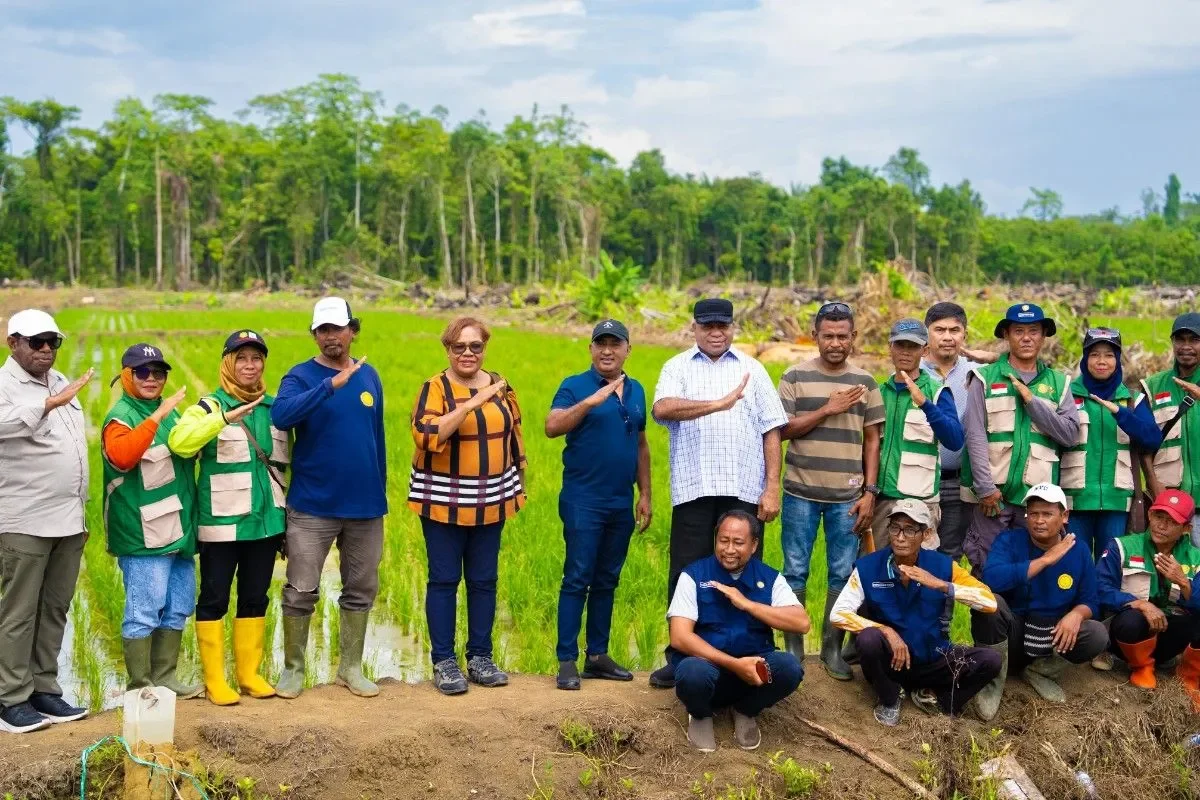
RRI.CO.ID, Jayapura - The National Commission on Human Rights (Komnas HAM) is calling for a human rights-centered approach to Indonesia’s national food security initiatives in Papua, specifically regarding the large-scale "cetak sawah" (rice field creation) program.
Deputy Chairman of Internal Affairs at Komnas HAM, Prabianto Mukti Wibowo met with Papua Governor Mathius D. Fakhiri in Jayapura earlier this week to ensure that regional development remains aligned with the principles of indigenous sovereignty.
During the audience held on Tuesday, March 10, 2026, Governor Fakhiri outlined several priority programs, including the expansion of rice fields and corn plantations intended to bolster local food supplies. However, Komnas HAM emphasized that the acquisition of land for these national strategic projects must not come at the cost of dispossessing local communities.
“We emphasize that the land provision process must not ignore the rights of indigenous peoples, especially those related to ancestral/communal lands,” Prabianto said, as quoted by Antara on Friday, March 13, 2026.
The commission’s primary concern is that the rapid scale of land procurement might lead to the erosion of hak ulayat (customary land rights), which are fundamental to the identity and livelihood of Papuan indigenous groups.
Beyond land disputes, the dialogue also shifted toward the safety of vulnerable populations in the region. Prabianto highlighted a persistent trend of grievances submitted by the public regarding the safety of women and children.
“In addition to land issues, we also highlight the protection of vulnerable groups in Papua, especially women and children, who are still reported to experience cases of violence based on public complaints,” he added.
Komnas HAM records show that violence against these groups remains a significant portion of the complaints received from the province. The commission has urged the provincial government to treat these reports with urgency and integrate social protection into the broader development agenda.
The meeting underscores a critical tension in Papua between national economic goals and local human rights. While the provincial government aims to transform the region into a food hub, Komnas HAM insists that such progress is only valid if it respects the existing legal and cultural frameworks of the Papuan people.
“Therefore, we hope this matter receives attention from the local regional administration,” Prabianto concluded. ***
News Recomendation
Loading latest news.....