



Govt, Local Community Neutralize Chemical Pollution in Tangerang River
- 08 Mar 2026 13:02 WIB
- Voice of Indonesia
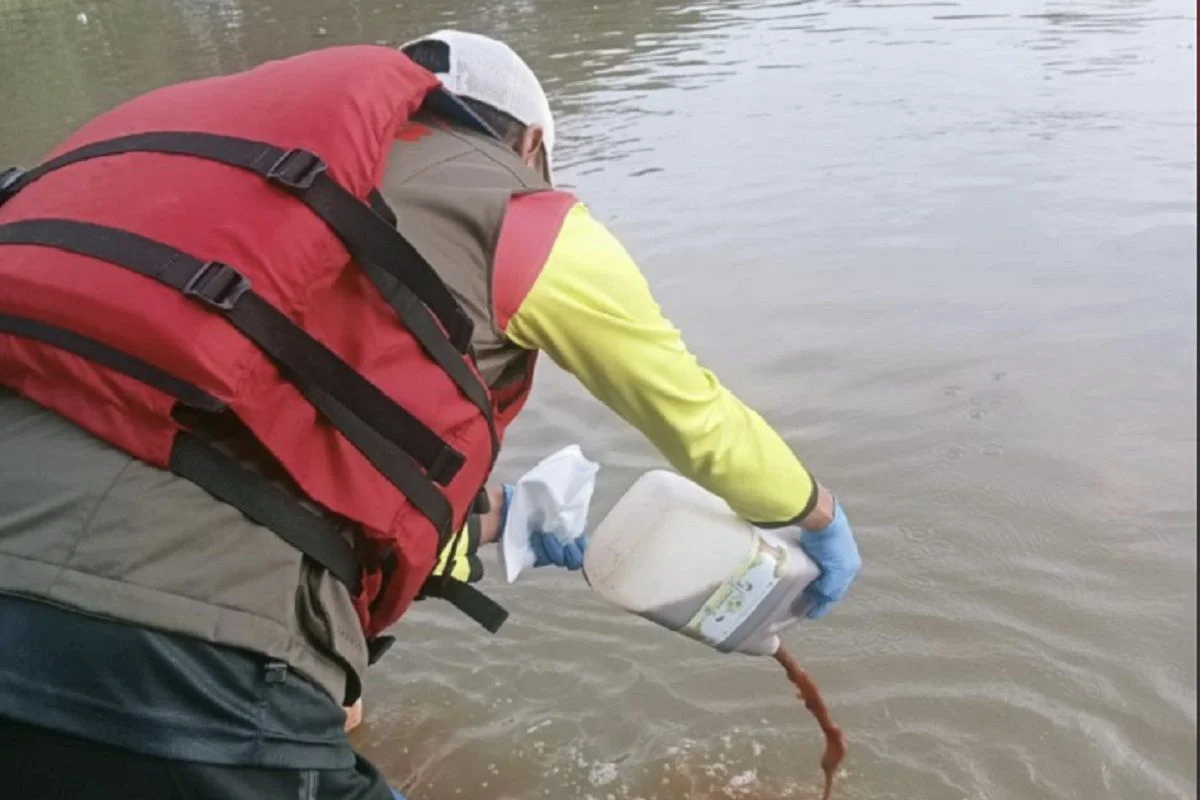
RRI.CO.ID, Jakarta - Indonesian Environment Minister Hanif Faisol Nurofiq, together with the Indonesian Buddhist Youth Generation (Gemabudhi) and the Directorate General of Buddhist Community Development (Bimas) of the Ministry of Religious Affairs, released around 10,000 eco-enzymes into the Jeletreng River in South Tangerang City, Banten.
The initiative was carried out to help restore the river ecosystem following contamination from a blaze at a pesticide storage warehouse. Chemical residues from the fire were found to have flowed into the river, causing environmental damage.
Minister Hanif said the ministry’s team would continue to monitor water quality and neutralize pollutants. “So in another month, we will take another sample from the sediment,” he said in South Tangerang on Sunday, March 8, 2026, as quoted by Antara.
Investigations by the Ministry of Environment’s law enforcement unit found pesticide liquid flowing from the fire site into the Cisadane River. The affected area is estimated to cover approximately 22.5 kilometers, spanning South Tangerang City, Tangerang City, and Tangerang Regency.
The pollution has caused significant harm to aquatic life, with numerous organisms reported dead due to chemical exposure.
The source of the contamination was a warehouse owned by PT Biotek Saranatama in the Taman Tekno BSD Serpong area, Setu Subdistrict, South Tangerang City. The warehouse stored cypermethrin and profenofos, pesticides commonly used for plant pest control.
Around 20 tons of pesticides were burned in the incident. Water used to extinguish the fire, mixed with chemical residues, flowed into the river, worseningpollution.
Minister Hanif said the community’s initiative to spread eco-enzymes produced by Gemabudhi was a positive step in supporting recovery efforts. He explained that eco-enzymes, made by fermenting fruit and vegetable waste for about three months, can increase oxygen levels and support microbial activity in the water.
The government will continue to monitor the effectiveness of the eco-enzymes by periodically testing river water and sediment quality. At the same time, the legal process related to the pollution case is ongoing.
Minister Hanif added that pesticide management falls under the Ministry of Agriculture’s authority. However, when these materials become hazardous and toxic waste (B3), their handling becomes the responsibility of the Ministry of Environment. ***
News Recomendation
Loading latest news.....