



Jakarta DPRD Backs Crackdown on Disruptive Padel Courts
- 27 Feb 2026 15:22 WIB
- Voice of Indonesia
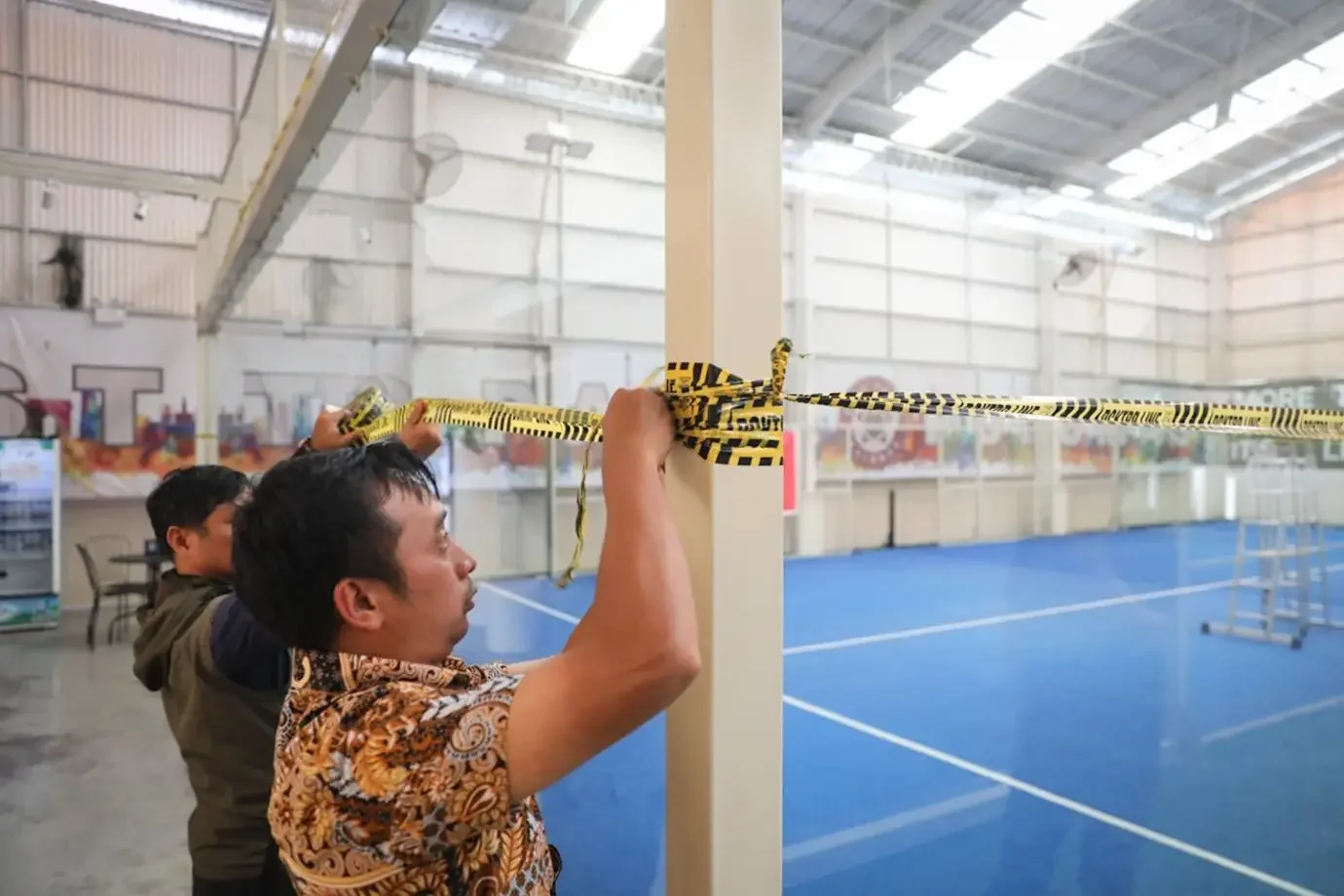
RRI.CO.ID, Jakarta - The Jakarta Province Regional Representatives Council (DPRD) has declared its full support for the Jakarta Provincial Administration’s move to discipline padel courts. This includes a commitment to shut down any facilities proven to disrupt public comfort.
This support intensified following a wave of protests from residents in several residential areas. These actions highlighted issues regarding noise pollution, illegal parking, and alleged licensing violations.
The Provincial Administration’s enforcement measures were triggered by complaints from residents in Pulomas, Cilandak, and Tanjung Barat, who reported excessive noise from padel courts operating from morning until late at night.
For facilities found lacking a Building Approval (PBG), the Jakarta Governor, Pramono Anung, has instructed a range of sanctions, including the cessation of activities, demolition, and the revocation of business licenses.
"Padel structures or courts that do not possess a PBG will face a cessation of activities, demolition, and the revocation of business licenses," remarked Governor Pramono in an official release.
The Jakarta DPRD asserted that this policy must be executed consistently at the local level. A Lawmaker of the Jakarta DPRD Commission C, August Hamonangan, emphasized that law enforcement must not be half-hearted, especially when court rulings exist or the majority of residents have voiced opposition.
“If there is strong community pushback, or even an administrative court ruling, then act on it. Do not keep hiding behind the excuse that a case is not yet legally binding (inkrah) while the residents continue to suffer,” said August in Jakarta on Friday, February 27, 2026.
From an urban planning perspective, Project Management at the University of 17 Agustus 1945 Jakarta, Manlian Ronald Simanjuntak, argued that the mushrooming of padel courts reflects weak spatial discipline. He remarked that the construction of sports facilities in residential zones must adhere to the regional master plan rather than purely business logic.
“If it does not align with spatial planning, it cannot proceed. The impact is not just noise, but also traffic, parking, and potential structural failures,” remarked Manlian.
He added that the construction of padel courts must secure both a Building Approval (PBG) and a Functional Suitability Certificate (SLF).
This issue reflects the rapid global growth of padel. International industry reports project the global padel industry to exceed six billion euros by 2026, with tens of thousands of new courts being built worldwide. In Indonesia, Jakarta has become the epicenter of this growth, with dozens of courts established in recent years.
According to the official Jakarta Provincial Administration website, there are currently 397 padel courts scattered across the capital. Governor Pramono noted that the Citra Karya, Spatial Planning, and Land Administration Agency is currently re-verifying the legality and permits of all these facilities.
However, social observer Iwan Yanuar argued that such growth must not sacrifice social order. He remarked that conflicts regarding padel courts are a symptom of weak enforcement rather than merely a matter of lifestyle or social inequality.
“If regulations were enforced from the beginning, residents would not have to sue in the Administrative Court. This is about order and the social sensitivity of entrepreneurs,” said Iwan.
The Jakarta Provincial Administration has now decided to stop issuing new permits for padel courts in residential zones. Additionally, they have limited operational hours to a maximum of 8 p.m. Jakarta time and mandated the installation of soundproofing.
The DPRD emphasized that they will oversee this policy to ensure it is not merely a formality on paper but effectively restores peace to Jakarta's residents. (Annaila Azzahra/Bambang MBKA)
News Recomendation
Loading latest news.....