



Semarang Zoo Vacates Tiger Enclosures to Combat Inbreeding
- 29 Jan 2026 15:12 WIB
- Voice of Indonesia
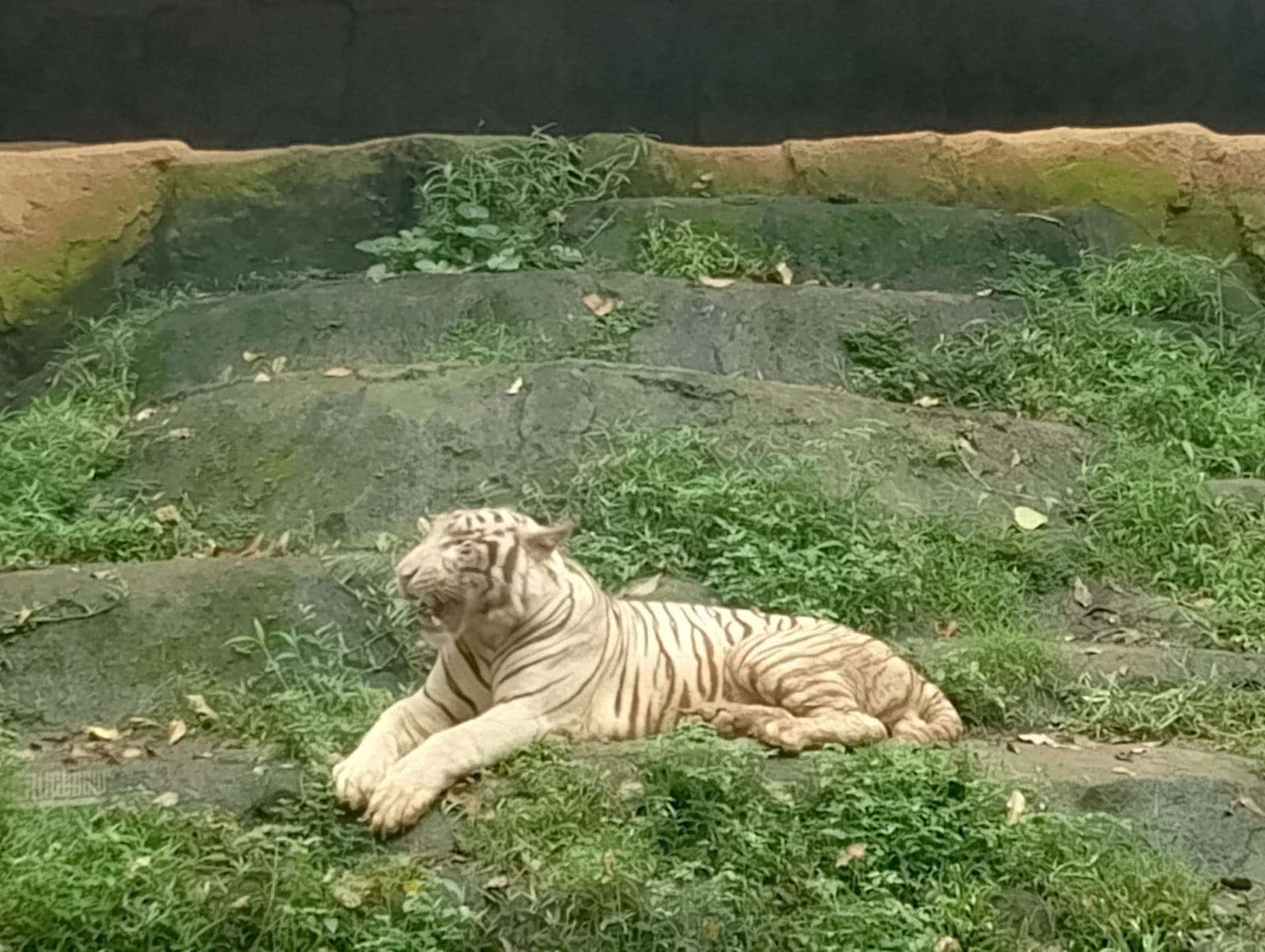
RRI.CO.ID, Semarang – Semarang Zoo in Central Java has implemented a strategic shift in its wildlife conservation efforts by vacating its Bengal tiger (Panthera tigris tigris) enclosures. This move is specifically designed to halt inbreeding cycles, which have begun to compromise the genetic health of the animals.
Bimo Wahyu Widodo Dasir Santoso, Director of Semarang Zoo, explained that the decision regarding the remaining Bengal tigers is a calculated conservation move. He noted that the current genetic lineage requires a complete "refresh" of the breeding stock.
"We are intentionally clearing the enclosures. We have exchanged [the tigers] for several new species, including capybaras, sitatungas, and others," said Bimo on Wednesday, January 28, 2026.
He highlighted that the tigers' increasingly pale fur served as a visible indicator of inbreeding depression. Beyond external aesthetics, the genetic issues pose severe internal risks, such as stunted organ development, particularly affecting the heart.
To rectify this and enhance the institution's biodiversity, management plans to pivot toward different species. "The enclosures are being kept vacant for now as we look to acquire Sumatran tigers to diversify the Semarang Zoo collection," explained Bimo.
As a recognized conservation institution, Semarang Zoo views breeding programs as a core mandate. Bimo emphasized that the zoo will continue to optimize its facilities to accommodate new arrivals through established legal channels.
"Every conservation agency has an obligation to breed wildlife. We can facilitate this through grants or animal exchange programs with other institutions," added Bimo.
The strategy isn't limited to big cats. Bimo also addressed the status of three male Bornean orangutans currently at the zoo, whose breeding has stalled due to the lack of female mates.
"We have three males here, and we need to find them partners. Ideally, we would like to trade two of our males for females to ensure the continuation of the species," he concluded. (Annaila Azzahra/Bambang MBKA)
News Recomendation
Loading latest news.....