



New Natural Hybrid Carnivorous Plant Discovered in in West Kalimantan
- 28 Jan 2026 18:01 WIB
- Voice of Indonesia
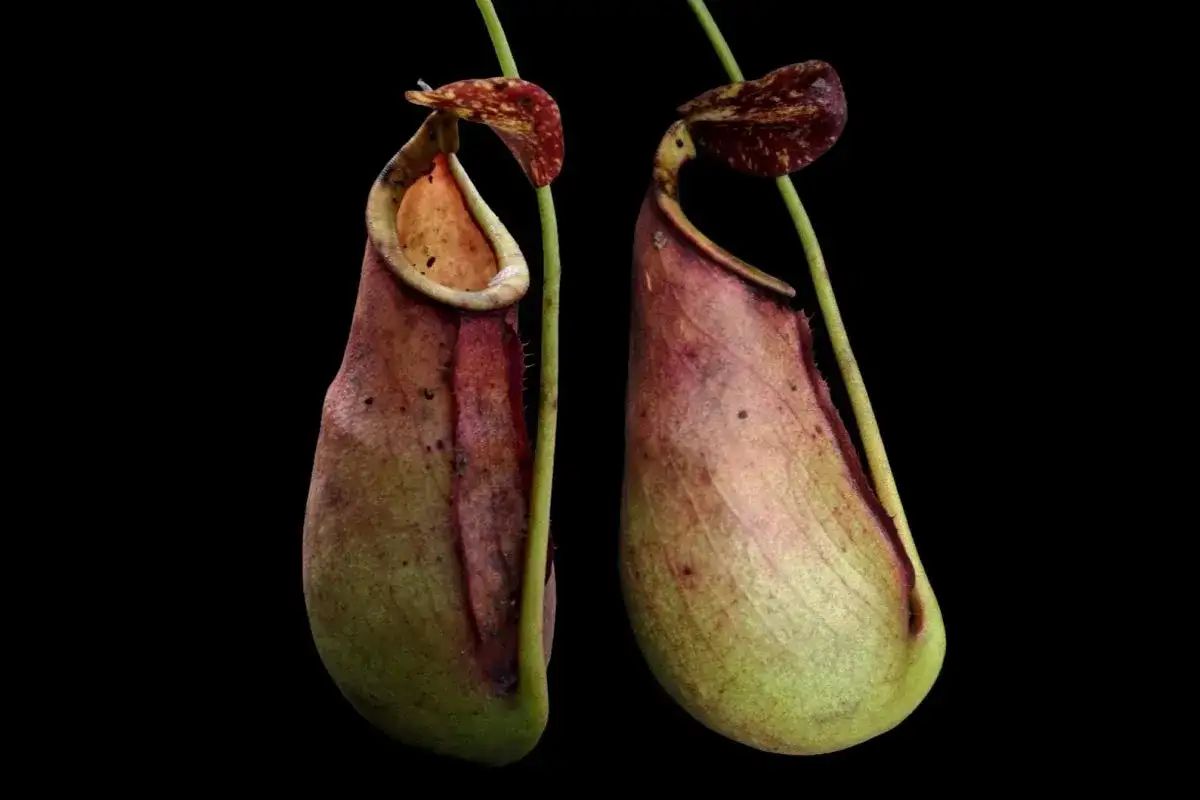
RRI.CO.ID, Bandung - A collaborative team of researchers from Bandung Institute of Technology's School of Biological Sciences and Technology (SITH ITB), Indonesian Agency for Research and Innovation (BRIN), and Bogor Agricultural Institute (IPB) has identified a new natural hybrid carnivorous plant in Mempawah, West Kalimantan. This discovery was made possible by monitoring social media posts from local enthusiasts since 2024.
Dubbed Nepenthes ×taringkecil, this nothospecies results from the natural crossbreeding of two resilient parents, which are Nepenthes bicalcarata and Nepenthes mirabilis. The discovery has been validated and published in the January 2026 edition of the international journal Phytotaxa.
"We named it ×taringkecil because its peristome features a pair of small teeth measuring 0.5 to 0.8 mm in length. Meanwhile, in its parent species, N. bicalcarata, the fangs can reach up to 3 cm," said Arifin Surya Dwipa Irsyam, Curator of the Herbarium Bandungense at SITH ITB, in a statement from Bandung on Saturday, January 24, 2026.
Distinct from its parent N. bicalcarata, which features hollow tendrils housing ants, the hybrid lacks this adaptation. Both species thrive in kerangas/peat swamp forests, but their pitchers differ. While N. bicalcarata's are wide and rounded, N. ×taringkecil's are cylindrical, resembling N. mirabilis.
The breakthrough highlights the power of citizen science, with initial tips from hobbyist growers Nazila and Rais sparking the scientific investigation.
"Our suspicions were reinforced by information from local residents confirming that N. bicalcarata and N. mirabilis grow in the same location," noted Arifin, as quoted by Antara.
To confirm the hybrid's validity, the team divided tasks consist of M. Rifqi Hariri (BRIN) conducted molecular analysis using Internal Transcribed Spacer (ITS), M. Hisyam Fadhil (IPB) handled live sample cultivation and botanical illustrations, and Arifin (ITB) detailed morphological descriptions. Genetic results affirmed close kinship to N. mirabilis with physical traits from N. bicalcarata.
The study was supported by BRIN's Rumah Program schemes in 2023 and 2026. It underscores the hidden biodiversity of Kalimantan's peatlands and the vital role of collaboration between institutions and hobbyists in revealing Indonesia's natural wealth. ***
News Recomendation
Loading latest news.....