



East Kalimantan Strengthens Collaborative Management of Wehea-Kelay Landscape
- 25 Jan 2026 18:10 WIB
- Voice of Indonesia
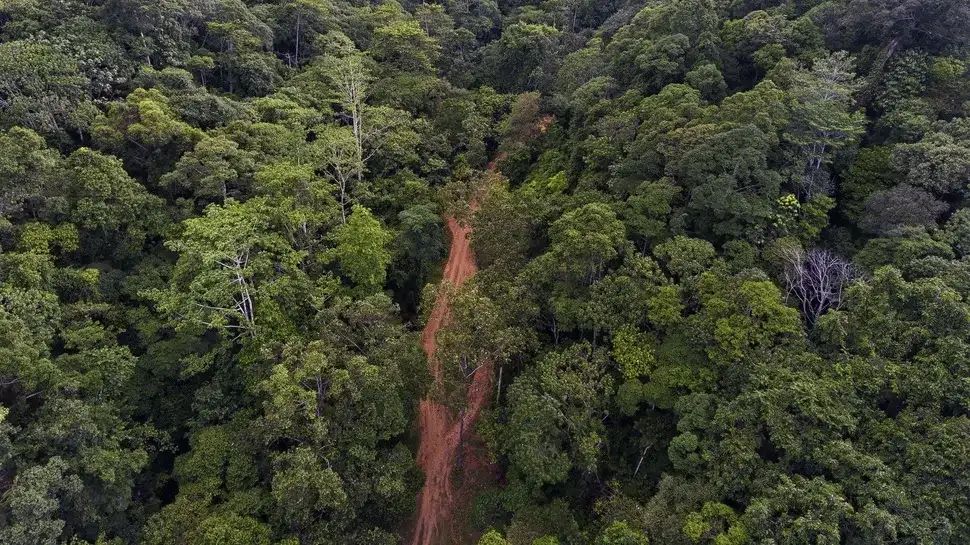
RRI.CO.ID, Jakarta - East Kalimantan Province, together with the Nusantara Nature Conservation Foundation (YKAN), continues to manage the Wehea-Kelay landscape spanning East Kutai and Berau, aiming to safeguard the rich biodiversity of its forests.
“About 80 percent of the Wehea-Kelay area remains forested, with the potential to store 191 million tons of CO2 equivalent. This makes it a vital contributor to climate change mitigation,” YKAN Executive Director Herlina Hartanto said in Samarinda on Sunday, January 25, 2026, as quoted by Antara.
The landscape was designated based on the distribution of Bornean orangutans, covering major river systems such as the Kelay, Wehea, and parts of the upper Telen.
Beyond serving as a habitat for endangered species, Wehea-Kelay is also a critical watershed for the Mahakam and Segah rivers. More than 5,000 kilometers of river networks flow into Berau and East Kutai, providing essential ecosystem services including hydrological functions and clean air.
“Since 2015, the East Kalimantan Administration and YKAN have invited multiple stakeholders to jointly manage this area. A recent study in 2025 even recorded new species of flora and fauna compared to earlier surveys,” Herlina noted.
This collaborative management has yielded positive outcomes, balancing economic, environmental, and socio-cultural interests while preserving biodiversity, particularly orangutan habitats located outside formal conservation zones.
In addition to ecosystem protection, Herlina explained, management efforts also explore non-timber forest products through bioprospecting innovations. A study of 60 forest plant species, inspired by orangutan diets, identified 11 with high potential for development into valuable products, including phytochemicals with antidiabetic, anticancer, and cytotoxic properties.
These plants, with medicinal and nutritional potential, not only benefit human health but also support community-based economic development by optimizing bioprospecting opportunities.
Over the years, Wehea-Kelay’s management has involved 23 stakeholders, ranging from government bodies and businesses to local communities, universities, research institutions, and NGOs such as YKAN.
“From the private sector, most participants are holders of Natural Forest Utilization Business Permits (PBPH-HA) and have obtained Sustainable Production Forest Management certification as well as Forest Stewardship Council (FSC) accreditation. Meanwhile, the Wehea Protected Forest is managed by the Wehea Indigenous Community, underscoring the crucial role of local communities,” Herlina added. ***
News Recomendation
Loading latest news.....