



Unveiling Bornean Bay Cat: Borneo’s Elusive Feline
- 04 Jun 2025 10:33 WIB
- Voice of Indonesia
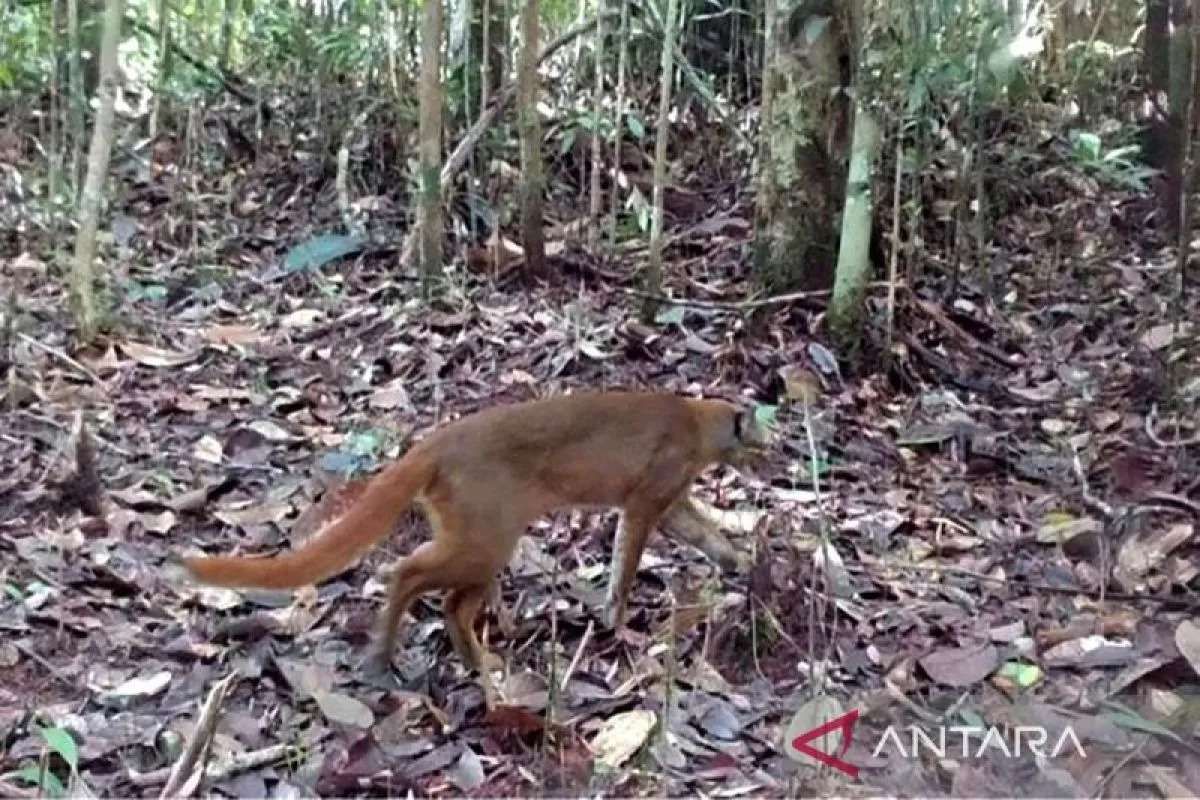
KBRN, Jakarta: A camera trap captured a single individual of the Bornean Bay Cat (Catopuma badia), a very rare endemic wild cat species, in the Kayan Mentarang National Park (TNKM) area, North Kalimantan.
The video, uploaded to the official TNKM Instagram account on March 20, 2025, marks the reappearance of this mysterious animal after its last recording in 2003.
The footage shows the bay cat walking quickly on a fallen log. Its body is slender, reddish-brown, and it has a strikingly long tail.
Seno Pramudito, head of TNKM, explained that this discovery was obtained from camera traps installed by TNKM officers in 2023, with data successfully downloaded a year later.
"This was discovered through a camera trap; it was last seen in 2003," said Seno as quoted by antaranews.com.
According to Septian Adi Nugroho, a technical affairs officer at TNKM, the camera was installed by two national park officers, Josua Wandry Nababan and Novaldo Markus, in an area monitored since 2021. Unfortunately, no previous results indicated the presence of this species.
The appearance of Catopuma Badia on camera is rare proof of the existence of a species that had long been absent from observation. This animal was recorded only twice in history: in 1957 by French naturalist Pierre Pfeffer and in 2003 by WWF with researcher Dave Augeri.
Mysterious Species of Kalimantan’s Forests
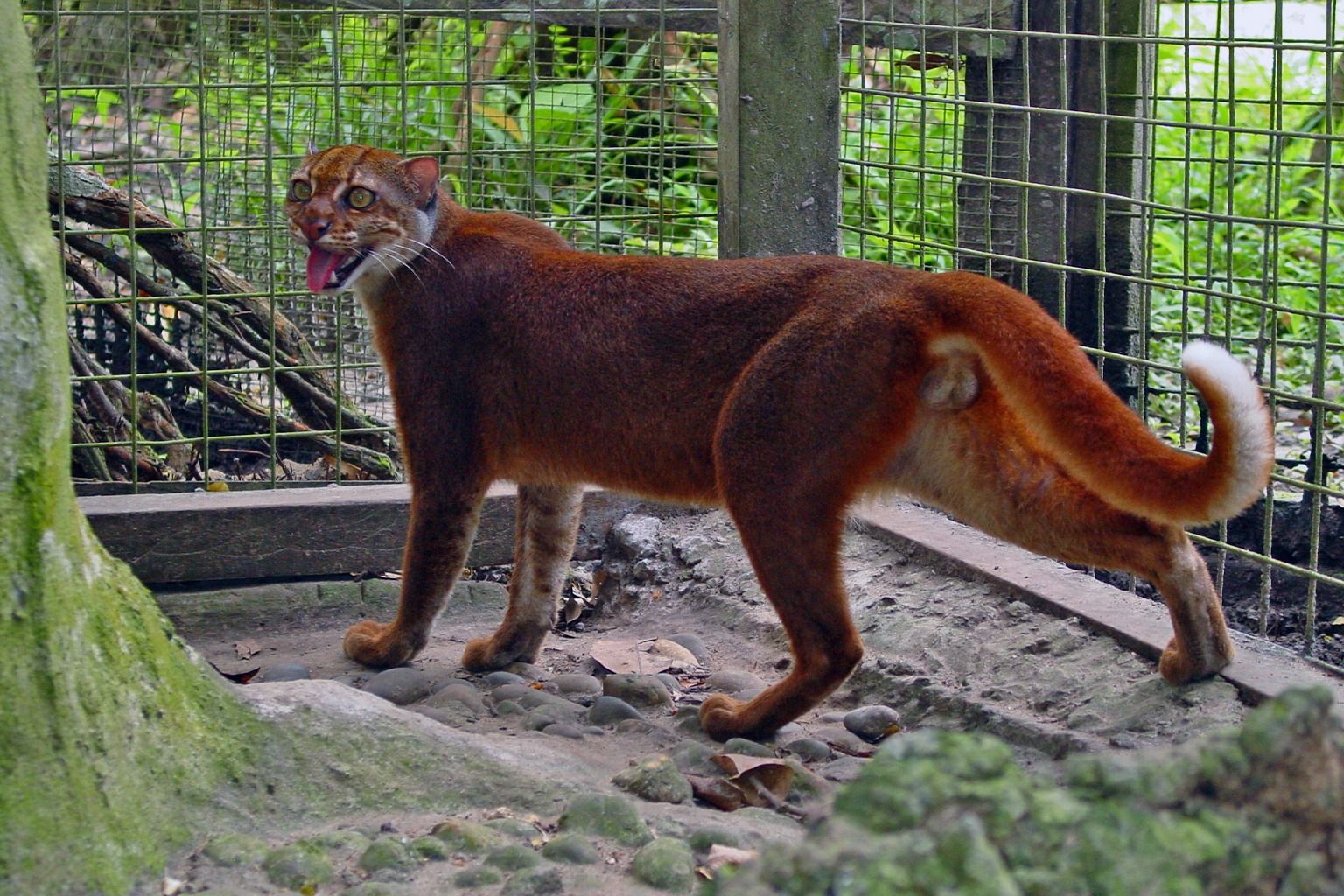
The Bornean Bay Cat is known as one of the most difficult wild cat species to study. Scientific descriptions of this animal have historically been based on a handful of skin and skeletal specimens collected since the late 1800s and a single blood sample from an individual caught on the border of Sarawak and Indonesia in 1992.
In the book Wild Cats published by IUCN, Catopuma badia is described as having two colour variations: grey and red, with red being more common. The cat’s body length is approximately 53 cm, while its tail can reach 39 cm, or about 73 per cent of its total body length.
Morphologically, the Bornean Bay Cat resembles the Asiatic Golden Cat (Catopuma temminckii), but their distributions differ. The Asiatic Golden Cat is found in Sumatra and Southeast Asia, whereas the Bornean Bay Cat is found only in Kalimantan and has evolved separately for about 3.16 million years.
Habitat and Extinction Threats
Historical records and recent research indicate that the Bornean Bay Cat is commonly found in forested areas near rivers, including Sarawak, Sabah, and Kalimantan. However, this animal has never been recorded in peat swamps or oil palm plantations, meaning its habitat connectivity is increasingly threatened by fragmentation and deforestation.
According to the IUCN Red List, the Bornean Bay Cat is an endangered species. Its population is estimated to be no more than 2,500 individuals, and its habitat has shrunk by up to a third since 2010. I
ts population density is also very low, at about one individual per 100 square kilometres.
Conservation Efforts and Hope
Because it relies heavily on intact rainforests, the Bornean Bay Cat is considered an important bioindicator for the sustainability of Kalimantan’s tropical forests. Its presence reflects the quality of the forest ecosystem and highlights the importance of protecting conservation areas from deforestation and environmentally unfriendly infrastructure development.
Researchers and conservationists emphasize the importance of further study of this species' behavior, ecology, and distribution. Long-term conservation measures also include enhancing the protection of forest areas, educating local communities, and controlling illegal hunting.
"The Bornean Bay Cat needs large, connected areas and relatively intact habitats to survive," said Oliver Wearn, a biologist and conservation consultant.
With the latest discovery in Kayan Mentarang National Park, hope for further understanding and preserving this species has re-emerged. However, its survival greatly depends on the collective actions of various parties in maintaining Kalimantan's remaining forest ecosystems. ***
News Recomendation
Loading latest news.....