



Climate Change Threatens Indigenous Communities
- 16 Mar 2025 14:45 WIB
- Voice of Indonesia
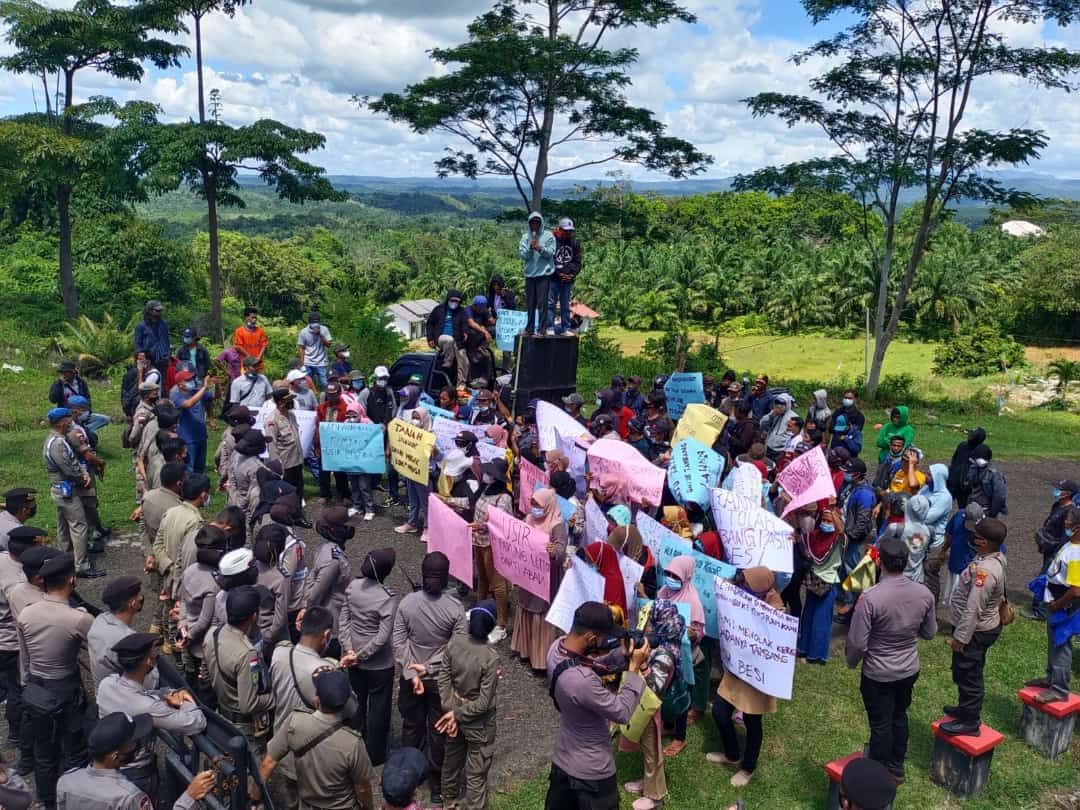
KBRN, Jakarta: Climate change is increasingly threatening indigenous communities in various regions, especially due to forest degradation and land conversion. In fact, indigenous communities play a crucial role in reserving environmental balance and addressing the effects of climate change.
"Indigenous communities frequently lose their means of living due to the destruction of the ecosystem that has sustained them. Besides losing their livelihoods, they also encounter challenges in regenerating knowledge about how to maintain land functions, especially in forested areas," said Muhammad Burhanuddin, Environmental Policy Manager of the Indonesian Biodiversity Foundation (KEHATI), Sunday, March 16, 2025, as quoted by rri.co.id.
At present approximately 2,5 million hectares of customary forests have been transformed into concession zones. Numerous developing nations, including Indonesia are converting forest regions into plantations, mining sites, and infrastructure, which impacts the increasingly restricted living space for indigenous communities.
In national development policies, the contribution of indigenous communities to environmental sustainability has not garnered the attention it warrants.
Despite facing major challenges, various indigenous communities have demonstrated that they can be part of the solution to tackle the climate crisis.
"For example, the indigenous community in NTT, Flores which revives local food by consuming sorghum as an alternative food security amidst climate change. In various other regions, indigenous peoples are also developing sustainable strategies," said Burhanuddin.
Organic agriculture practices, tree planting in upstream areas, and utilizing natural resources wisely are essential for maintaining ecosystem balance.
"The Dayak Iban indigenous community in West Kalimantan is revitalizing natural dyes for woven fabrics, while reviving the traditional livelihood system that is starting to be abandoned," he said.
Burhanuddin emphasized that involving indigenous peoples in environmental policies will have a significant impact. Large-scale implementation through environmental legislation could serve as a means to reconcile ecological and economic challenges.
"Several countries such as Chile and Brazil have incorporated indigenous communities in their environmental policies. Indonesia can implement similar measures to ensure that environmental sustainability aligns with the welfare of indigenous peoples," said Burhanuddin.
By acknowledging the rights of indigenous peoples and involving them in national policies, Indonesia can ensure that ecological and economic sustainability coexist. However, without strong policies to protect customary forests and ensure indigenous peoples' rights to their lands, the risk of losing both ecological and cultural heritage will heighten. ***
News Recomendation
Loading latest news.....