



Poin Utama
- Abdul Muis was a pioneering journalist and editor-in-chief of Kaoem Moeda who used the press to challenge Dutch colonial rule, advocate for indigenous rights, and promote independence.
- He earned the title of Indonesia's very first National Hero in 1959.
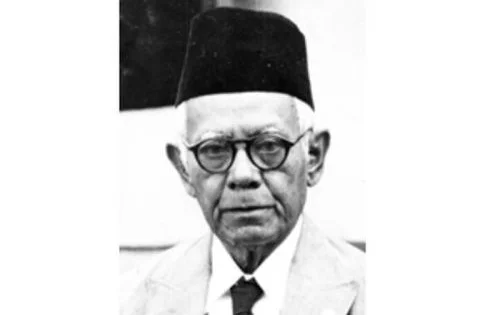
RRI.CO.ID, Jakarta – Indonesia’s first national hero, Abdul Muis, actually had a background as a journalist. Before making a name for himself in politics, this figure from West Sumatra was a pioneer of early Indonesian journalism who challenged Dutch colonial rule through his incisive editorials, according to the book Kumpulan Pahlawan Indonesia Terlengkap by Mirnawati.
Born in Sungai Puar, West Sumatra, in 1883, Muis was raised with strict discipline by his father, Datuk Tumenggung Lareh. He pursued his early education at the Europeesche Lagere School before continuing his studies at the STOVIA medical school in Java.
Health issues forced Muis to leave medical school after three and a half years. However, his exceptional mastery of the Dutch language earned him a rare position as a clerk at the Department of Education.
His appointment as the sole indigenous clerk sparked deep resentment among his Dutch colleagues in the colonial office. Driven out by this hostile work environment, Muis resigned in 1905 to pursue a career in the media.
Muis then dedicated himself fully to journalism, writing for influential publications such as Bintang Hindia and Neraca. He later advanced his media career by serving as the editor-in-chief of the prominent newspaper Kaoem Moeda.
Through his editorial platforms, Muis consistently voiced anti-colonial views and staunchly defended indigenous rights alongside other prominent independence figures. His critical coverage of colonial policies resulted in repeated arrests, imprisonment, and eventual exile by the Dutch authorities.
In addition to his journalism, Muis joined the Sarekat Islam political party and was appointed to the Volksraad. During World War I, he traveled to the Netherlands to advocate for Indonesian defense and successfully lobbied for the establishment of a technical college, which later became the Bandung Institute of Technology.
Despite his heavy involvement in politics and journalism, he actively produced celebrated literary works, including the classic 1928 novel Salah Asuhan. His other notable works include Pertemuan Jodoh (1933) and Surapati (1950).
In recognition of his significant contributions to journalism and the independence struggle, President Soekarno named him Indonesia's First National Hero under Presidential Decree No. 218 of 1959. Muis passed away on June 17, 1959, and was laid to rest at the Cikutra Heroes’ Cemetery in Bandung.
News Recomendation
Memuat berita terbaru.....