



Indonesia Leverages Experiential Batik Tourism for Global Market
- 01 Okt 2026 08:24 WIB
- Voice of Indonesia
Poin Utama
- The Ministry of Tourism is developing targeted batik tourism marketing strategies based on international tourist segments.
- Europe is targeted with batik’s slow-fashion and cultural values, while Japan and South Korea are targeted through the craft’s intricate techniques and attention to detail.
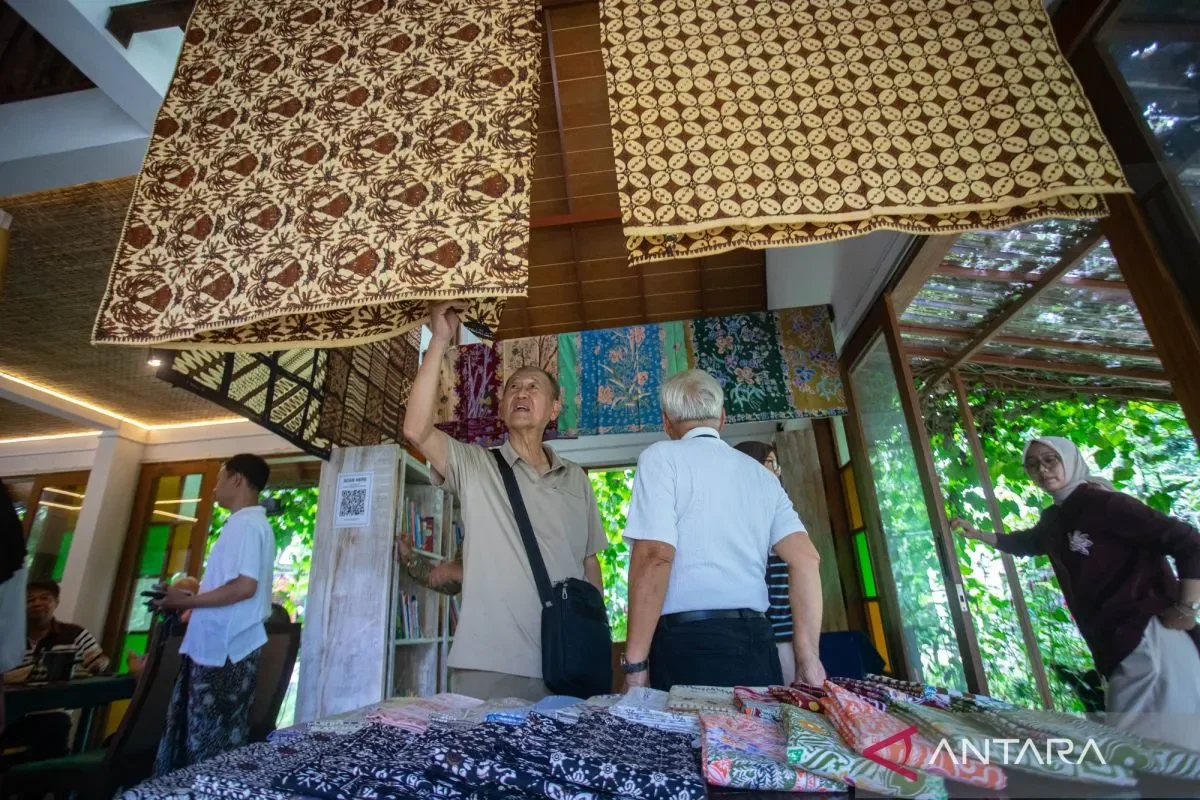
RRI.CO.ID, Jakarta - The Ministry of Tourism is preparing a targeted cultural marketing strategy based on the segmentation of international tourists through batik tourism packages. By leveraging batik’s UNESCO heritage status, the ministry targets Europe with a slow-fashion narrative, Japan and South Korea through intricate craftsmanship, and ASEAN via shared cultural ties.
Batik is a distinctive Indonesian patterned fabric created using a canting tool and wax as a resist-dyeing agent. It combines stunning artistry with the profound philosophical meaning embodied in each of its motifs.
“Batik has tremendous potential because it is not merely a product, but also a process and a philosophy of life. This is what UNESCO recognized as intangible cultural heritage in 2009,” said Deputy for Marketing at the Ministry of Tourism, Ni Made Ayu Marthini, in Jakarta on Wednesday, September 30, 2026.
She said tourists from Southeast Asian countries such as Malaysia, Singapore, and Thailand were generally interested in batik because they felt a cultural connection with Indonesia. According to her, batik could also attract tourists from countries such as Japan and South Korea, who generally value craftsmanship and appreciate attention to detail.
Batik appeals to European tourists from the Netherlands, Germany, and France, who value culture and slow fashion. Meanwhile, travelers from the United States and Australia are drawn to the art form's compelling stories.
Ayu Marthini emphasized the need to raise foreign tourists’ awareness of batik and encourage travel agencies to include batik villages in their itineraries. “Tourists who understand the philosophy behind batik will appreciate the price of hand-drawn batik more,” she said, as quoted by Antara.
In addition, regeneration efforts are needed to produce more young batik artisans. This is important to support the development of experience-based tourism services that include batik-making activities.
To support tourism services centered on batik, the ministry has incorporated batik into the Cultural Tourism Village and Batik Tourism Village programs. Several regions, including Solo, Yogyakarta, Pekalongan, Cirebon, and Rembang, are actively developing their local tourism potential. Key destinations like Kauman, Laweyan, Giriloyo, Pesindon, Trusmi, and Lasem now feature batik as their main attraction.
“Tourists can be invited to take a leisurely walk through the village lanes, enter the artisans’ homes one by one, and see the canting tools, dyeing process, and drying areas,” said Made.
Such tourism services, she added, encouraged visitors to stay longer in the villages and purchase more products from local artisans.
The government provides support through training in accommodation services, digital marketing, and e-catalogue development. It also helps tourism village operators implement the standards for Cleanliness, Health, Safety, and Environmental Sustainability (CHSE).
Ayu Marthini said the Ministry of Tourism was also actively promoting batik both domestically and internationally. The ministry has included the Pekalongan Batik Festival and the Solo Batik Carnival in the national tourism events calendar, Kharisma Event Nusantara (KEN), while also organizing various textile exhibitions.
Batik promotion has also been strengthened through the #DiIndonesiaAja and Wonderful Indonesia campaigns, as well as by facilitating batik-making experiences for familiarization-trip participants. ***
News Recomendation
Memuat berita terbaru.....