



Indonesia Needs to Manage Overtourism and Strengthen Heritage Protection
- 04 Sep 2026 17:04 WIB
- Voice of Indonesia
Poin Utama
- Amol Titus emphasized the need for stronger tourism management and disaster prevention measures to protect Indonesia’s fragile cultural and natural heritage.
- The challenge is not to halt tourism, but to strike a balance between economic growth and the long-term protection of tourist destinations.
- Indonesia faces the same challenges of overtourism as Japan, Spain, and Italy, with rising numbers of domestic and international visitors to popular destinations.
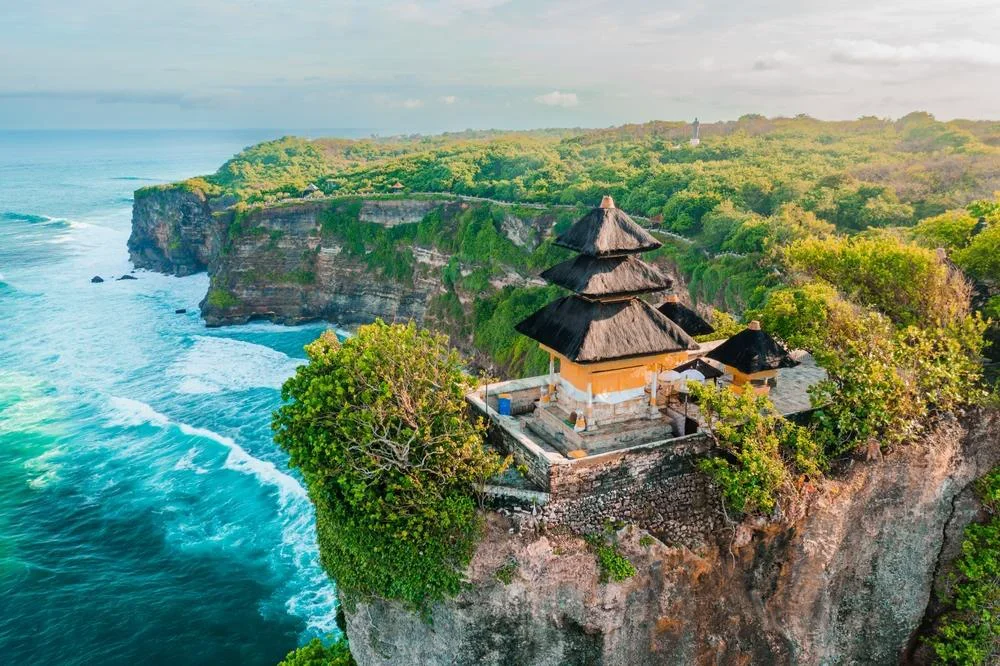
RRI.CO.ID, Jakarta - Indonesia needs stronger tourism management and disaster-prevention measures to protect fragile cultural and natural heritage as visitor numbers continue to grow, tourism expert Amol Titus said on Monday, September 1, 2026. Speaking to RRI Voice of Indonesia at Jakarta, the CEO of IndonesiaWise said the challenge is not to stop tourism, but to find a balance between economic growth and the long-term protection of destinations.
“Over tourism is one of the big challenges in the world. Japan is facing it. Spain is facing it. Italy is facing it,” he said, noting that Indonesia is facing a similar challenge as popular destinations attract increasing numbers of domestic and international visitors.
According to him, destinations have a physical capacity that cannot expand indefinitely. He cited Uluwatu Temple in Bali as an example, saying that while the number of visitors may increase significantly, the size and physical characteristics of the destination remain essentially the same.
“The answer is not to close the tourism. The answer is to manage the tourism,” he said.
His suggestion for a possible solution is to introduce visitor-capacity planning for fragile destinations. Titus pointed to Italy’s management of Leonardo da Vinci’s The Last Supper, where visitor numbers are restricted and tourists are assigned time slots to reduce pressure on the delicate artwork.
He said Indonesia could apply similar principles to heritage sites such as Prambanan Temple and to environmentally sensitive destinations. Not stopping on sites, this solution could be applied to beaches, mangrove areas and river tourism sites to preserve the area..
Tourism management, however, should go beyond controlling visitor numbers. Titus also stressed the need to strengthen protection against disasters following incidents including a fire at Sade Traditional Village in Lombok and fires in the Bromo area.
“These are assets for world humanity, global assets,” he said, while giving the example of Sade as an important repository of Sasak traditions, architecture, motifs and artifacts.
He warned that damage to cultural and natural heritage can be irreversible. Referring to fires and other incidents affecting heritage sites, Amol said that even when damaged sites are restored, the original heritage may not be fully recoverable.
“Once these destinations or these type of villages get wiped out, the loss is permanent,” he said.
Amol called for safety and accident prevention to become a higher priority at tourism and heritage destinations, including through the use of technology and stronger protection systems.
The goal, he said, should be to preserve natural and cultural heritage while ensuring visitors can continue to enjoy meaningful experiences. For Indonesia, managing tourism growth and strengthening heritage protection will be increasingly important as its destinations gain greater international recognition.
News Recomendation
Memuat berita terbaru.....