



Indonesia’s Tourism Villages Offer Authentic, Sustainable Experiences
- 04 Sep 2026 15:19 WIB
- Voice of Indonesia
Poin Utama
- Indonesia’s tourism villages exemplify best practices in integrating local culture, communities, and environmental conservation into sustainable tourism development.
- According to Amol Titus, tourism development should not be concentrated solely in major cities but should also involve villages to ensure that economic benefits reach local communities.
- Village empowerment through rural tourism is viewed as a key strategy for preserving cultural heritage while improving the well-being of local communities and fostering inclusive national economic growth.
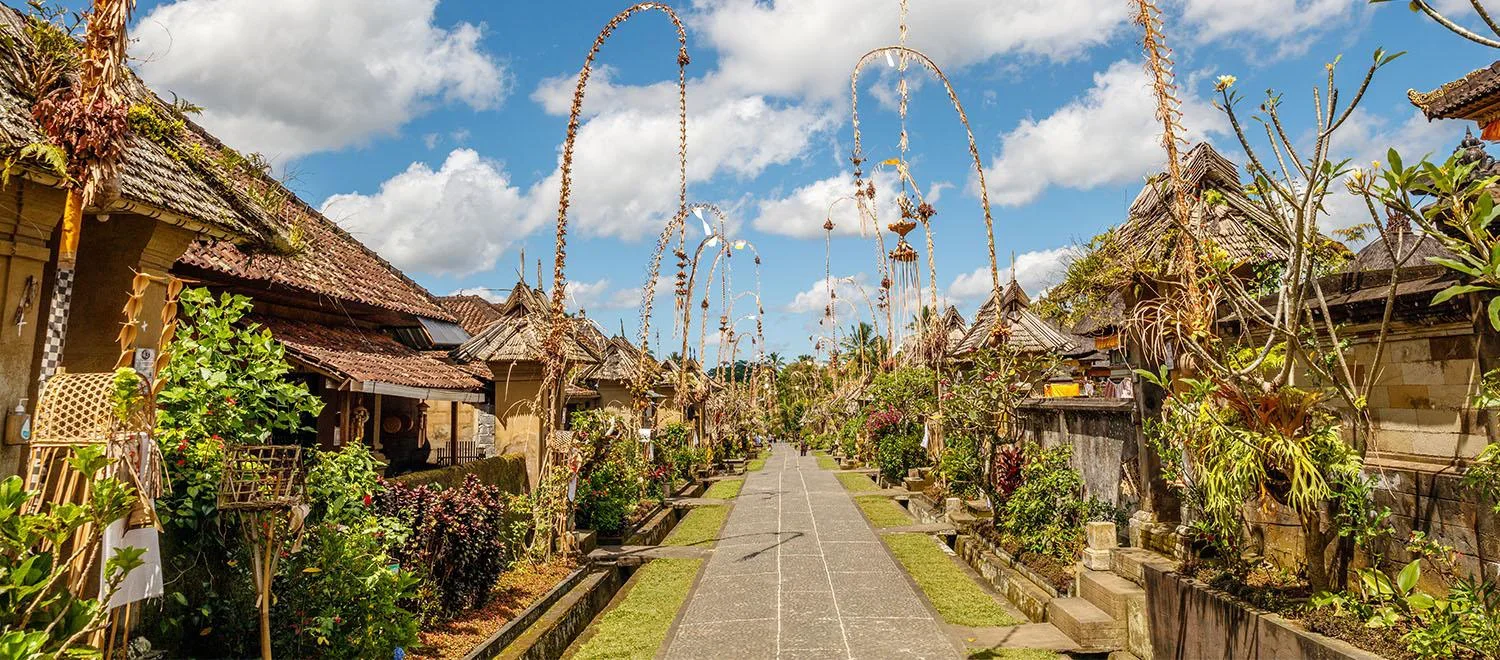
RRI.CO.ID - Jakarta - The CEO of IndonesiaWise, Amol Titus, said Indonesia’s tourism villages are emerging as examples of how local culture, communities and the natural environment can be integrated into sustainable tourism. Speaking to RRI Voice of Indonesia at Jakarta, on Monday, September 1, 2026, the expert of tourism further said tourism development should not be concentrated only in major cities, arguing that villages can play an important role in ensuring tourism benefits local communities while preserving their cultural heritage.
“When villages prosper, when villages progress, the country progresses,” he said, highlighting the importance of supporting rural communities as part of inclusive tourism development.
Titus said Indonesia’s tourism villages embody three key elements of sustainable tourism: environmental protection, community participation and cultural preservation. These elements can be seen in villages recognized by UN Tourism, including Penglipuran and Jatiluwih in Bali, as well as Wukirsari and Nglanggeran in Yogyakarta.
At Penglipuran, visitors can experience traditional Balinese architecture and village planning, while Jatiluwih is known for its Subak rice terraces and traditional water-management practices. Wukirsari, meanwhile, has helped preserve local batik traditions, while Nglanggeran has developed locally sourced products such as cacao and coffee through community cooperatives.
Beyond preserving traditions, Titus said tourism villages can give international visitors a more direct connection with Indonesian culture. Unlike conventional tourism experiences, villages allow travelers to see local activities and interact with residents in their everyday environment.
“Indonesian villages, they offer us a chance to interact with Indonesian culture face to face,” he said.
To support that statement he added that visitors can experience local farming, fishing, food and traditional crafts directly in the communities where they originate. In the Lake Toba region, for example, travelers can experience the preparation of Ikan Arsik, a traditional Batak fish dish.
Tourism villages can also help ensure that tourism revenue reaches local communities more directly. Buying locally produced handicrafts, food and other products can support livelihoods while encouraging communities to continue preserving their cultural and environmental assets.
“When we go there to the villages, we are again helping for the tourism dollars to flow directly to the village, which will benefit their well-being and progress,” Amol said.
He encouraged tourists to view village tourism not simply as sightseeing, but as a way of supporting long-term cultural and environmental conservation. For Indonesia, the development of tourism villages therefore offers an opportunity to promote authentic experiences while making sustainability and community participation central to tourism growth.
News Recomendation
Memuat berita terbaru.....