



BRIN Boosts Ectoine Production 133-Fold Through Marine Microbial Engineering
- 14 Sep 2026 14:17 WIB
- Voice of Indonesia
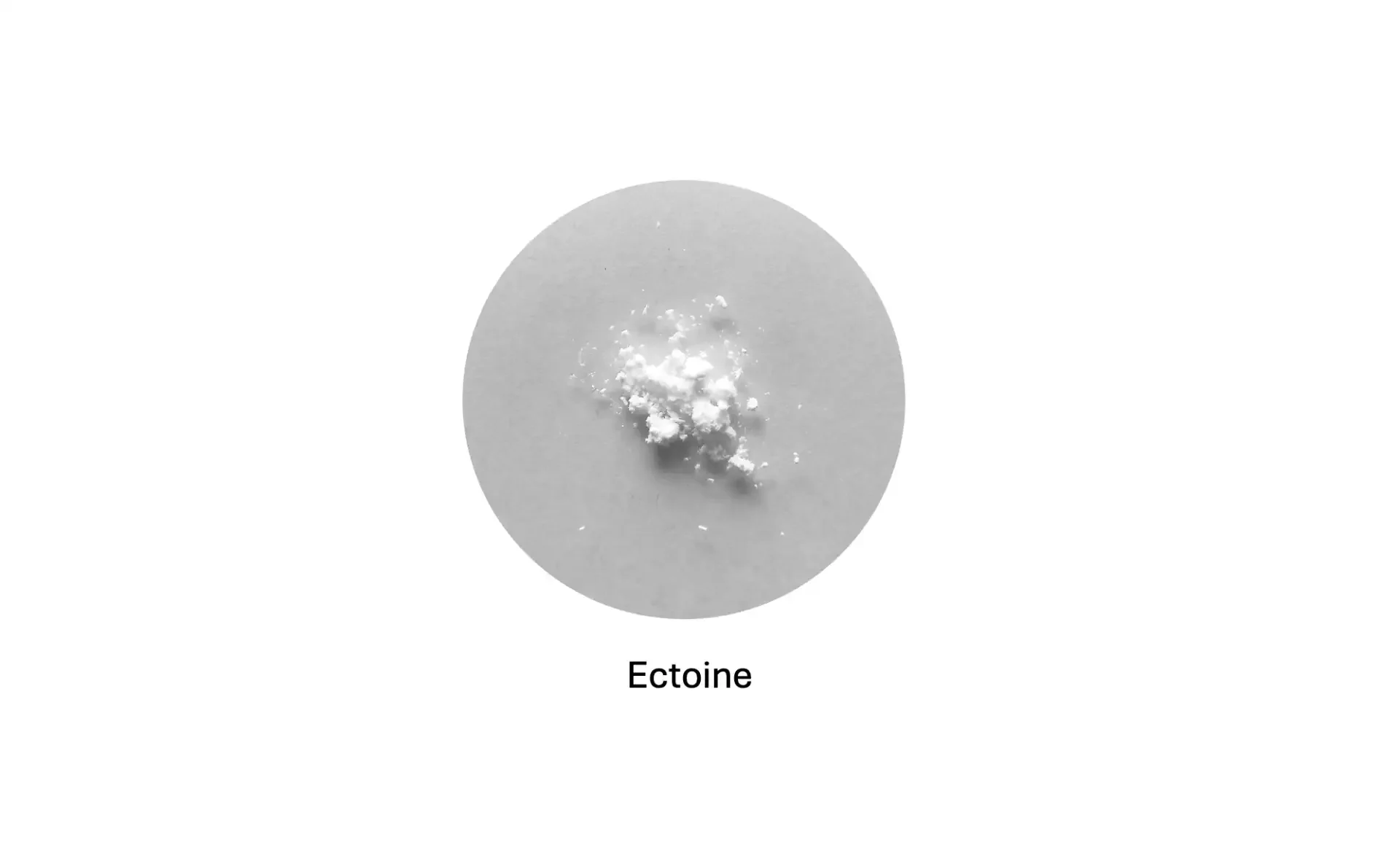
RRI.CO.ID, Jakarta - A research team from the National Research and Innovation Agency (BRIN) and the School of Life Sciences and Technology (SITH) at the Bandung Institute of Technology (ITB) has successfully developed an ectoine production system using microbial engineering. This system is capable of producing up to 133 times more of the compound than conventional methods.
This breakthrough utilizes the biosynthesis gene from the marine bacteria Virgibacillus salarius isolated from soft coral in the North Java Sea, and has the potential to reduce the production costs of ectoine, which has been relatively expensive in the global market.
Ectoine is a compound naturally produced by certain microorganisms to protect themselves against extreme environmental conditions, particularly high salinity. It is highly sought after by industries for its ability to safeguard biomolecules, cell membranes, proteins, and enzymes from environmental stress.
In the cosmetics sector, ectoine is used to protect skin from dehydration and ultraviolet radiation while delaying signs of premature aging; in the healthcare sector, it aids in treating atopic dermatitis through its hydrating and skin-restoring effects.
To date, industrial ectoine production has relied on cultivating the bacterium Halomonas elongata in high-salinity media, followed by harvesting via a process known as "bacterial milking." This method requires specialized bioreactors capable of withstanding the corrosive effects of high salt levels, involves complex harvesting procedures requiring precise salt concentration gradient adjustments, and entails significant costs for managing high-salinity waste. These combined factors are believed to be the primary reasons for ectoine's high price on the global market.
To address this issue, the research team identified an ectoine biosynthesis gene cluster consisting of ectA, ectB, and ectC in V. salarius after analyzing the bacterial genome. This gene cluster was subsequently reconstructed into Escherichia coli BL21(DE3) bacteria using the Biopart Assembly Standard for Idempotent Cloning (BASIC) method.
| Baca juga: BRIN Converts Natural Asphalt Refining Waste |
Two gene expression strategies were tested and compared: expression at the operon level using a single ribosome binding site versus the expression of individual genes, each with its own ribosome binding site. The results demonstrated that the operon-level expression strategy yielded higher ectoine production.
Further optimization involved testing lactose as an inducer. Induction using five grams of lactose per liter for six hours has been proven to be able to increase ectoine production to reach 1,560 ± 0.013 grams per liter, an achievement that is more than four times higher than the system using IPTG induction. This production figure underpins the claim of a 133-fold increase compared to the output of the wild-type, non-engineered V. salarius.
The validity of the engineered ectoine was confirmed through various laboratory tests, including FT-IR and ¹H NMR analyses, which showed that the structure of the produced compound matched that of standard ectoine. However, HPLC analysis revealed the presence of impurities alongside the ectoine, indicating that extraction and purification processes require further development before the system can be scaled up for industrial application.
This research establishes a crucial foundation for developing a more controlled ectoine bioproduction platform with future scale-up potential. Beyond the technical achievement, these findings highlight how Indonesia's rich marine microbial biodiversity can be harnessed as a genetic resource for developing high-value biotechnology, paving the way for future research utilizing local biological resources.
News Recomendation
Memuat berita terbaru.....