



Radio Is Not Dying, But Changing, Says ABU Radio Director
- 12 Sep 2026 19:56 WIB
- Voice of Indonesia
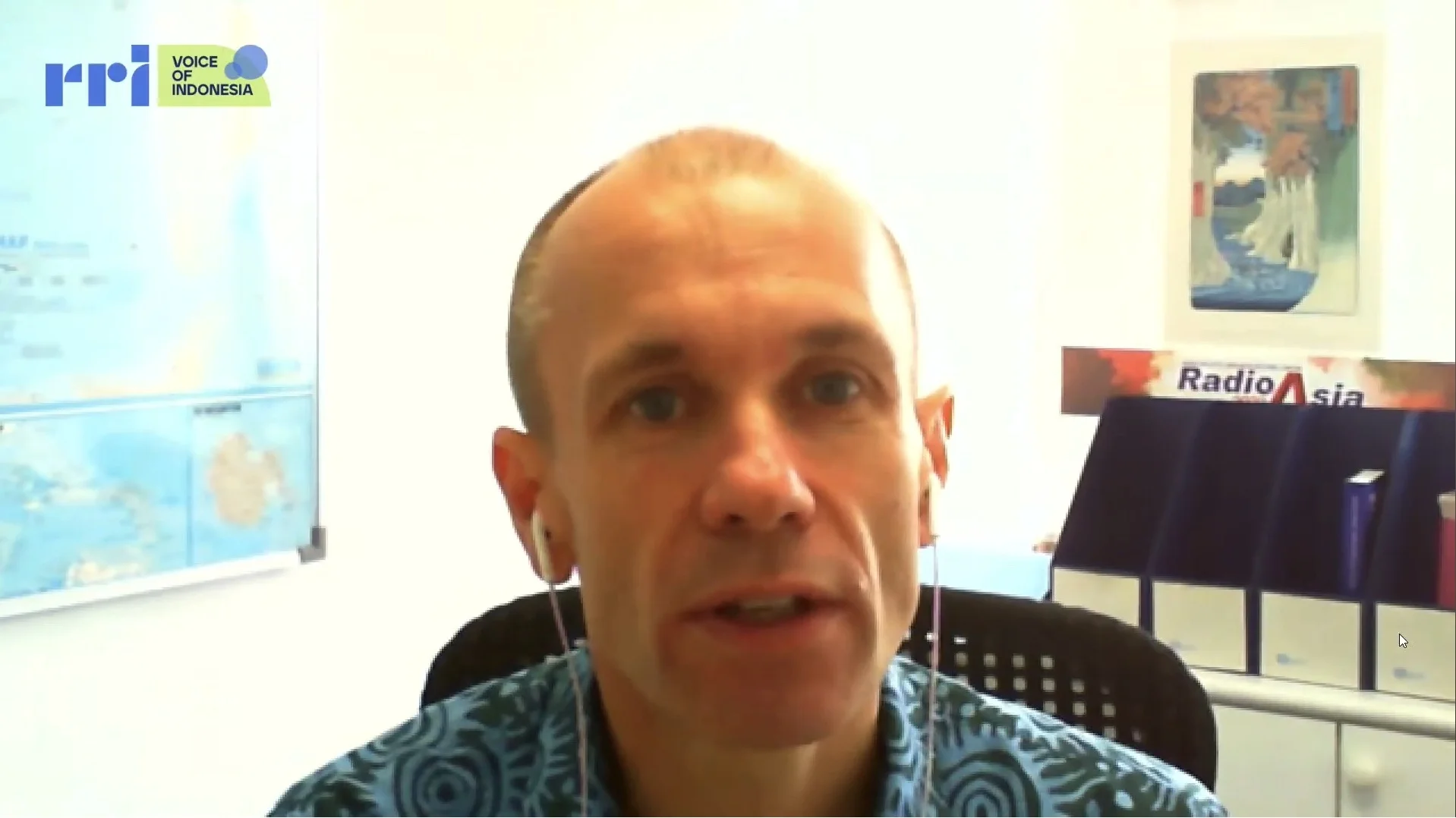
RRI.CO.ID, Jakarta – Radio is not dying but changing, according to the Director of Radio at the Asia-Pacific Broadcasting Union (ABU), Andrew Davies, as radio evolves alongside technology. Davies said radio’s future remains bright because people will continue valuing shared human connections and experiences through audio.
“While the technology may be changing, that human desire to have a shared connection, everybody listening to something, that shared experience of humanity, I think is still going to be very important in the future,” Davies said on VOI Talk on Thursday, September 10. He added that radio has moved from a single system into an ecosystem featuring podcasts, audiobooks, and AI-driven audio.
Davies said radio remains especially important for local communities and emergency coverage, including during volcanic eruptions and earthquakes. He described radio as the most resilient medium because television signals can be interrupted while radio continues operating.
Radio also delivers localized information about traffic, weather, and local developments, which Davies described as easy and inexpensive. He also talked about digital radio which is growing regionally, although reaching the distances covered by analog remains challenging in Indonesia.
Davies believes digital radio will continue growing as technology improves, particularly regarding coverage across large distances and regions. He highlighted signal stability as a major difference, explaining that digital radio avoids dropouts experienced with analog broadcasting.
“So the stability, meaning that it doesn't drop out. So if you are driving in a certain area, and you're further from the transmitter, then the signal will drop out with AM radio, particularly, or FM. And basically, digital means it has greater longevity,” Davies conveyed.
Nowadays, Davies said, radio now competes with streaming platforms, podcasts, and social media, requiring broadcasters to adapt across platforms. He suggested radio should be available through websites, smart televisions, cars, digital radio, and other emerging listening platforms.
Podcasts can complement radio through original online programs or edited radio shows made available for listening, Davies explained. He emphasized social media and visualized radio as ways audiences can respond in real time and become participants.
According to him, innovation is important, not only in technology, but also in content, to keep radio relevant and engaging for audiences. Looking ahead, Davies said broadcasters should combine technological and content innovation while understanding audiences and adapting to platforms.
News Recomendation
Memuat berita terbaru.....