



CIPS: Rice Price Hikes Require More Flexible Supply
- 06 Okt 2026 16:56 WIB
- Voice of Indonesia
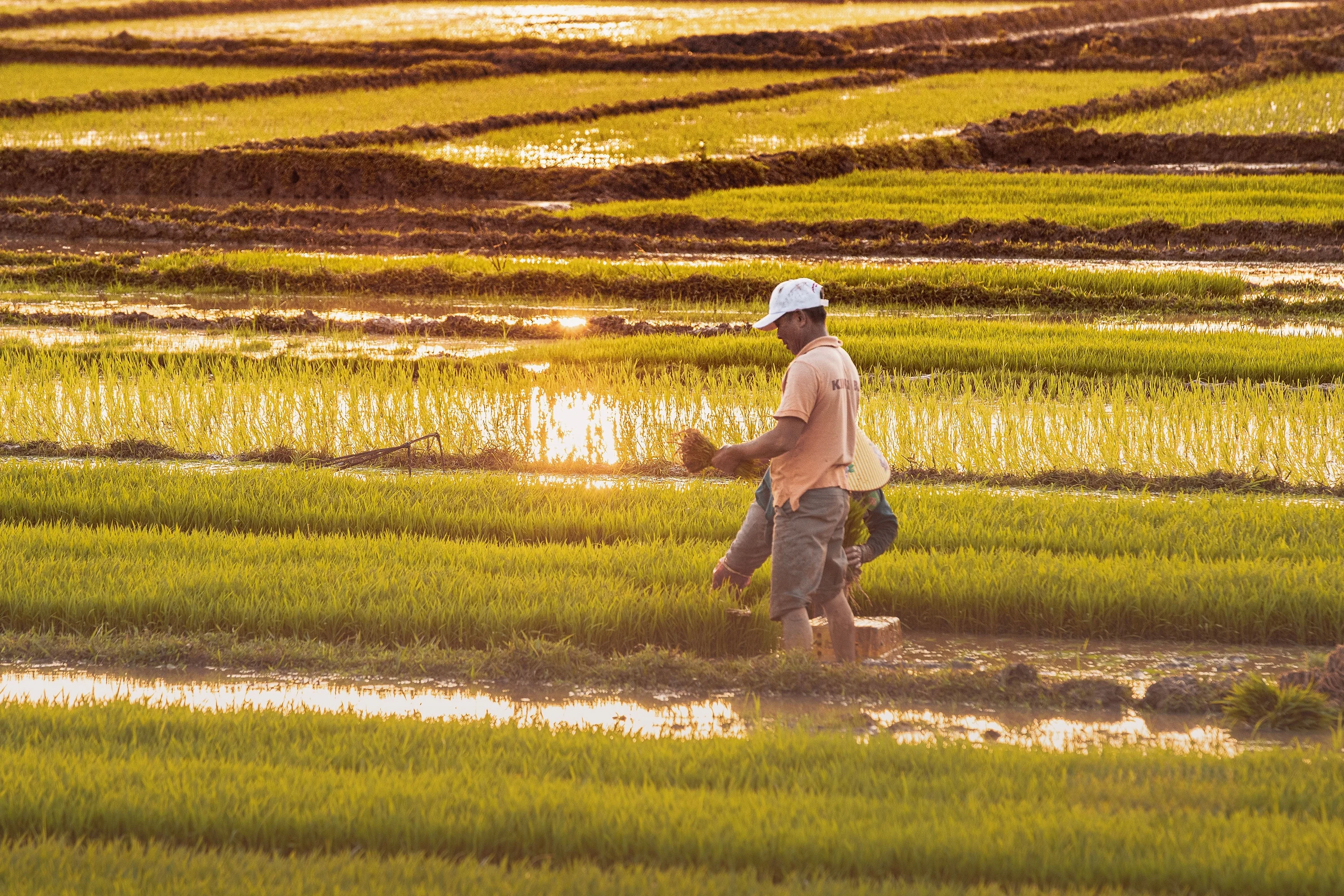
RRI.CO.ID, Jakarta – Rice prices rose again in September 2026 and continued to increase in early October. This indicates that maintaining adequate stocks alone is not enough to ensure rice remains affordable.
The Center for Indonesian Policy Studies (CIPS) said the government needs to make rice supply and distribution more flexible to respond to changes in production and market conditions. This is particularly important as domestic production faces climate-related pressures, including the risk of El Niño, which is expected to persist into early 2027.
“The increase in rice prices reported by Statistics Indonesia (BPS) should be viewed as an issue of supply and distribution flexibility. When production is under pressure due to climate conditions, pricing and distribution policies also need to adjust to changing market conditions,” Rahmad said, according to an official statement received in Jakarta on Tuesday, October 6, 2026.
Statistics Indonesia reported that the average price of rice at the milling level rose by 0.81 percent month-on-month and 6.04 percent year-on-year in September 2026. Prices also increased at the wholesale and retail levels, by 0.61 percent and 0.80 percent month-on-month, respectively.
In the first week of October, the national price of medium-quality rice rose by another 0.16 percent, while premium rice prices increased by 0.13 percent. Prices in several zones also remained above the government-mandated Highest Retail Price (HET).
CIPS said climate-related production pressures could further constrain supply and drive prices higher. The effectiveness of government policies is therefore also crucial in enabling the market to respond more quickly to changing conditions.
A 2023 CIPS study found that inflexible reference pricing policies, including the HET, can lag behind market dynamics and create obstacles to rice distribution. The government should therefore evaluate the HET to ensure it can adjust to changing costs and market conditions. At the same time, distribution under the Food Supply and Price Stabilization Program (SPHP) needs to be accelerated and directed toward areas experiencing price pressures.
“When domestic production is under pressure, the government needs to make room for additional supplies. Imports do not have to be the first response, but they should remain available as an option that can be used in a measured manner when domestic production is unable to meet market demand,” Rahmad said.
CIPS also cautions that high rice prices do not automatically improve farmers’ welfare. A 2025 CIPS study found that around 90.55 percent of rice farmers are net consumers of rice, meaning that rising food prices can actually erode their household purchasing power.
Farm protection should therefore focus on long-term resilience, particularly as climate risks increase. The government should strengthen farmers’ access to weather and climate information, financing, agricultural insurance, climate-smart farming practices, and technical assistance, including improved access to irrigation pumps.
“Food price stability needs to go hand in hand with farmer protection. The government can achieve this by ensuring market flexibility while also strengthening farmers’ resilience to production and climate pressures,” Rahmad said.
News Recomendation
Memuat berita terbaru.....