



Indonesia and France Boost Aviation Safety Oversight Cooperation
- 21 Sep 2026 15:44 WIB
- Voice of Indonesia
Poin Utama
- The Directorate General of Civil Aviation and France’s Direction Générale de l’Aviation Civil (DGAC) are strengthening technical cooperation to enhance Indonesia's aviation safety oversight capacity.
- The collaboration is entering the Continuous Oversight System phase, covering Specific Approvals, Low Visibility Operations, SMS assessments, risk assessments, and the State Safety Programme.
- Indonesia is preparing for the 2027 ICAO USOAP audit, with the strengthening of inspector competence and institutional capacity serving as key components.
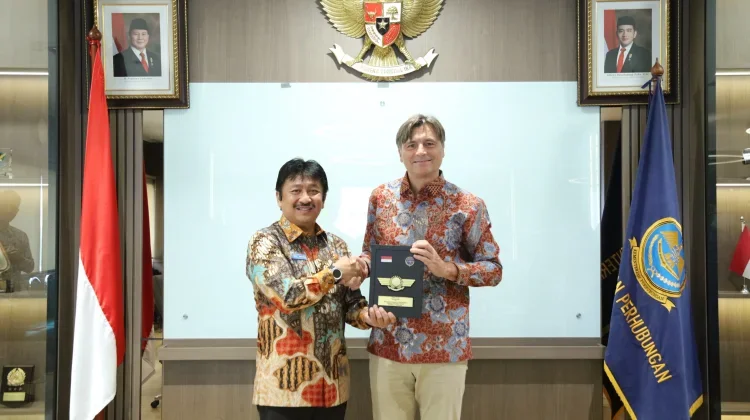
RRI.CO.ID, Jakarta - Indonesia’s Directorate General of Civil Aviation (DGCA) is deepening technical cooperation with France’s civil aviation authority to enhance safety oversight. The partnership has entered a new phase focused on building a Sustainable Oversight System.
DGCA Director General, Lukman F. Laisa, praised the commitment of France’s Direction Générale de l’Aviation Civile (DGAC), Airbus, and technical experts, saying their support is crucial to strengthening Indonesia’s aviation safety oversight capacity.
“The success of this technical cooperation is not measured by how many meetings, missions, workshops, or trainings have been held, but by how much it truly improves our safety oversight capacity, and how well we can sustain that improvement going forward,” said Lukman during the 11th Steering Committee Meeting between Indonesia’s DGCA and France’s DGAC in Jakarta on Wednesday, September 16, 2026.
Lukman noted that Indonesia–France civil aviation cooperation has been underway since 2019 under a Technical Cooperation Agreement, covering inspector competency development, standardization, and quality management strengthening.
Entering 2026, the collaboration is geared toward establishing a Sustainable Oversight System to reinforce aviation safety oversight. Indonesia is also preparing for the International Civil Aviation Organization (ICAO) Universal Safety Oversight Audit Programme (USOAP), expected in 2027.
He outlined priority areas being developed through the bilateral technical cooperation. These include Specific Approvals, Low Visibility Operations, Safety Management System (SMS) Assessment, Risk Assessment, and the Personnel Licensing Examination Process.
The development of a State Safety Programme is also part of the agenda to bolster Indonesia’s aviation safety oversight. Lukman stressed that technical activities must be implemented, tested, and evaluated directly within the DGCA’s institutional system.
“Through this cooperation, we hope both civil aviation authorities can continue to share experience and expertise, so our safety oversight capacity becomes more competent, standardized, risk-based, coordinated, and sustainable,” said Lukman.
Lukman also highlighted challenges such as resource constraints, inspector training, and coordination between directorates and technical units. He urged all units to strengthen coordination while ensuring that primary responsibility for safety oversight remains with Indonesia.
Long-term cooperation will also cover Safety Risk-Based Surveillance and further strengthening of the State Safety Programme. In addition, the government is pushing for a Competence-Based Training and Assessment framework for aviation inspectors.
DGAC France Asia Pacific Cooperation Director, Thibaut Lallemand, welcomed the constructive discussions and both sides’ commitment to the partnership. He pointed to progress in Specific Approvals, SMS Assessment, Risk Assessment, Personnel Licensing Examination Process, and the State Safety Programme.
“These activities are important because they directly contribute to strengthening Indonesia’s safety oversight capacity,” said Thibaut.
Thibaut emphasized that the 2027 ICAO USOAP audit is a key milestone in reinforcing Indonesia’s aviation safety system. He said international support should translate into knowledge and experience embedded as institutional capacity within the DGCA.
“Knowledge must become competency. Competency must become consistent working habits. And those consistent working habits will become lasting institutional capacity. That is the outcome we must achieve together,” he said.
Through the 11th Steering Committee Meeting, the DGCA reaffirmed its commitment to strengthening international partnerships in civil aviation, aimed at realizing an Indonesian aviation system that is safe, secure, reliable, and sustainable. (Annaila Azzahra-EN)
News Recomendation
Memuat berita terbaru.....