



Floriculture Exports Underscore Indonesia’s Biodiversity Potential
- 17 Sep 2026 20:14 WIB
- Voice of Indonesia
Poin Utama
- Indonesian Quarantine Agency (Barantin) recorded Indonesian floriculture products reaching 96 destination countries in 2026.
- Floriculture plays a key role in the green economy, the creative industry, innovation, job creation, and national export opportunities.
RRI.CO.ID, Tangerang - The Indonesian Quarantine Agency (Barantin) recorded that Indonesian floriculture products reached 96 destination countries in 2026.
Floriculture, covering the cultivation and marketing of flowering and ornamental plants, is considered to hold immense economic potential due to Indonesia’s rich biodiversity, which can generate added value and meet global market demand.
Barantin Head Abdul Kadir Karding said Indonesia’s plant wealth should be developed into economic strength for farmers, businesses, and the creative industry.
“We must transform the beauty of these plants into added value and competitiveness for Indonesia. Floriculture is vital to the green economy, the creative industry, innovation, job creation, and national export opportunities,” Karding said while opening the Floriculture Indonesia International (FLOII) Expo 2026 at ICE BSD, Tangerang, on Thursday, September 17, 2026.
He emphasized that collaboration among stakeholders is essential to developing Indonesia’s biodiversity into products that can compete in global markets.
As of September 14, 2026, the “Best Trust” quarantine system showed that various Indonesian floriculture commodities have entered international markets, including chrysanthemums (flowers and seedlings), Lilium seedlings, Saintpaulia seedlings, aquarium plants, and assorted ornamental plant seedlings.
From January 1 to September 14, 2026, floriculture exports reached IDR 3.51 trillion, with 59.6 million units shipped to 96 countries. In 2025, floriculture exports totaled IDR 4.42 trillion, with 93.9 million units shipped to 95 countries.
These figures demonstrate the wide market reach of Indonesian floriculture products. However, opening international markets requires more than producing plants with aesthetic and economic value. Commodities must also meet destination-country phytosanitary requirements to ensure smooth exports while preserving biodiversity.
Barantin plays a dual, complementary role by safeguarding biosecurity and facilitating agricultural commodity trade.
Quarantine oversight is essential to prevent the entry, exit, and spread of quarantine plant pests and diseases through the movement of plants and plant products. Meeting quarantine requirements is crucial for ensuring Indonesian floriculture products are accepted in destination markets.
Karding stressed that export success should not be measured solely by the volume of plants shipped. The trust that destination countries place in Indonesia’s systems and products must also be maintained.
“When Indonesian plants are shipped abroad, we are transporting more than just commodities. We are carrying our good name, our reputation, and the global market’s trust in Indonesia,” he said.
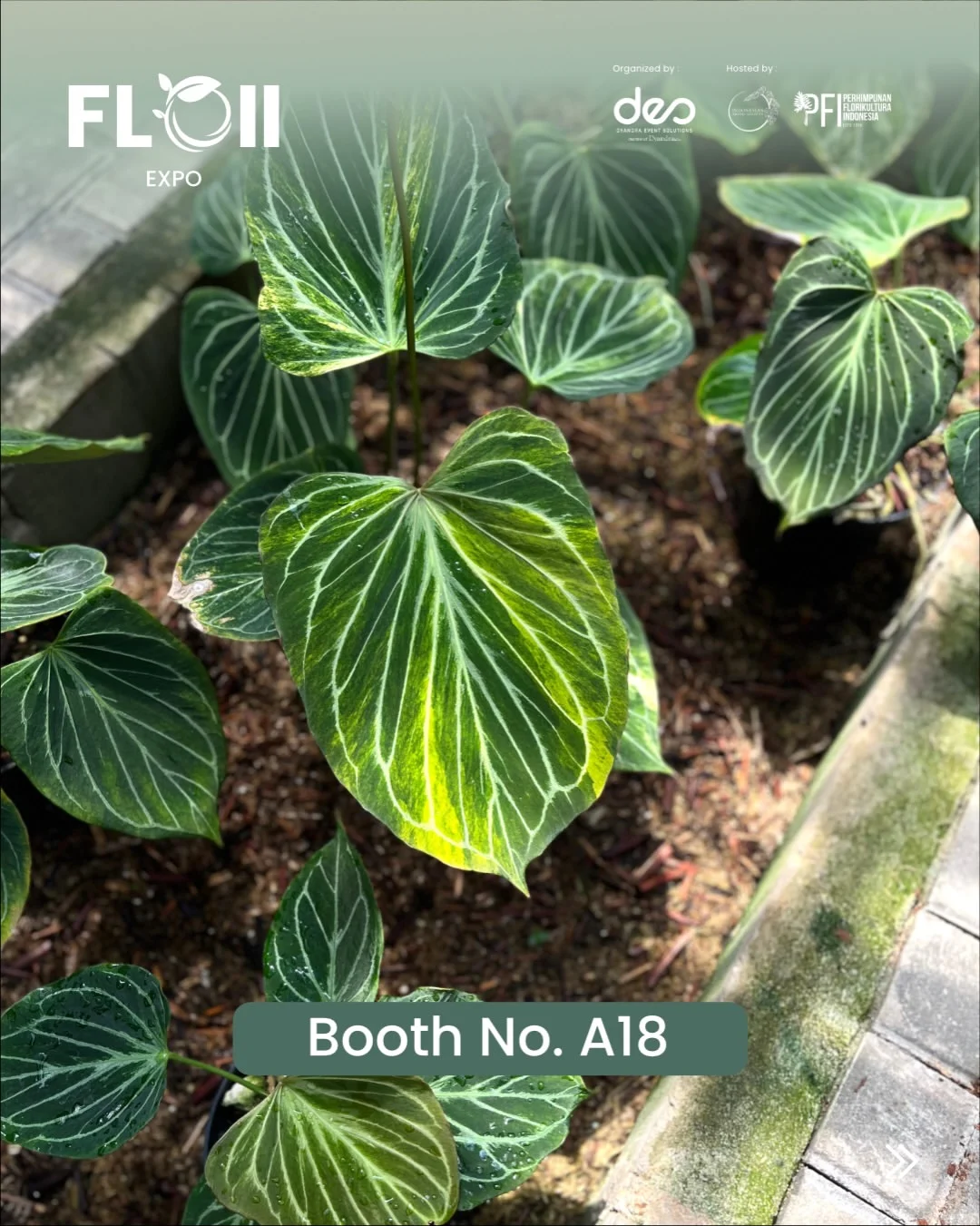
FLOII Steering Committee member Rustika Herlambang noted that the FLOII Expo showcases not only the beauty of plants but also the immense economic value of the ornamental plant industry. Among the collections drawing attention this year are Bucephalandra, aroids, and Monstera varieties, all of which are unique and highly valued.
“The presence of these plants demonstrates that genetic creativity, diligent cultivation, and aesthetic excellence can drive extraordinary value creation within the floriculture industry. We can admire their beauty knowing that each plant is truly one‑of‑a‑kind—there is simply no other like it,” she said. (Misni Parjiati)
News Recomendation
Memuat berita terbaru.....